dailynewsnblog
Unlock the Editor’s Digest for free
Roula Khalaf, Editor of the FT, selects her favourite stories in this weekly newsletter.
Will Europe’s carbon pricing strategy be the next victim of the Great Global Greenlash? The price of being allowed to spew out a tonne of carbon dioxide under the emissions trading system, or ETS, has fallen almost a quarter since the middle of January; German Chancellor Friedrich Merz has raised the idea of revising the system.

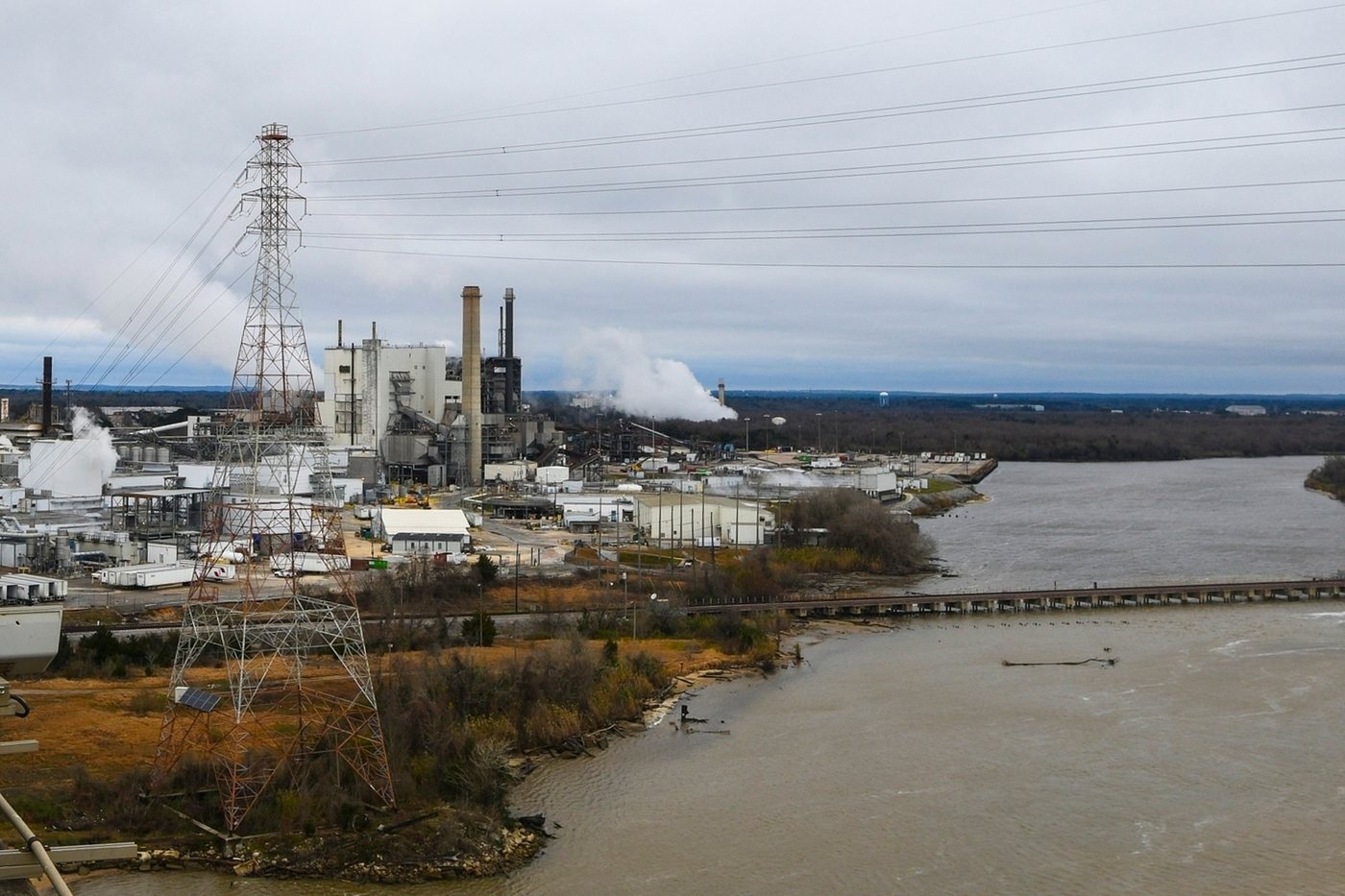
Europe faces a difficult predicament. The ETS has mostly been a success. It has nudged the electricity sector away from coal and towards renewables and, depending on where one stands, the additional cost has at least been bearable. But the next phase, which will target the decarbonisation of industry by phasing out allowances given to makers of products such as steel and cement, is harder to pull off.
For one thing, making green steel or green cement is much more costly than making the ordinary kind. Companies would only want to do it if the price of carbon rose to perhaps €100-€200 per tonne, up from the current €70, thus making non-green alternatives more expensive. This could be a heavy burden for companies already weathering competitive difficulties.
Secondly, it is hard to make the argument that, for industrial decarbonisation, there is any sort of early mover advantage. Unlike the price of solar panels, the cost of making green steel or green cement is not going to collapse, no matter how many plants are built. There will be some sort of learning curve but, broadly speaking, those that start first simply bear the cost for longer.
European companies are supposed to get some protection from carbon taxes through the carbon border adjustment mechanism, a playing-field-levelling charge based on carbon content that is levied on goods made outside the EU. But it will always be near impossible to estimate how much CO₂ went into producing a Chinese washing machine, for instance. And it doesn’t much help European exporters.
Ahead of a planned revision of the ETS system, there are lots of ideas doing the rounds, including measures to keep ETS prices at palatable levels and to subsidise specific technologies directly. It isn’t hard to see Europe turning to a hodgepodge of policy tweaks designed to slow the pace of the green transition and spread its costs more widely.
If Europe wants to keep its carbon-taxing agenda intact, there is also a more robust option: impose a much heftier carbon levy at Europe’s borders, calculated bluntly if need be, and give exporters refunds of their carbon payments. That would sound a lot like protectionism and may thus be a bridge too far for Europe’s policymakers. Still, it’s hard to argue it wouldn’t be in tune with the global zeitgeist.
camilla.palladino@ft.com