dailynewsnblog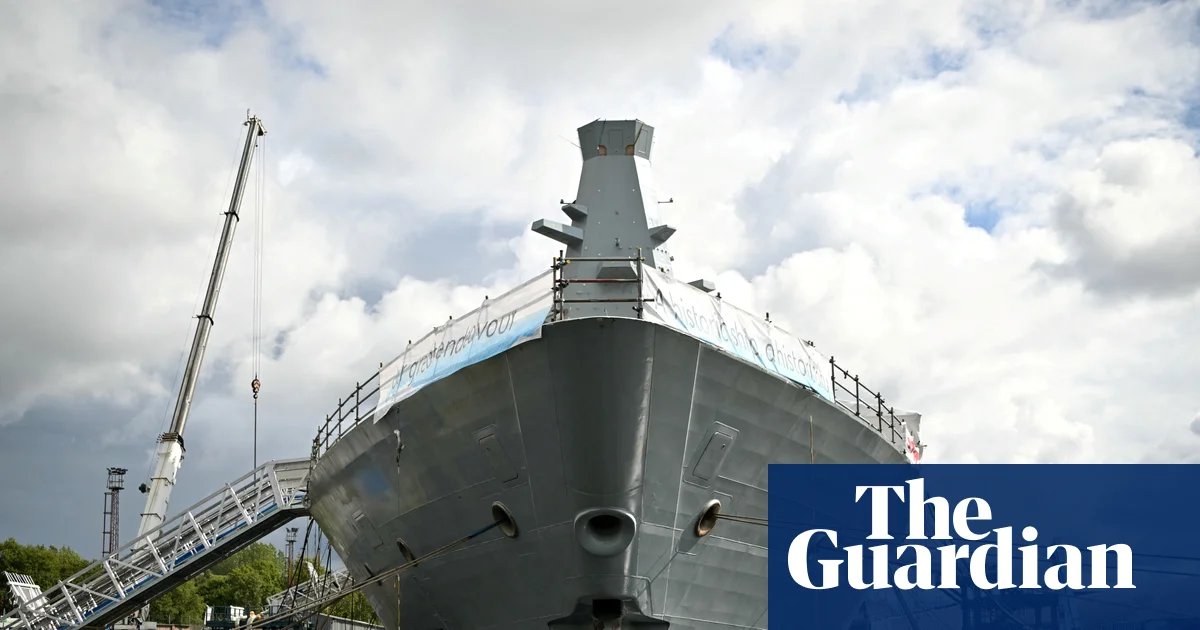
The boss of Britain’s biggest defence company has urged ministers to publish a long-delayed blueprint for military spending as soon as possible, as it posted record sales driven by a global increase in demand after Russia’s full-scale invasion of Ukraine.
Charles Woodburn, the chief executive of BAE Systems, said companies want clarity on how the money would be spent, adding that the defence investment plan (DIP) – due in late 2025 – was holding back investment.
“We were expecting it before the end of last year and from an industry perspective we’re all keen to crack on,” he said on Wednesday. “The sooner the better as far as we’re concerned.
“Earlier clarity means that industry can make plans and invest, deploy our strong balance sheets … so looking for clarity is important for business. We’re keen that we see the publication of [the DIP] as soon as possible.”
BAE has reported its best ever financial results, with annual sales topping £30bn for the first time, up 10% on the previous year. BAE’s shares rose 3.8% on the results, helping push the FTSE 100 to a record high.
BAE makes weapons ranging across tanks, planes and warships, as well as missiles and artillery. The company’s order backlog – the value of work already secured – hit a record £83.6bn, reflecting surging demand across Nato allies.
“It’s hard to escape the sense that the brutal conflict in Ukraine has fast-tracked more than a decade’s worth of defence technology evolution into just a few years,” Woodburn said, adding that the period had ushered in an “unprecedented pace of technological change”.
Keir Starmer argued at the Munich Security Conference last weekend for higher and more sustained defence spending to meet the threat from Russia, and is reportedly considering accelerating plans to spend 3% of GDP on defence.
“We must build our hard power because that is the currency of our age,” Starmer said. “We must spend more, deliver more and coordinate more.”
Asked whether British industry could meet the rising demand, Woodburn said he was confident it could, but that the government needed to give more clarity on spending commitments.
He said: “We just need a clear signal and a clear steer of what’s required. The way we’ve stepped up in recent years I think is a good indication that the industry can deliver when we’re given a clear outlook.”
Among its new business in the last year, BAE won a contract from Turkey for 20 Typhoon fighter jets, expected to be worth £4.6bn, as well as an order from Norway for Type 26 frigates.
The results came in ahead of analyst expectations, with profits forecast to rise by up to 11% in the coming year. The company raised its dividend and took in £36.8bn of new orders during the year, winning significantly more work than it delivered.
BAE’s shares have risen sharply this year, valuing the company at more than £60bn, as investors bet on a sustained increase in defence budgets across Europe and beyond.