dailynewsnblog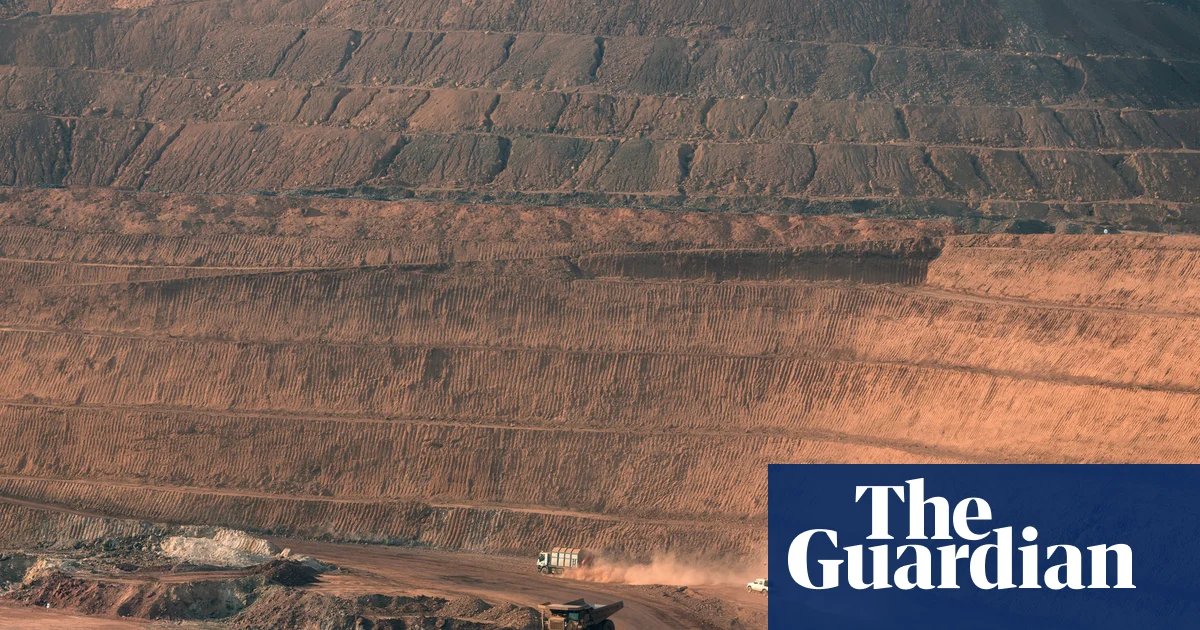
Glencore is to give $2bn (£1.47bn) to shareholders after a turbulent year in which profits slumped and talks collapsed over a blockbuster $260bn merger with the fellow mining company Rio Tinto.
The FTSE 100 company announced the payout on Wednesday despite reporting that annual profits slipped 6% on the previous year to $13.5bn.
It comes weeks after talks over what would have been the largest deal in mining history collapsed, leaving the Swiss-headquartered commodities company to press ahead with a plan to more than double its copper production over the next decade.
Rising metals prices and an increase in copper output in the second half of the year were not enough to make up for a bruising fall in coal and energy commodity prices, which pulled earnings down. Glencore, which was established in 1974 as a trading company, has operations in more than 30 countries and a workforce of about 140,000.
The idea of combining Rio and Glencore has been repeatedly floated over the past two decades and was raised the first time just before the global financial crisis in 2008. Rio rejected Glencore’s merger approach in 2014, while another round of talks in 2024 also came to nothing.
The most recent attempts followed the $53bn deal between Anglo American and the Canadian rival Teck last September, which brought two of the world’s largest copper producers together.
Despite the failed deal, Gary Nagle, Glencore’s chief executive, said last year brought “significant progress” and pointed to “clear momentum for our copper-led growth strategy”.
Copper has become central to Glencore’s future, with the metal increasingly in demand as the world builds out electric vehicles, renewable energy infrastructure and power grids. The company is targeting production of more than 1m tonnes of copper a year by the end of 2028, rising to 1.6m tonnes by 2035, which would make it one of the world’s largest producers.
Glencore is the world’s sixth-largest copper producer and the largest listed coal producer. Nagle justified the payout to investors by pointing to Glencore’s $4bn stake in Bunge, a US agricultural trader it received when Bunge merged with Glencore’s Viterra grain business last year, which he described as surplus capital being set aside for shareholders.
Glencore has long been one of the world’s biggest coal traders, a business that has attracted criticism from climate campaigners but which the company argues is needed to keep the lights on in developing economies.
In 2024 it scrapped plans to spin off its coal business after shareholders urged the commodities company to hold on to the highly profitable but heavily polluting division.