dailynewsnblog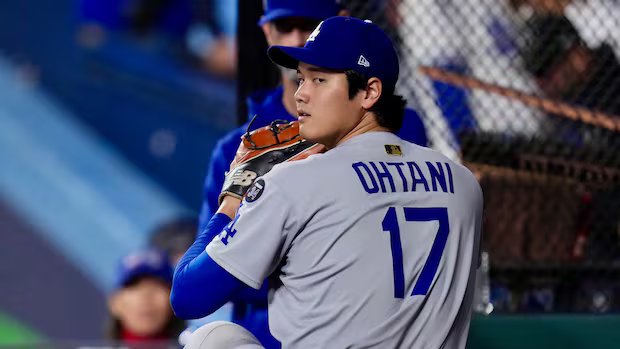
How would you like to have a one-on-one friendship with your favourite professional baseball player? A California-based tech company is pitching exactly that — by building AI avatars of every Major League Baseball star.
The AI firm Genies recently signed an intellectual property deal with MLB Players Inc. — the business arm of the Major League Baseball Players Association — to create a cartoon-like “companion” version of every player on the league’s roster.
Once the product officially launches, baseball fans will supposedly be able to hold a conversation with the avatars on the Genies website, where they can ask a player to explain a gametime decision or chat about a home run that happened 10 seconds earlier.
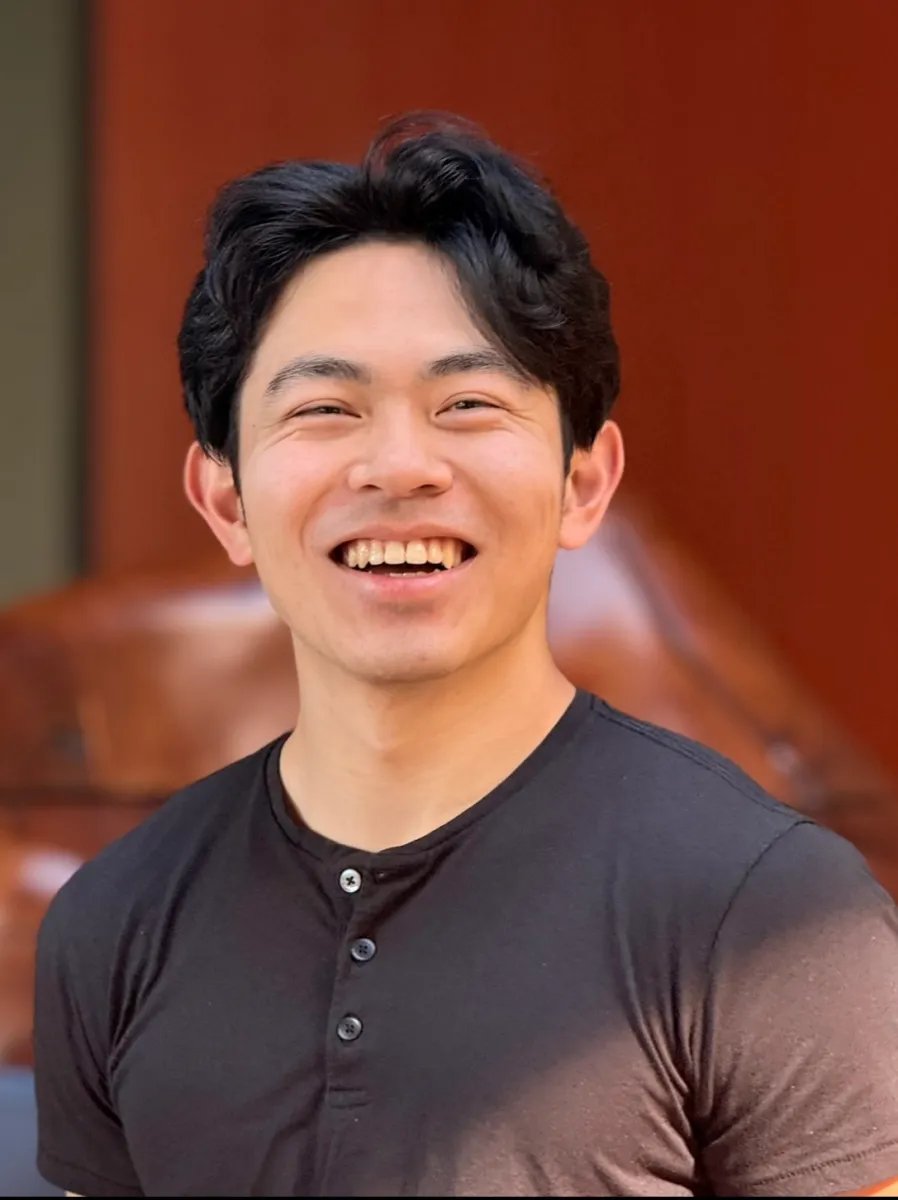
“This isn’t actually Shohei Ohtani,” said Akash Nigam, the CEO and founder of Genies, in an interview with CBC News. “This is his Genie, and his Genie happens to know everything about him. And it’s kind of like his little sidekick that you can get to know.”
The project illustrates how the fan-celebrity relationship is evolving in step with advancements in artificial intelligence, especially as companies look for opportunities to capitalize on intellectual property through valuable licensing agreements.
Front Burner21:47Will AI agents take over the workplace?
The deal between Genies and MLB Players. Inc is a catch-all, meaning it includes every single player in the MLB. Trading card deals and partnerships with sports-related video games are also structured as blanket agreements, according to one lawyer.
“It would be really inefficient to have to go and turn around to every athlete and start to negotiate to allow them to be on a trading card,” said Dave Stern, partner and head of the sports and entertainment law group at Blaney McMurtry LLP in Toronto.
If a player is going to be depicted in a video game or as an avatar no matter what, some might choose to be actively involved in shaping the rendering, noted Stern, so that they’re “meaningfully consulted” throughout the process and can maintain some control over their image.
That doesn’t mean every MLB player will be happy with a deal like this.
“We don’t know how [the avatars] are going to interact, and some players might exercise certain rights and might protest a deal like this and their involvement through MLB Players Inc.”
The ups and downs of parasocial relationships
Rather than building the “brain” behind artificial intelligence — Genies runs its technology on large language models from OpenAI, ElevenLabs and Google — the company’s mission is to give AI a “face” and deepen one-on-one relationships between celebrities and their fans, according to Nigam.
“Typically, a relationship between an artist or an athlete and their fan base is either through their music, their games or on social media. And the problem is that it’s a one-to-many relationship,” he said.

For people with strong boundaries, having a one-sided relationship with a celebrity isn’t necessarily negative, said Lynn Zubernis, a clinical psychologist and professor at West Chester University in Philadelphia who researches the psychology of fandom.
“If you’re a Taylor Swift fan and Taylor Swift is killing it out there, you feel really good, too, even though you’re not the one that’s out there. Similar with football teams,” she explained.
The downside is that some fans find it difficult to remain self-aware and to manage expectations within those supposed relationships. That risk is somewhat mitigated with cartoon-like avatars, said Zubernis, but that doesn’t mean there isn’t one at all.
“It’s analogous to the phenomenon that happens in the real world when — if someone is a fan of a rock star and can’t get to the rock star — they often vicariously feel close to the rock star by being involved with their accountant or their manager or their bass player.”
The avatars will exist, at least for now, solely on the Genies website, where users will be able to chat with them. They’ll have text and voice functions, and an ability to recall details of past conversations — the more a user talks to a bot, the more the bot will learn about them, as Nigam put it.
Tech will be ‘conservative’ to start
While Genies has so far signed nine other licensing deals across entertainment and sports — none of which have been announced yet — the MLB deal is “probably one of the most limited in nature,” said Nigam, adding that he doesn’t want the characters to “go rogue.”
“These are conservative to start,” he explained, saying that the company has invested heavily in security and moderation, working with information security experts to pressure-test the product and ensure that the characters stick to a script.
The company will be soliciting feedback from players who want more involvement in the process, Nigam added. “If a player personally wants to lean in and make it expansive based on their own prerogative, they can do that. But at least we’re going to be releasing very safe, baseline, accurate characters.”
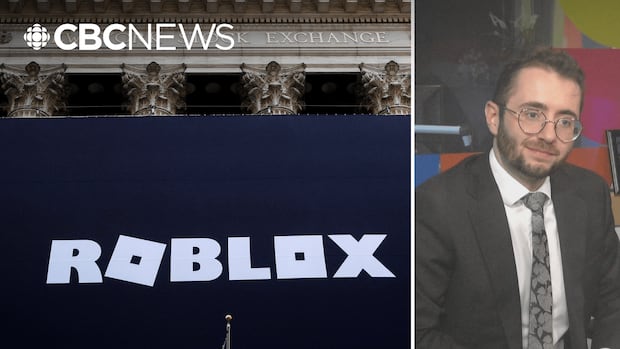
A 12-year-old child in B.C. has taken megahit online game platform Roblox to court, alleging that its design is exploitative and leading to addictive behaviour. Lawyer Justin Giovannetti helped with the lawsuit. He says the case looks at whether Roblox is legally responsible for the harms caused if people are addicted to their product.
The company is marketing the MLB avatars to kids and teens, particularly those who play games like Roblox and Fortnite or chat on platforms like Discord.
Each of those sites has been the target of lawsuits skewering them for weak moderation and privacy violations. Some parents claim the sites have put their kids in contact with predatory adults or made it easy for them to access inappropriate content. Efforts to tighten safety controls haven’t exactly gone off without a hitch, either.
“I can’t promise 100 per cent of edge cases have been accounted for,” said Nigam, referring to unexpected extremes that happen outside the parameters of an AI bot’s design.
“There [are] unknowns, of course. But the major ones — 100 per cent. And we’re just gonna get better over time.”