dailynewsnblog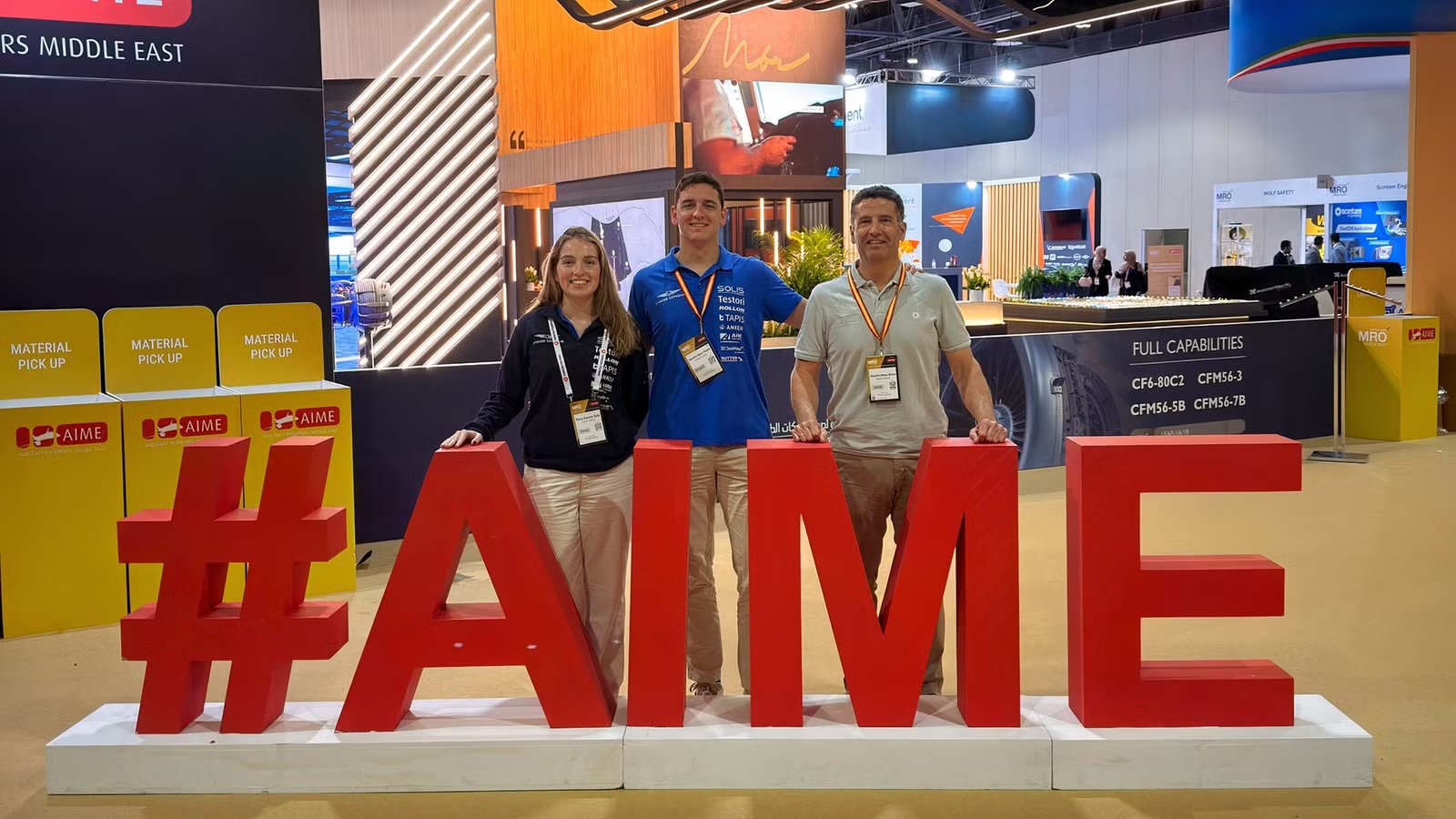
Aircraft interiors are undergoing one of the most significant transformations since the introduction of lie-flat seats and inflight entertainment. The commercial aviation industry is rethinking not only how cabins look, but also how they function, feel, and support both passengers and crew. Aircraft Interiors Middle East (AIME) 2026 arrives at a crucial time and invites airlines, manufacturers, and designers from the region to get together, providing the perfect opportunity for ideas to move from concept to reality.
Having visited AIME 2026 myself, I invite you to explore with me what has made the event so decisive for the Middle East region and the aviation industry, and to start pointing towards the trends and technologies the next generation of cabins will lean towards.
The Growing Significance Of Aircraft Interiors In Commercial Aviation

Aircraft interiors and cabins have progressed from being a secondary concern to a core strategic differentiator between airlines. As many of us have experienced in recent years, the cabin and interiors strongly affect passenger satisfaction, brand perception, operational efficiency, and can even influence aircraft economics.
Over the last few years, airlines have faced many challenges, including the rise in fuel costs, and how the growing and intense competition has also influenced and shifted passenger expectations — with, for example, the unexpected rise of low cost carriers (LCCs) and their unbeatable low prices to take you from A to B, with the bare minimum experience and sometimes an unexpected hiccup in the process… This has led airlines to rethink and reshape their core business strategies. If you want to go from A to B on a budget, an LCC is your best option. However, there’s a point (and, more substantially, an age) in the life of most passengers and frequent flyers at which being treated like cattle and experiencing unexpected hiccups becomes less of an adventure and more of an unnecessary point of friction. And here is where legacy, flag carriers, and boutique airlines step in.
I believe a clear example of this is the Middle East and the Asia-Pacific region, where many airlines (and the new ones that will soon enter service) are working hard to make their brand perception and cabin interiors as unique and outstanding as possible. For these reasons, cabin design has expanded beyond aesthetics. It now takes into account multiple factors such as optimizing space, improving comfort, reducing weight when possible, and encouraging flexible configurations that can adapt to the always-evolving passenger markets and traffic. AIME 2026 has reflected this change in the industry by placing interiors at the center of innovation rather than the periphery.
From seating architecture to lighting, innovative materials, and digital integration, the cabin has become a key challenge for airlines. The Middle East, with its global hub airlines and long-haul networks, has a particularly influential role in determining these developments, making AIME a leading expo for the entire industry.
What Makes Aircraft Interiors Middle East Unique

AIME goes far beyond being a regional trade show; it has become a strategic meeting place for OEMs, Tier 1 suppliers, start-ups (such as my own), airlines, and regulators. Unlike larger global expos or shows where cabin interiors may be overshadowed by other important areas of the aviation industry, such as airframes and engines, AIME maintains focus on the passenger experience, innovative products, and cabin systems while being co-located with another important show in the region called the MRO (Maintenance, Repair & Overhaul) Middle East.
The 2026 edition of AIME displayed a convergence of ideas that have been under development in parallel: modular cabins, passenger-centric design, sustainability-driven material choices, and digital-first development processes. Exhibitors at the show are more frequently showing mock-ups of their products, immersive VR experiences, and certified or certification-ready concepts, rather than solely conceptual designs and ideas.
What also sets AIME apart and makes it a unique event in the region is its proximity to decision-makers at leading companies in the industry. You can walk down one of the many aisles of the show and meet face to face with key decision makers and high-ranking executives of the world’s most premium airlines, such as  Emirates, Gulf Air,
  Etihad Airways or
  Riyadh Air. Cabin programs and designs are long-term investments for airlines and manufacturers, and many of the discussions that start on the show floor can directly influence specification choices for the future widebody and narrowbody fleets we will see come to life in the coming years.
Seating Innovations: Beyond Incremental Comfort Improvements

The reason I founded my start-up is that aircraft seating remains the most visible and commercially impactful element of the cabin — or, as I like to say, aircraft seats are the main passenger touchpoint throughout the whole flight experience and the one that defines a passenger’s perception of an airline the most. Luckily, AIME 2026 has showcased concepts that go far beyond, including additional padding or cosmetic and aesthetic upgrades. Cabin designers are increasingly rethinking and reevaluating seat architecture as we know it, questioning how seats attach to the aircraft, how loads are distributed, and how personal space is defined. It was great to see seat manufacturers such as Jiatai, Aviointeriors, Geven, TCI, and Collins attend the event and showcase their latest and upcoming products.
One major trend that has emerged recently is the shift toward integrated seat systems, in which seats interact more closely with the surrounding cabin architecture to influence passenger perception. This can include shared structural elements, new approaches to privacy, and disruptive configurations that challenge traditional seat rows altogether. These groundbreaking innovations hope for better comfort and increased flexibility, but go further by raising questions around certification, maintenance, and retrofit feasibility.
Another key development that is influencing the industry is adaptability. Airlines are pursuing cabins that can evolve and adapt over an aircraft’s lifespan, allowing adjustments to density, service levels, or even the cabin class mix without retrofits that require major downtime. Seating concepts showcased during AIME 2026 have reflected this demand, offering modular components and reconfigurable layouts. A great example of innovative seats showcased this year was the Jiatai JT220B Business Class Seats for single-aisle narrowbody aircraft, featuring an impressive, unexpected zero-gravity reclining option, multiple and smart storage spaces, and larger-than-usual privacy wings.
Rethinking Cabin Architecture And Layouts

Cabin architecture is shifting from an old-fashioned rows-and-aisles mindset to a more fluid, disruptive approach to cabin space. This change is especially visible and relevant for widebody aircraft, where long-haul comfort and premium differentiation between airlines are critical. Some airlines have already played with unsual passenger-focused spaces in the past — such as Emirates and Qatar with their “bars in the sky” — and one of the topics discussed this year at the show was the appearance of new areas in the cabin for wellness and socializing, such as for example the Qantas Wellbeing Zone — a dedicated inflight space created to help passengers move, stretch, hydrate and refresh during very long flights of up to 22 hours from Sydney to London or New York.

Qantas To Take 1st Airbus A350-1000 Next Year & Start Project Sunrise Flights In 2027
Qantas CEO Vanessa Hudson spoke to a handful of media outlets, including Simple Flying, at the Airbus Summit 2025 in Toulouse this week.
It’s important to highlight that these shifts in cabin architecture are not purely driven by design. The innovative concepts we are seeing are closely connected to structural considerations, evacuation requirements, and operational realities. Exhibitors at events such as AIME are increasingly presenting their concepts alongside explanations of the roadmap to certification and integration into existing aircraft platforms, which is always helpful for airlines when making a decision.
Sustainability As A Design Driver, Not A Constraint

Another trend I have noticed in the industry is that sustainability has shifted from being a marketing checkbox used for “greenwashing”, to a fundamental part of design in cabin interiors. At AIME 2026, sustainable cabin solutions have been presented as performance improvements rather than compromises, which is really exciting. This means sustainability is becoming a core factor in designing new cabin parts, seats, materials, and pieces, and is now positively affecting weight reduction — and therefore fuel savings — as well as the recyclability and upcycling of materials.
Lightweight materials, recycled composites, bio-based textiles, and low-impact manufacturing processes are rapidly growing and becoming increasingly common across cabin design elements and components. Weight reduction directly lowers fuel burn, while improved durability reduces lifecycle costs and waste. A large number of aircraft interiors exhibitors focused on highlighting the complete environmental footprint of their products, from sourcing and manufacturing through end of life.
Something worth mentioning and thinking about is how sustainability influences aesthetics and passenger perception. Natural textures, softer color palettes, and visible material honesty are becoming indicators of modern cabin design, indirectly reinforcing an airline’s environmental position, customer perception, and narrative.
Digital Design, Certification, and Virtual Development

One of the most noticeable trends presented at AIME 2026 is how cabin interiors are developed, tested, and certified. Digital tools are now allowing designers and engineers the ability to simulate passenger interactions and movements, structural loads and engineering, and even visualize emergency evacuation scenarios before having any physical prototypes.
Virtual and mixed realities are now commonly used to evaluate and test ergonomics, accessibility, service flow, and maintenance and repairs. Furthermore, these tools are now also helping airlines and OEMs spot issues early, helping avoid late-stage changes with high costs. In my experience, I have seen that for start-ups and innovators, these digital developments level the playing field by providing easy access to credible, data-backed concepts without the massive, and sometimes restrictive, investment required to showcase early prototypes and MVPs (Minimum Viable Products).
Certification continues to be (arguably) the biggest challenge for disruptive cabin interiors, but these digital developments and credible data are increasingly playing a role in compliance strategies. During AIME, it was noticeable that discussions about digital certification pathways have become as important as the designs themselves for validating concepts.
The Role of the Middle East In Shaping Cabin Futures
The Middle East continues to exert a strong influence on global cabin design trends. Hub-and-spoke operations, ultra-long-haul routes, and premium-focused business models ensure that the region is now a real-life testbed for innovation.
Airlines based in this region are often launch customers for new cabin products, which in turn push suppliers and designers to deliver higher standards of comfort, reliability, and visual impact. AIME 2026 was proof of this, as many exhibitors clearly tailored their product offerings to meet the expectations and tastes of Middle Eastern carriers, whilst maintaining options for global applicability. The regional influence that we are seeing in the Middle East has also accelerated innovation cycles for companies in the industry. Product and design concepts that are interesting and gain traction at AIME often appear soon after in airlines’ international programs, making this event a valuable and accurate way to preview what passengers worldwide will experience years later.
The Aircraft Interiors Middle East trade show continues to mark a pivotal shift in commercial aviation and is likely a good indicator of what will happen at later aviation events, such as the Aircraft Interiors Expo 2026, from April 14-16 in Hamburg, Germany. It is becoming clear that cabin design has evolved from a secondary aesthetic concern into a core strategic differentiator focused on brand identity and operational efficiency. This event showcased a move toward modular, passenger-centric architectures, featuring innovations like “zero-gravity” narrowbody seating solutions, dedicated wellness zones for ultra-long-haul flights, and the integration of sustainable, lightweight materials that prioritize fuel savings over “greenwashing.” By leveraging digital twins and VR to streamline the rigorous certification process, the industry is also transitioning from conceptual ideas to reality, ensuring that next-generation cabins are not only more comfortable and private but also more adaptable to the shifting economic and environmental demands of global travel.
In general, I would say that these are all great news for all of us — the desperate passengers — who have been starving for cabin innovations that actually benefit the passenger experience, and we have to hope that some of the innovations showcased at shows like this, one day, see the light of day and enter commercial operations.

![Historic: Air Canada Launches 1st Flights On These 2 New Transatlantic Routes [Map]](https://dailynewsnblog.com/wp-content/uploads/2026/06/air-canada-boeing-787-8-taxiing.jpg)