dailynewsnblog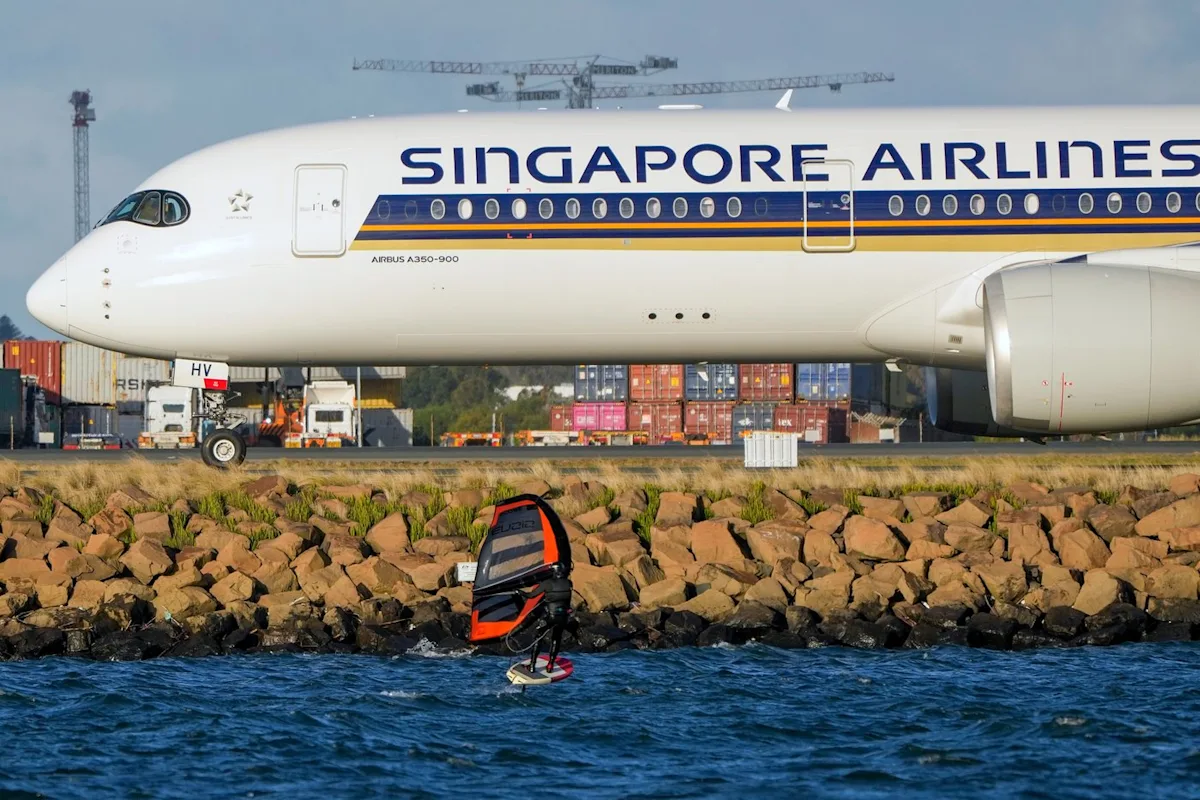
SINGAPORE, Singapore (AP) — Flying in and out of Singapore, home to Southeast Asia’s busiest airport, will get slightly more expensive this year as the city state begins imposing a levy of between 75 cents to $32 per ticket to fund sustainable aviation fuel.
The tax will support Singapore’s growing use of the cleaner burning fuel, which is often made from used cooking oil or agricultural waste. The global aviation industry is encouraging its use as it tries to slash rising emissions that contribute to climate change without altering current aircraft.
Southeast Asia is poised to become a hub for global production of sustainable aviation fuel, or SAF, as new facilities and policies launch across the region, while environmental backpedaling in the United States under President Donald Trump creates an opening in global fuel production.
Singapore has the region’s largest SAF plant and is beginning construction of a next-generation facility this year, with set agreements to supply fuel to major carriers like JetBlue and Singapore Airlines. Thailand launched a brand-new SAF plant in Bangkok in 2025. Malaysia and Vietnam hit domestic production milestones last year and Indonesia, like Singapore, recently announced plans to expand current operations.
The industry is just getting started, said Tat Chuan Goh, with Aether Fuels, the Chicago-based fuel development company building Singapore’s new plant. “But we do sense the momentum is clearly building up,” he said.
Singapore sets its new levy
Singapore’s levy will affect flights departing after Oct. 1 and sold after April 1 from Changi International Airport, which handled a record 70 million passengers last year.
Passengers will pay a surcharge based on their trips’ distance and cabin. The lowest levy of 1 Singapore dollar (about 75 U.S. cents) will apply to economy flights within Southeast Asia. Those traveling in premium cabin flights to the Americas will pay the most, 41.60 Singapore dollars (about $32).
For cargo, the levy is based on distance travelled and weight. To ensure transparency, the tax will be shown on tickets and air cargo contracts.
Daniel Ng, chief sustainability officer at the Civil Aviation Authority of Singapore, said the levy will allow “all aviation users to do their part to contribute to sustainability at a cost which is manageable for the air hub.”
Southeast Asia’s fuel industry grows
With Southeast Asia’s abundant access to fuel ingredients, like agricultural and forest waste, the region is sitting on a “pot of gold that can really be scaled up,” said Goh with Aether Fuels.