dailynewsnblog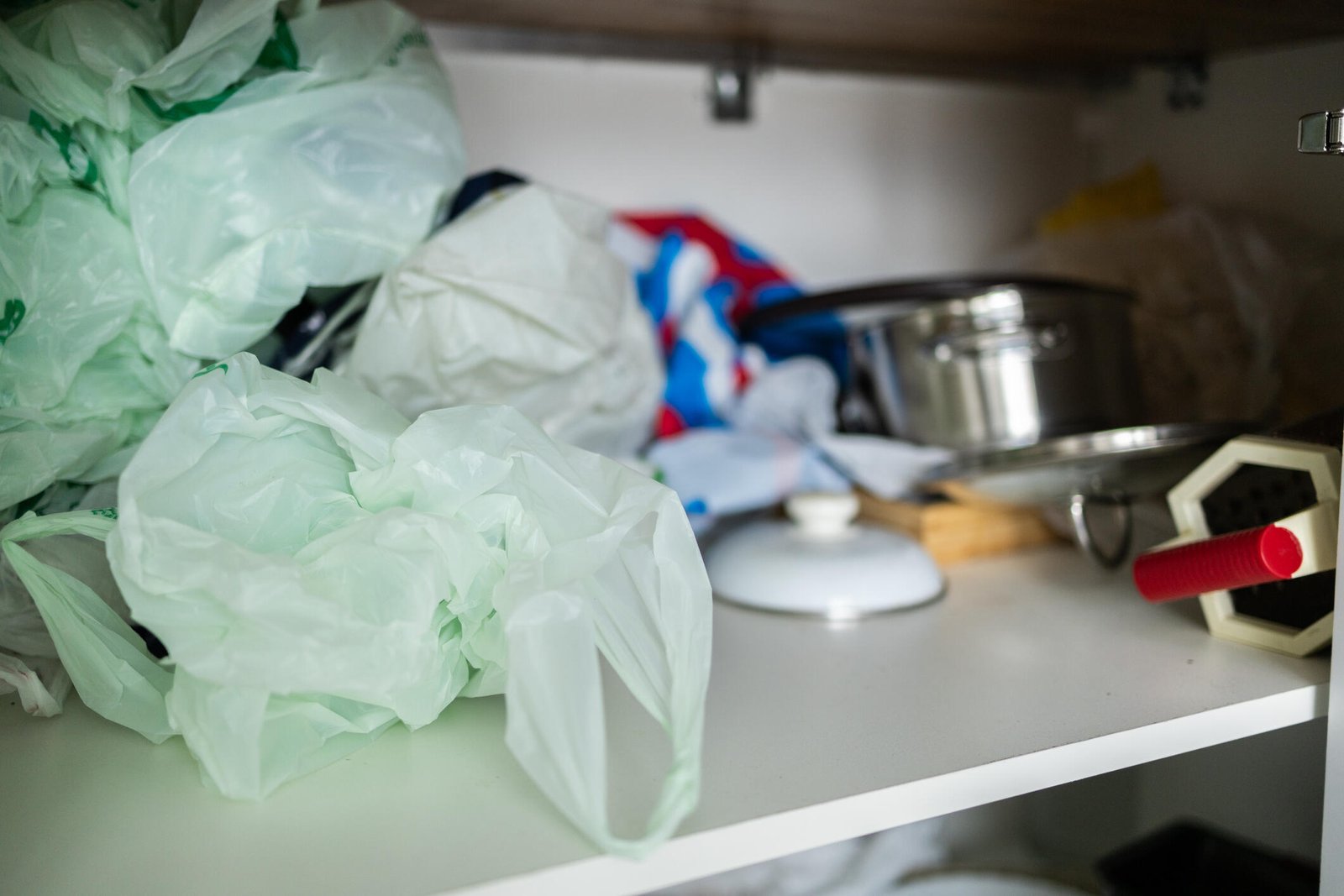

1 of 28Satura86/Getty Images
If your kitchen is one of the hubs in your home, it’s probably a magnet for clutter, too. With all the household buildup that accumulates naturally — bags, mail, electronics — there’s no need to compound it with items that are long past their prime or out of use.
The junk drawer can only hold so much before it starts to bleed into other drawers and cupboards. Before you know it, your kitchen looks more like a storage bin or recycling center than a functional kitchen.
Tossing out old cookware, broken appliances, hoards of plastic bags and expired pantry items that are simply taking up space will make room for the stuff you actually use.
Here’s a list of 27 kitchen items that are begging to be tossed or donated.

2 of 28Angela Lang/CNET
1. The baking soda in your fridge
An open box or canister of baking soda is great for keeping gnarly fridge odors at bay, but it’s recommended to replace it every one to three months for optimal effectiveness. If you can’t remember when you put it in, it’s probably just a spill hazard and no longer fighting odors. Time to toss!

3 of 28Satura86/Getty Images
2. A surplus of plastic bags
Your efforts to keep plastic out of the landfill are appreciated, but at some point, too many plastic bags is just too many plastic bags.
First, ask yourself how the collection got so big — you might need better reusable grocery totes — and then clear out the cupboard or drawer until you’re at a reasonable, usable number.
4 of 28Tyler Lizenby/CNET
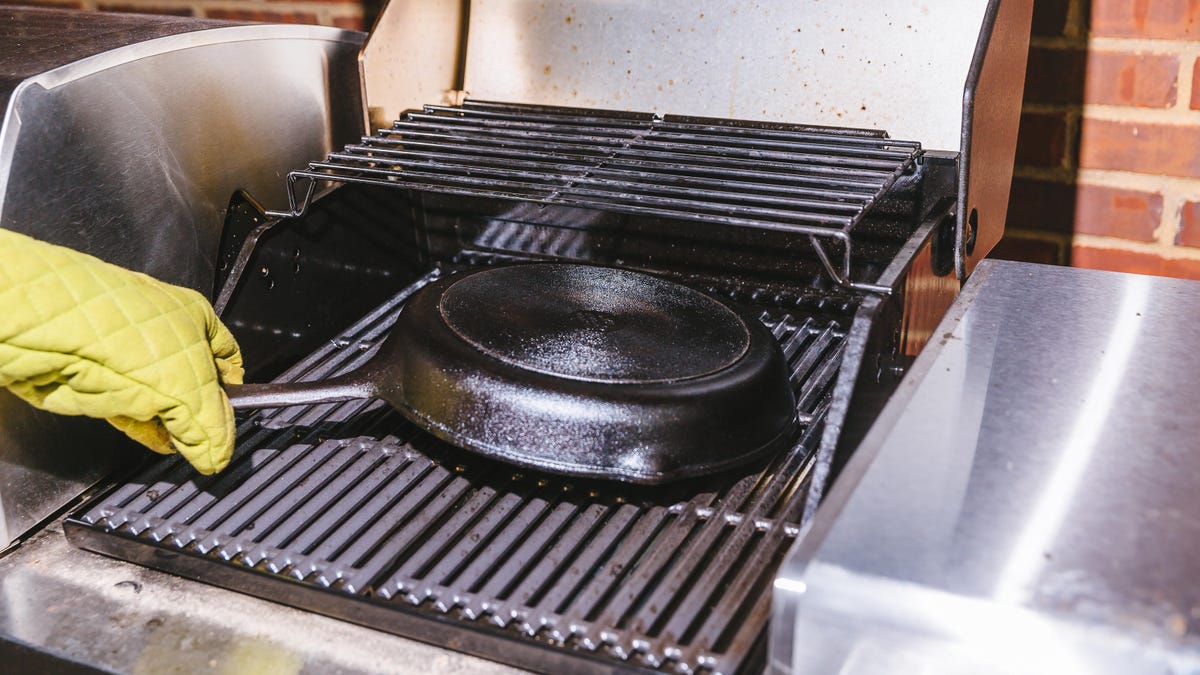
3. Warped cookware
If your cast-iron skillet no longer lies flush on the stove, that means it’s warped. This likely happened from exposing the pan to drastic temperature changes such as rinsing it with cold water while it was still hot.
Cleaning scorched cast iron is simple but, unfortunately, there’s no easy way to unwarp a pan. If your Lodge is wobbly, it’s probably time to spring for a new one and begin building that surface seasoning from scratch.
5 of 28Alina Bradford/CNET
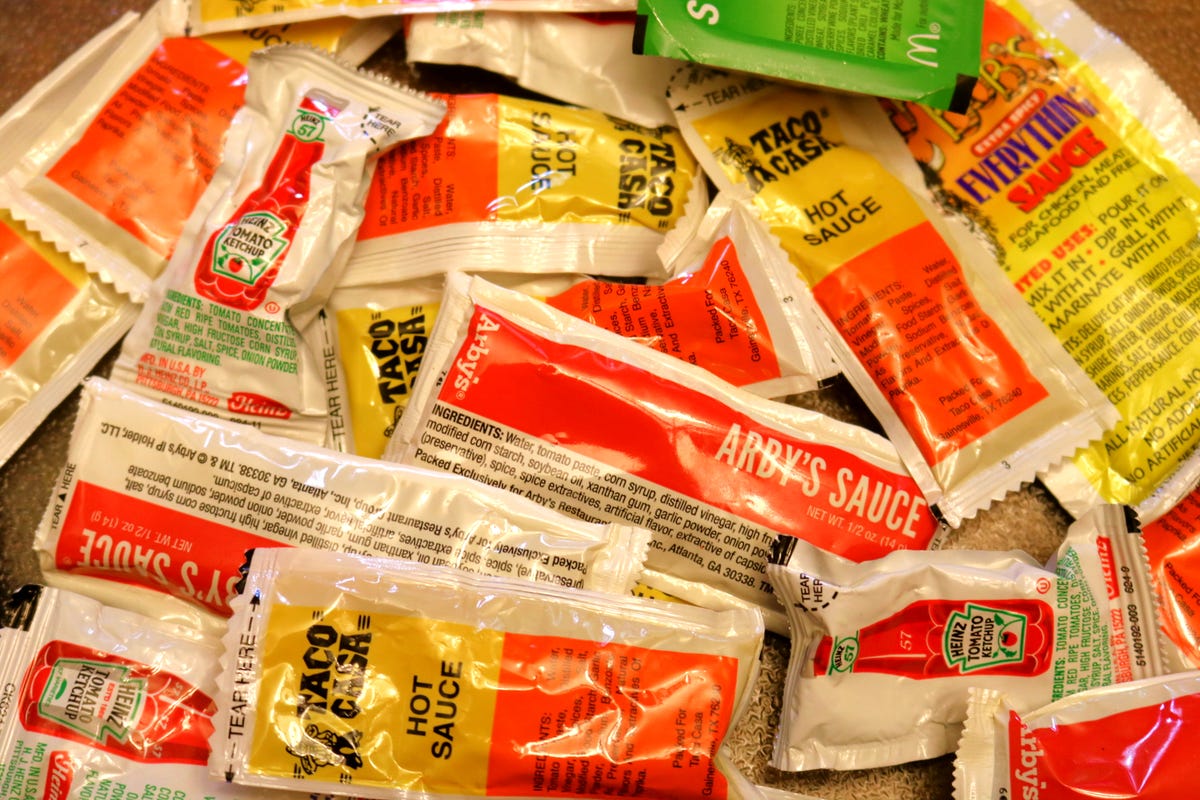
4. Condiment packets
Saving old condiments can be useful if you, ya know, use them. If the packet is sticky, corroded, discolored or the contents inside are expired, throw it away.
6 of 28Alina Bradford/CNET
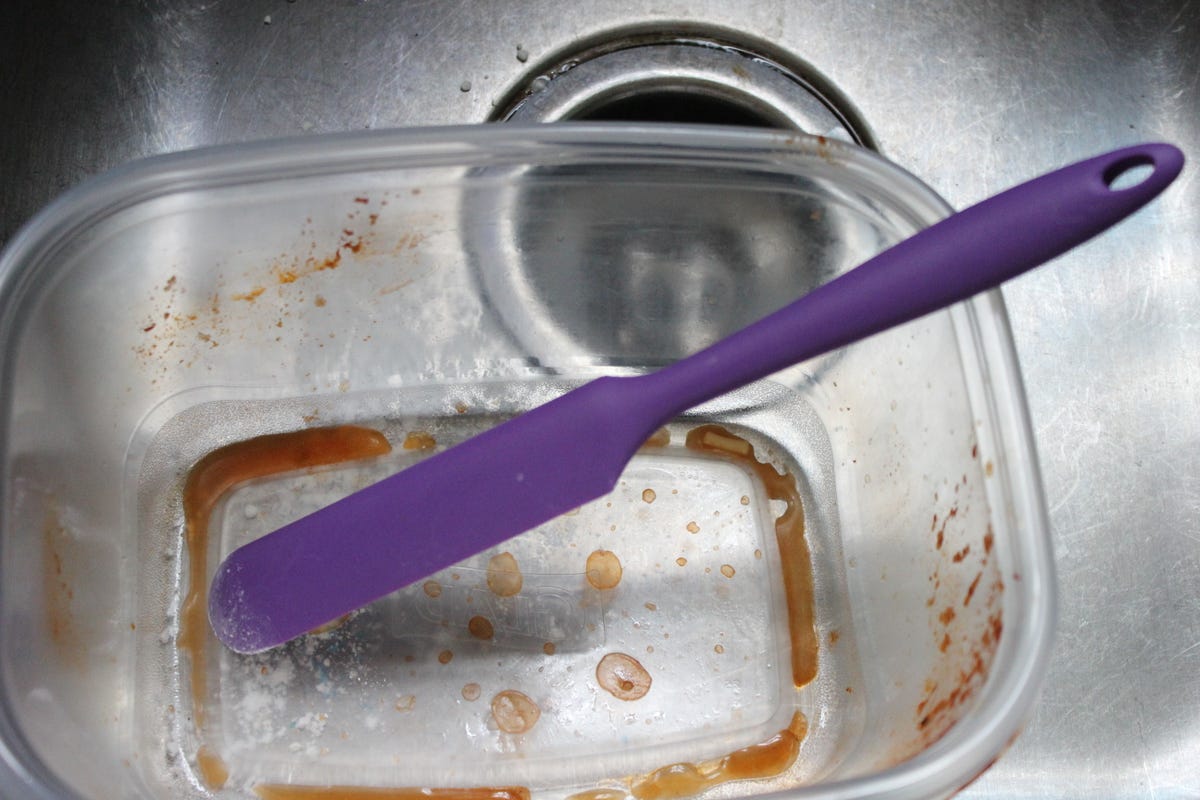
5. Plastic storage containers
If your plastic containers are warped, then the lids won’t seal properly. A poor seal can lead to freezer burn, spills and other problems. Put them in the recycling bin, and stock up on sturdier plastic containers or glass jars that will last much longer.
And if you’re not sure which takeout containers and boxes can be recycled, we’ve devised this helpful guide.
7 of 28Alina Bradford/CNET
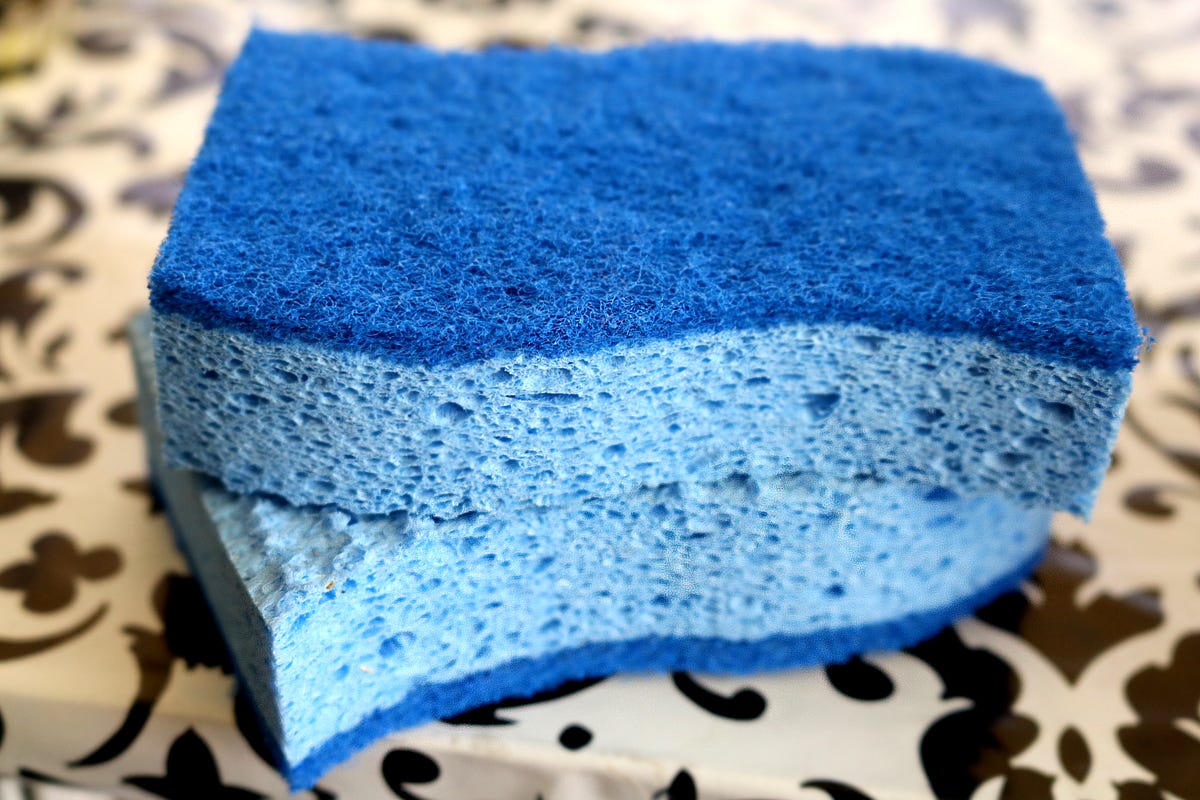
6. Sponges
If your sponge has bits falling off or has food trapped in the scrubber you just can’t get out, then don’t bother. It’s time to toss it. Also, give it a toss when it starts to smell funny. A sour smell typically indicates that the sponge is harboring bacteria.
8 of 28Alina Bradford/CNET
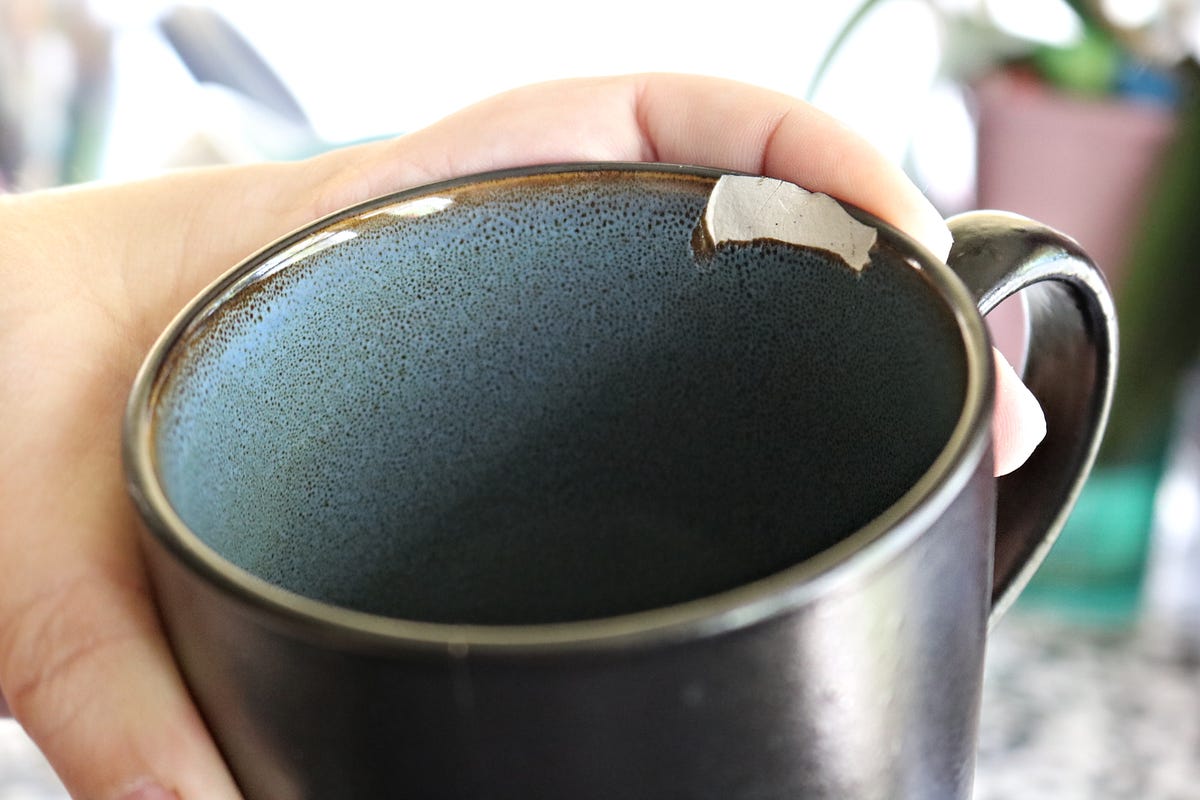
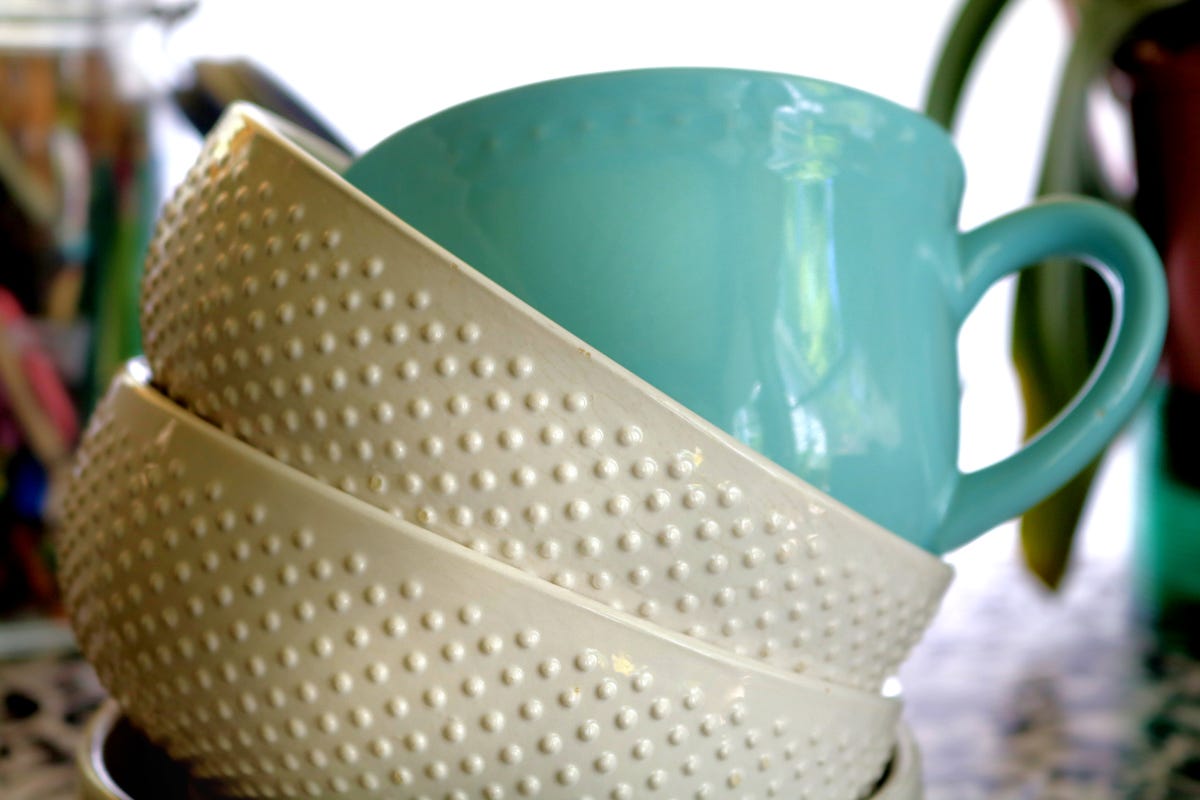
7. Chipped cups and bowls
I know it’s hard to let go of your favorite bowl or mug, but if it’s chipped, you need to say “adios.” That broken area can cut your lip or fingers. Plus, if your bowl or cup is an antique, the paint may contain lead. You don’t want little flakes of lead in your coffee or cereal.
9 of 28Alina Bradford/CNET
8. Old ceramics that may contain lead
While we’re talking about lead, take a good look at the old ceramic items in your kitchen. Ceramic bowls or cups that have a corroded glaze (it looks like the paint is coming off) or are covered with a dusty-looking, chalky gray residue after washing may be glazed with lead. The lead can leach into your food, so stop using them ASAP.
10 of 28Alina Bradford/CNET
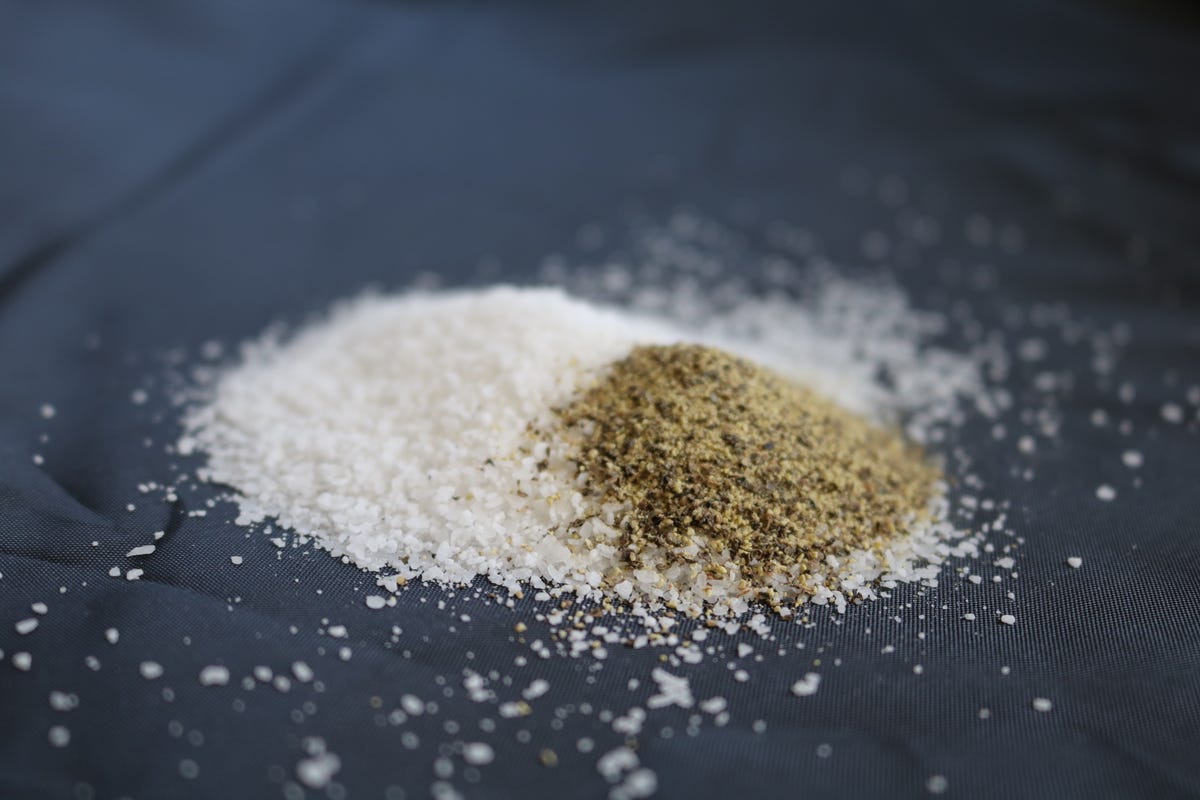
9. Old spices
If you don’t cook a lot, your spices may be past their prime. The older the seasoning, the less flavor it will give your recipes. The best indication of how good a spice might be is the sniff test. If the spice still smells strong, keep it. If you can hardly smell anything, toss it.
Old spices are often washed out and clumped in the jar due to exposure to humidity.
11 of 28Alina Bradford/CNET
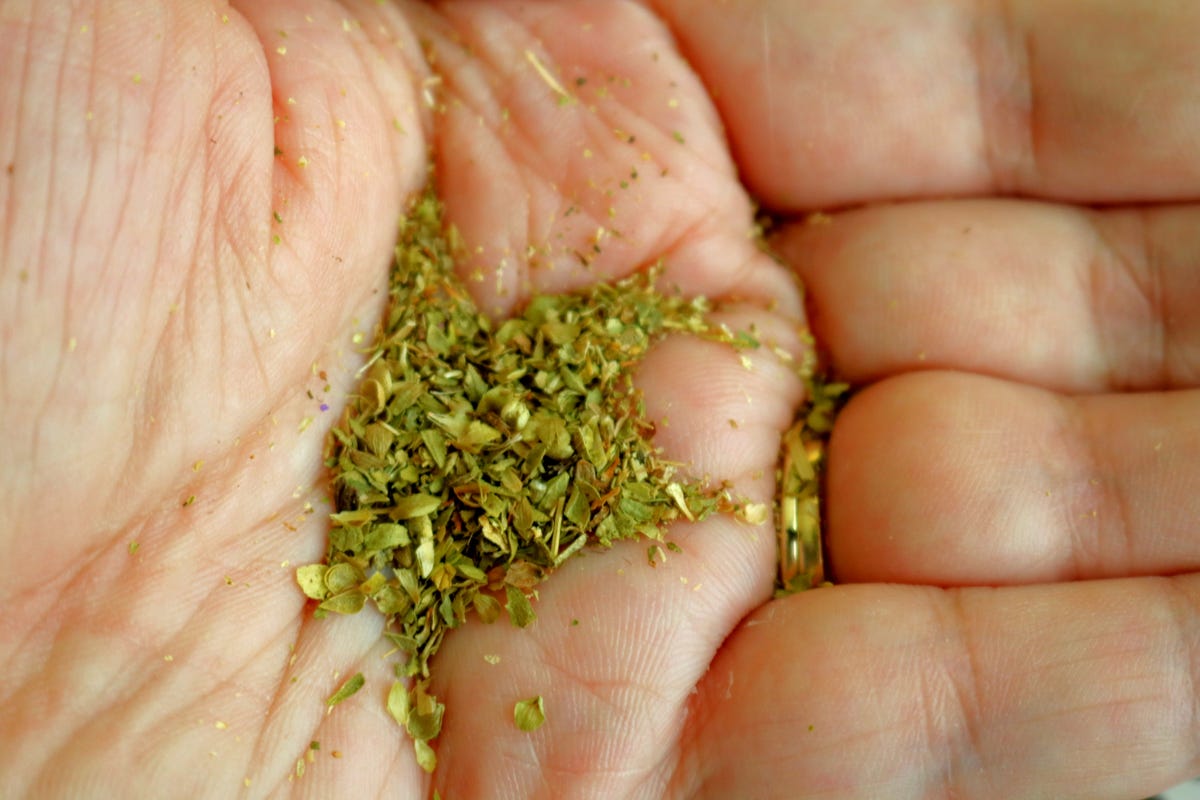
10. Old herbs
Use the sniff test on herbs, too. Also, look for faded or grayish colors, which could be another sign that the herbs are long past their use-by date.
Here’s how to store herbs so they last longer.

12 of 28Alina Bradford/CNET

13 of 28Five Two
12. Duplicates
There are some kitchen tools that it pays to have more than one of, such as frying pans and food storage containers. But you likely don’t need four of the same wooden spoon or multiple can openers that do the same single task.
If you’ve somehow ended up with duplicates, give the extras to charity or store them out of the way and free up the cupboard, counter and drawer space for stuff you need.
14 of 28Alina Bradford/CNET
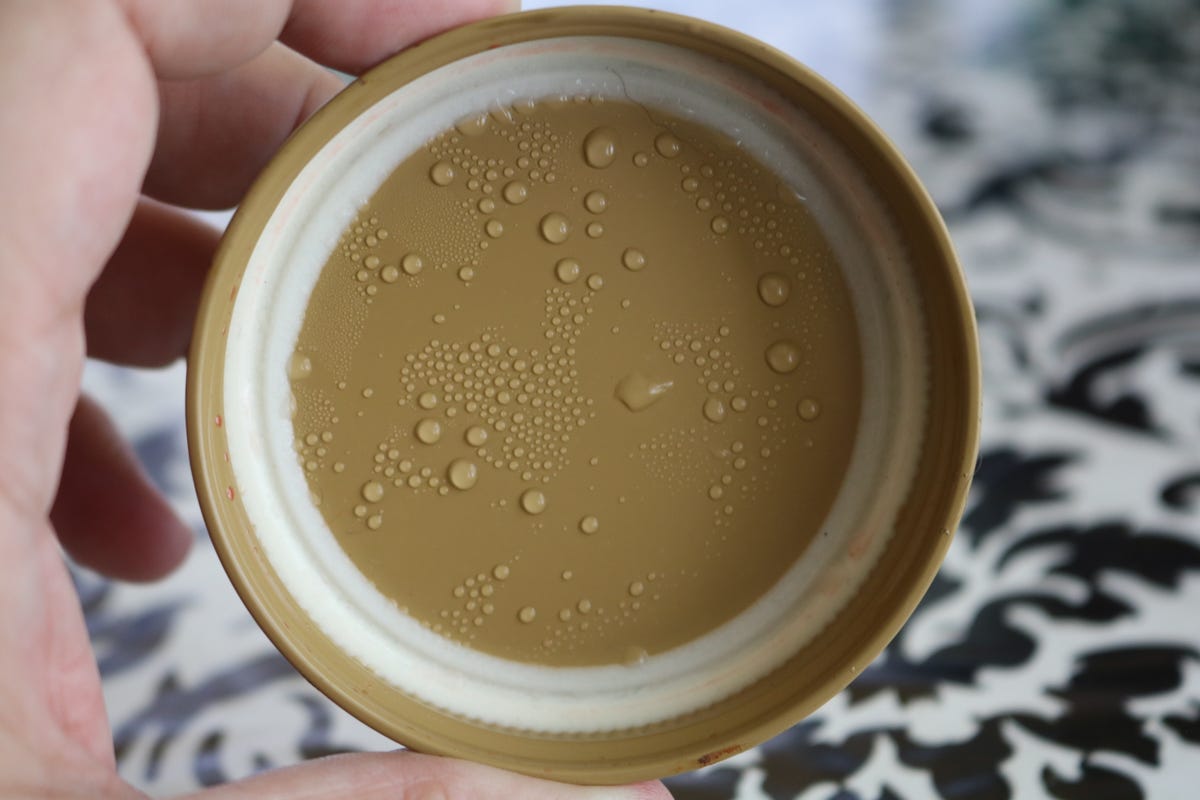
13. Canning jar lids
Do not reuse canning jar lids for canning. After one use, the seal will no longer work properly. You can use the used lids on items you’ll just store in the fridge, but once they’re rusty, it’s time to toss them in the recycling bin.
15 of 28Alina Bradford/CNET
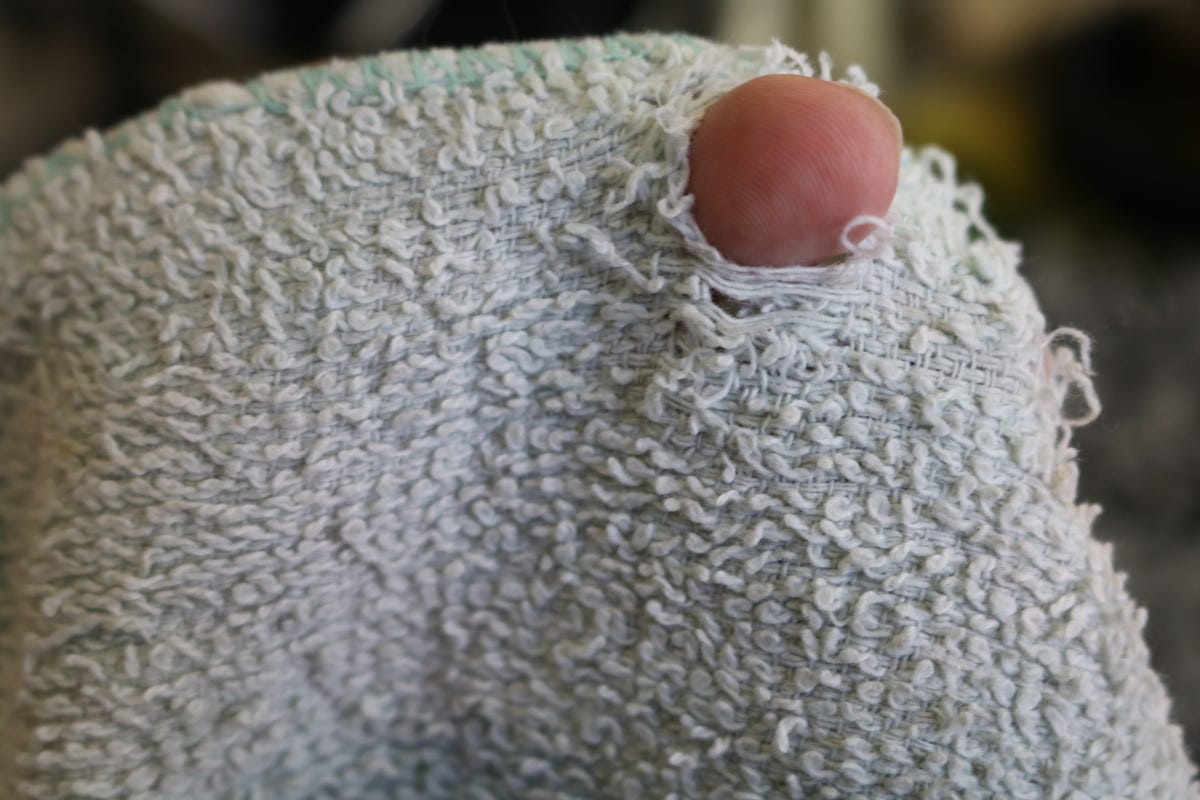
14. Torn pot holders
This should be obvious, but I’ve seen too many people with ripped pot holders in their kitchens. Eventually, these people end up with a nasty burn. Don’t be like them! Get some new potholders that will properly protect your digits.
16 of 28Alina Bradford/CNET
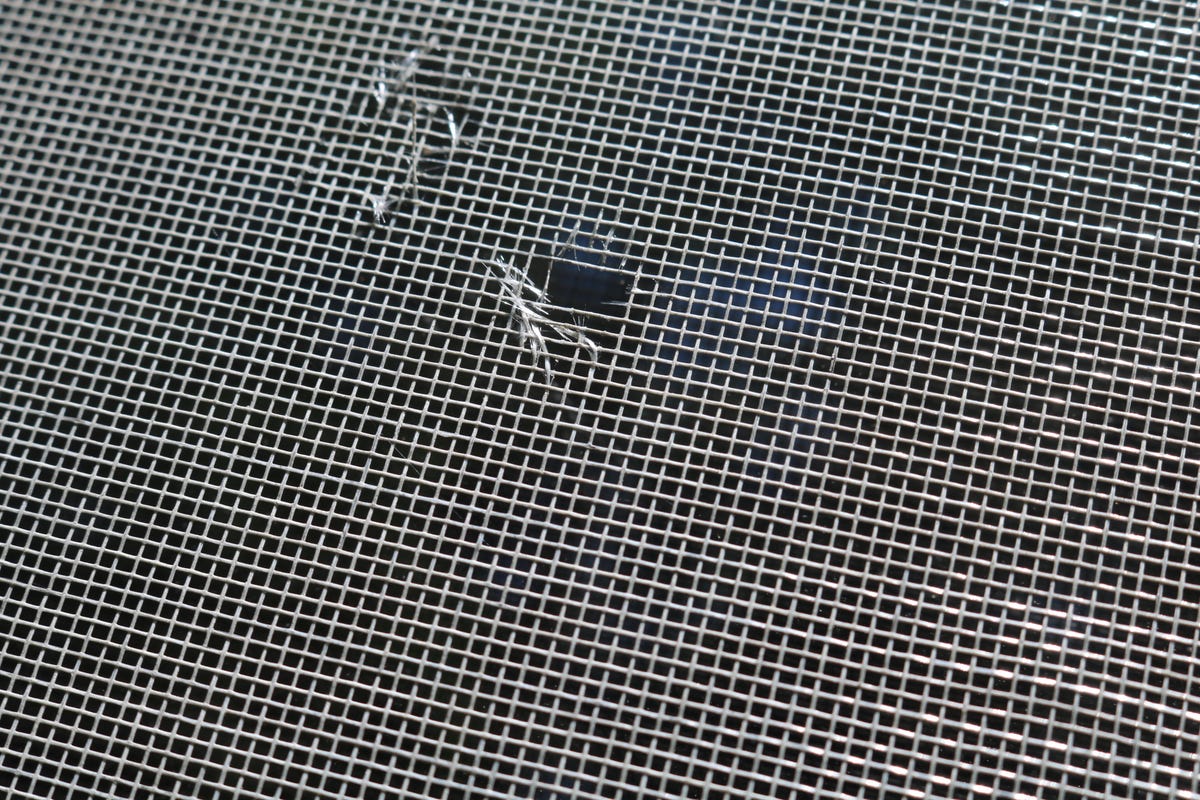
15. Ripped sieves
If your sieves are rusty or have holes, toss them in the recycling. The rust can get into your food, and what’s the point of pouring something through a sieve that has a big hole in it? Just let it go.
17 of 28Alina Bradford/CNET
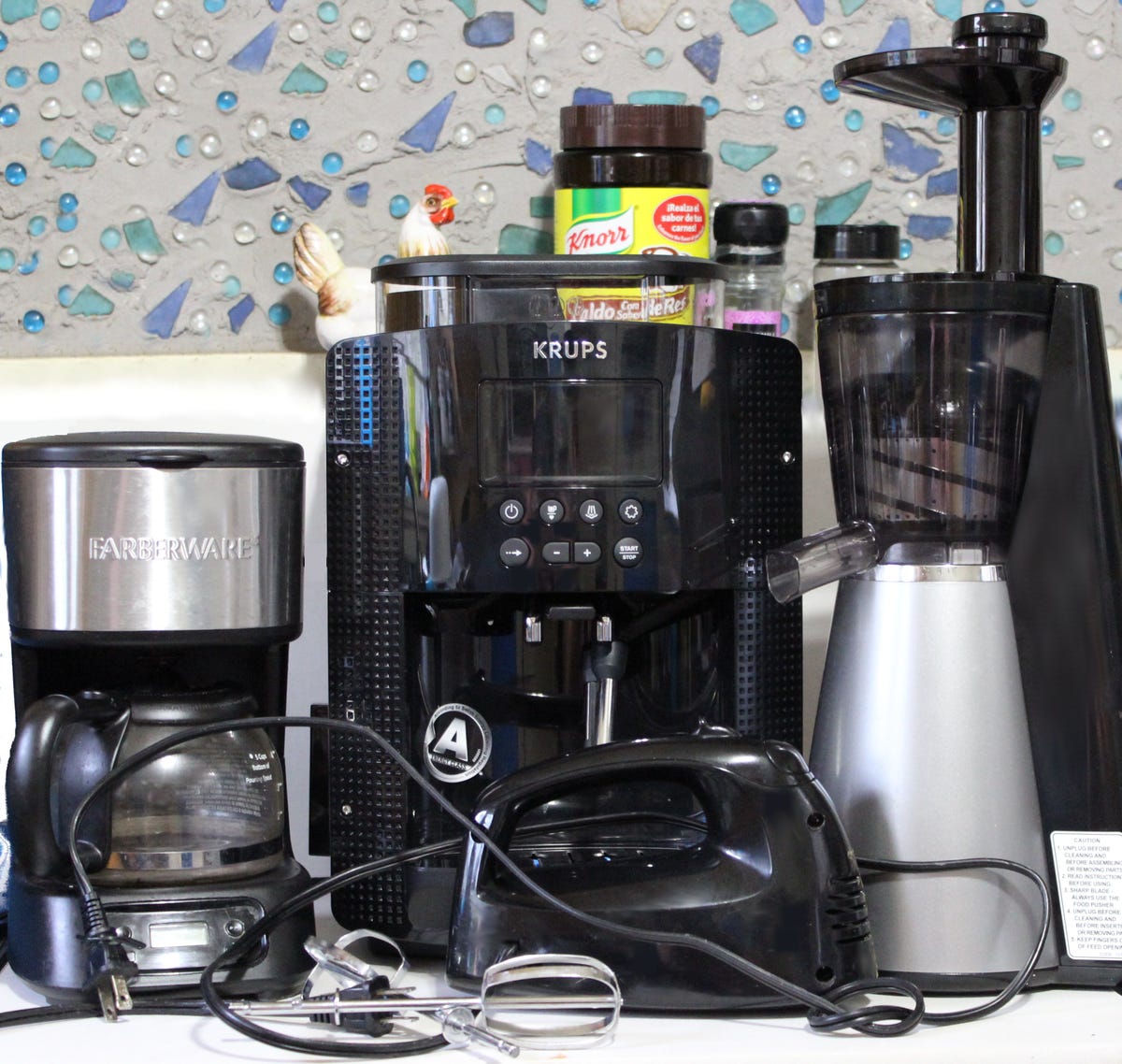
16. Unused appliances
It doesn’t matter if it was a wedding gift or not. Box up any appliance you haven’t used in the past year and donate it to charity. You’ll enjoy the added space in your kitchen and someone else will enjoy your donation.

18 of 28Alina Bradford/CNET

19 of 28Johnrob/Getty Images
18. Random junk drawer items
While you’re decluttering your kitchen, you might as well declutter the clutter drawer. It’s wise to have a spot for random, useful items that don’t have a natural home, but if it’s currently filled with old batteries, broken flashights and pens that don’t work, your junk drawer has gotten too junky.
20 of 28Alina Bradford/CNET
19. Pickles
Who doesn’t have a jar of pickles in the fridge that’s been there since 2010? Pickles do go bad, though. Check the Use By date on the jar to see if it’s expired. If you can’t find it, then go by one simple rule: If you can’t remember when you bought it, toss it.
21 of 28Chris Monroe/CNET
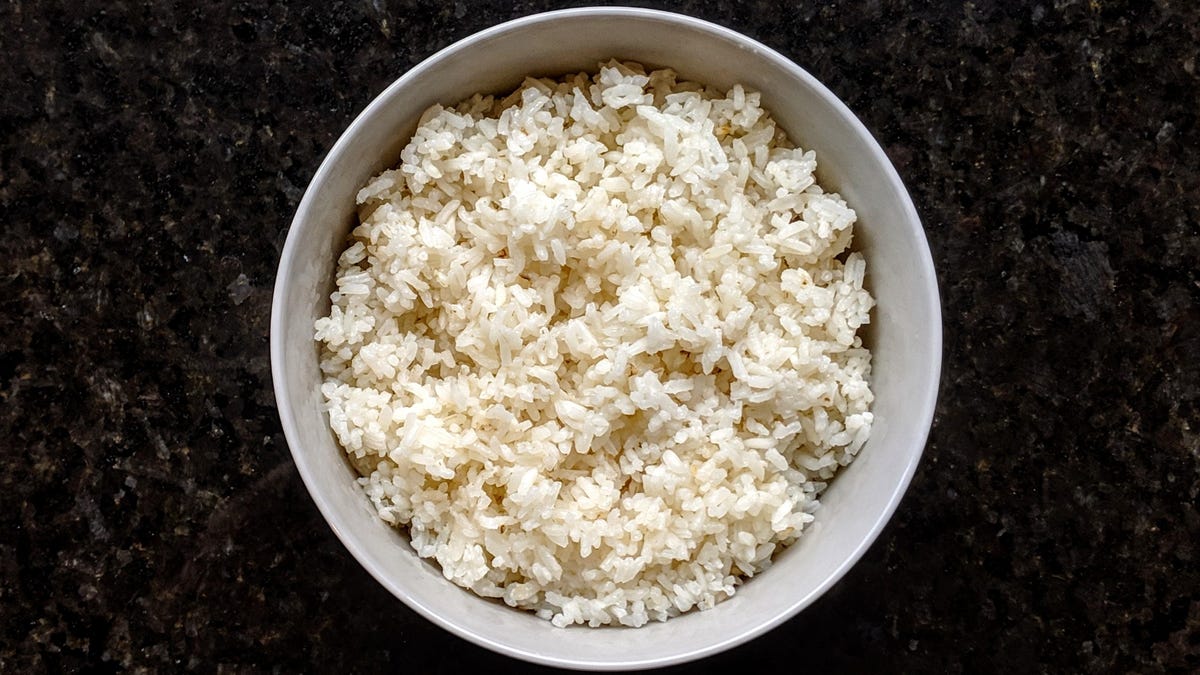
20. Leftover rice
Cooked rice might seem like one of those things that’ll last forever, but it doesn’t.
As we explain in this article, cooked rice can develop bacteria within an hour of being left out at room temperature, potentially causing food poisoning.
22 of 28Alina Bradford/CNET
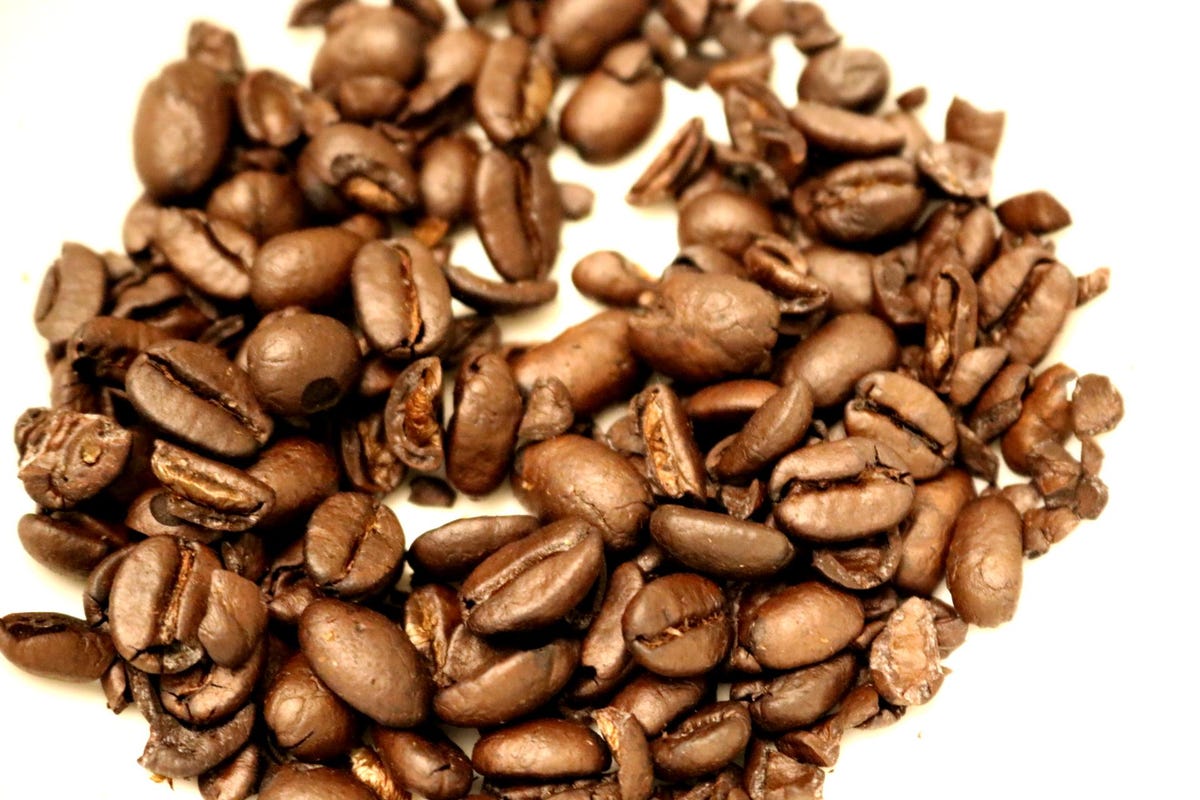
21. Old coffee or tea
If you’re an infrequent hot beverage drinker, you probably have a can of grounds or a box of tea bags on your shelf that’s been there forever.
After three to six months, coffee goes bad. A tea starts to lose its potency after a year or so, even if it’s sealed and stored properly. If you can’t remember how old it is, brew a cup. If it doesn’t have a strong smell or tastes weak, it’s too old.
If you need fresh beans, these are the best coffee subscriptions to try in 2025.
23 of 28Alina Bradford/CNET
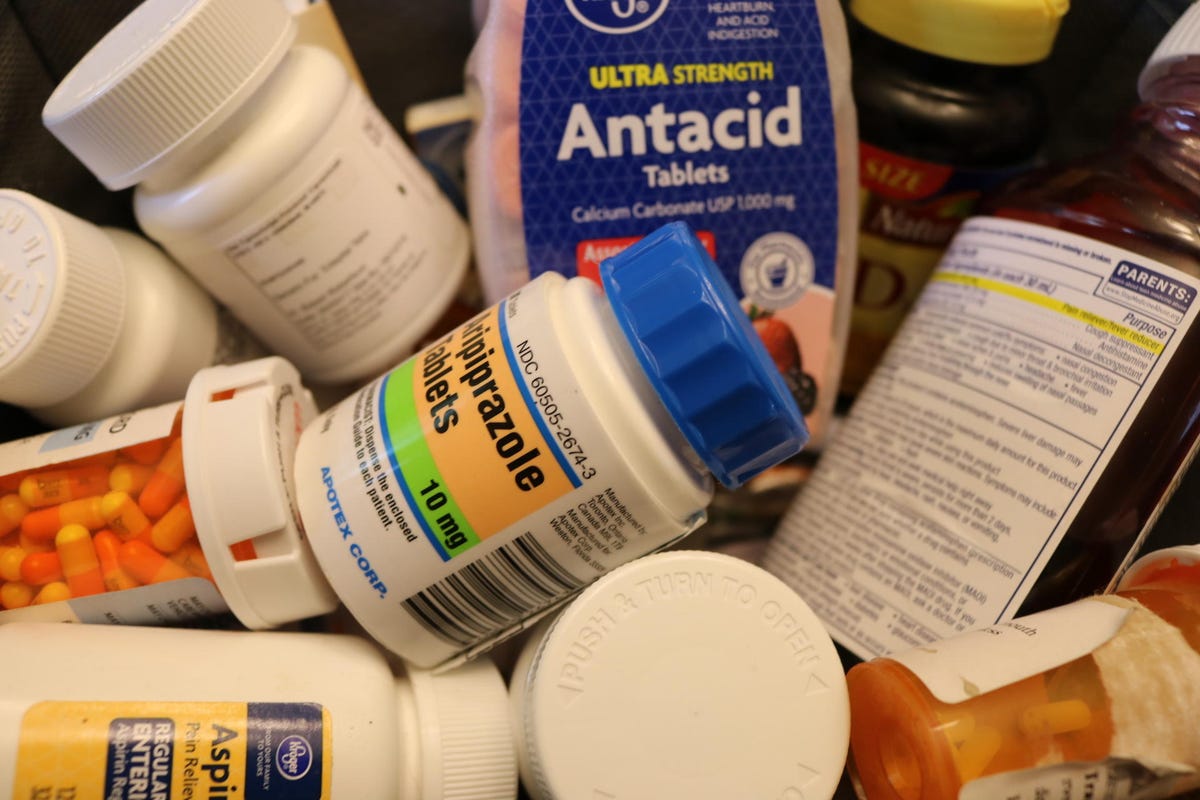
22. Expired meds
A lot of folks have a cabinet in their kitchen dedicated to storing their medicines. Go through yours and toss anything that’s expired.
24 of 28Alina Bradford/CNET
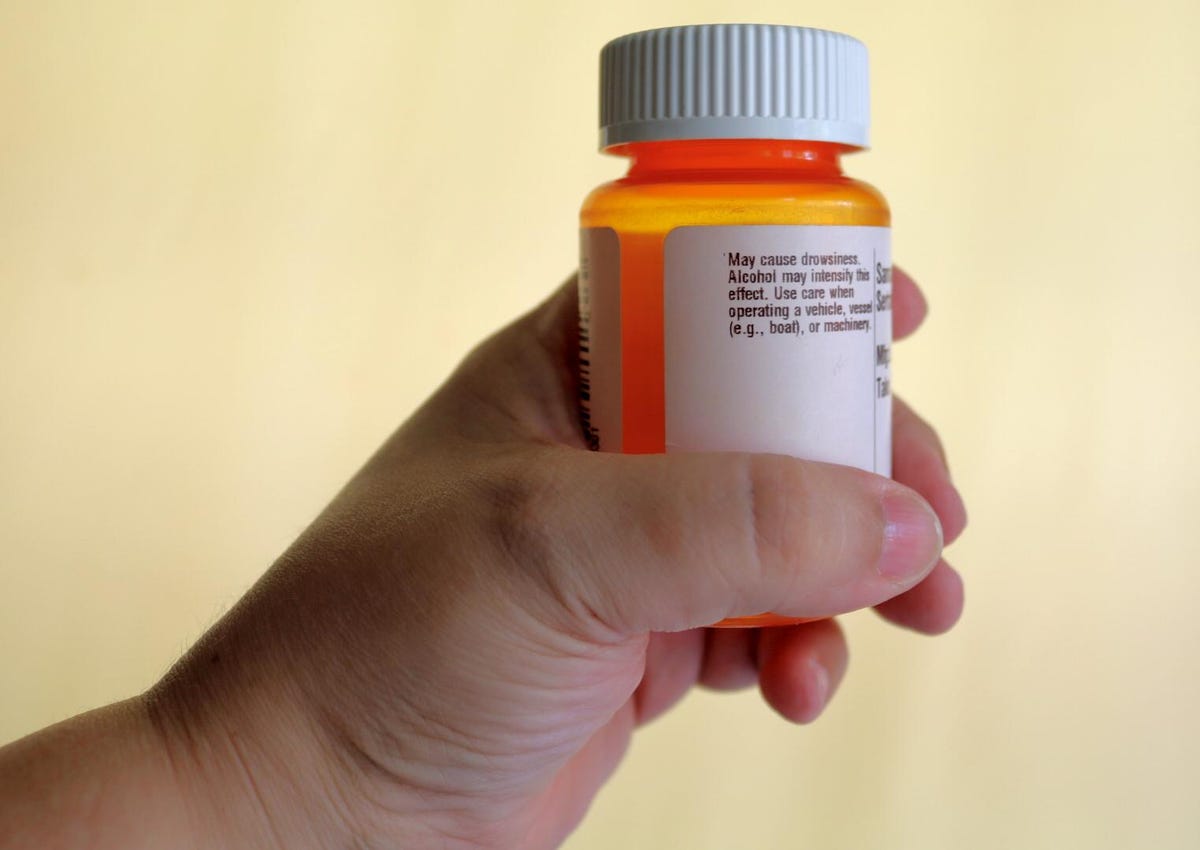
23. Prescription medications
Toss the prescription meds, too. Expired medication may not be as effective and can be potentially dangerous, according to the FDA.
When tossing medicine, check the label for specific disposal instructions. Also, black out or scratch off personal information on the label. If you live in the United States, you can use the US Department of Justice website to find a collection location near you.
25 of 28Alina Bradford/CNET
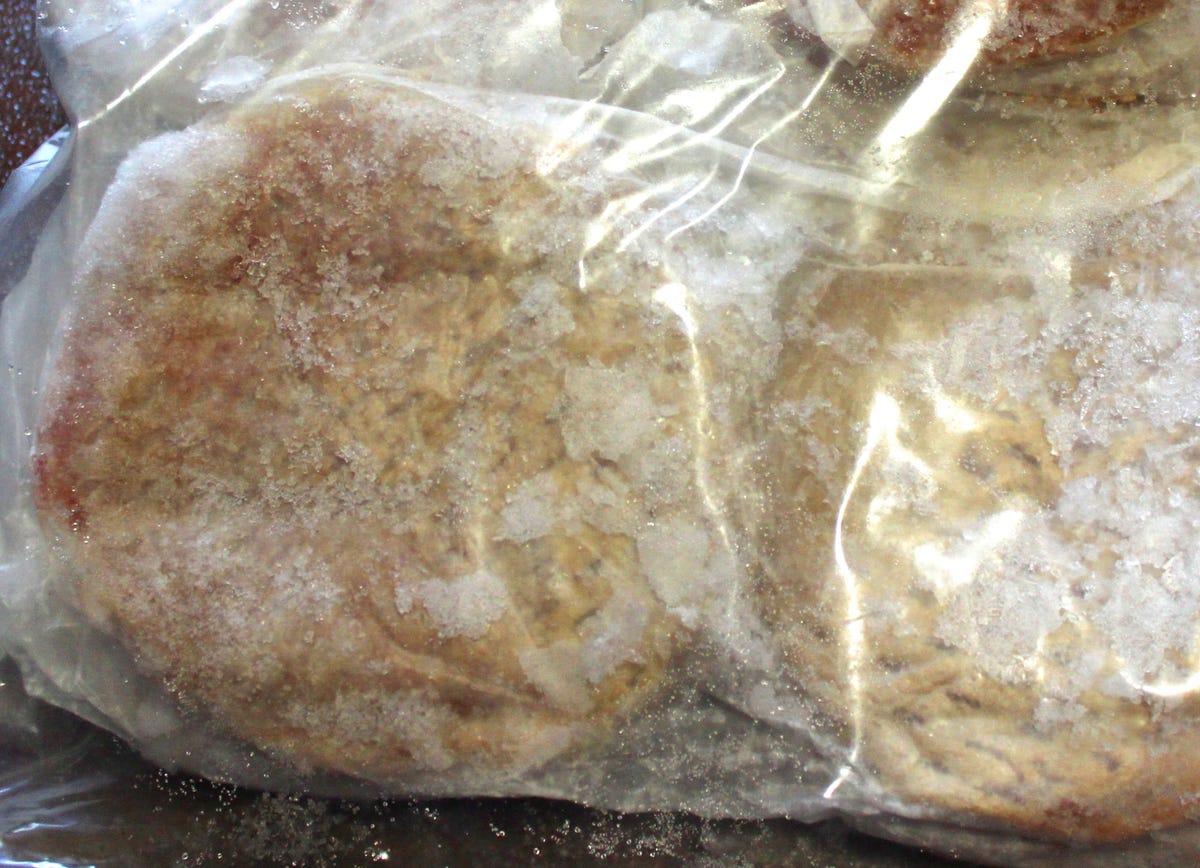
24. Mystery bags of frozen food
If you don’t know what it is or how long it’s been there, don’t take a chance. Toss it.
26 of 28Alina Bradford/CNET
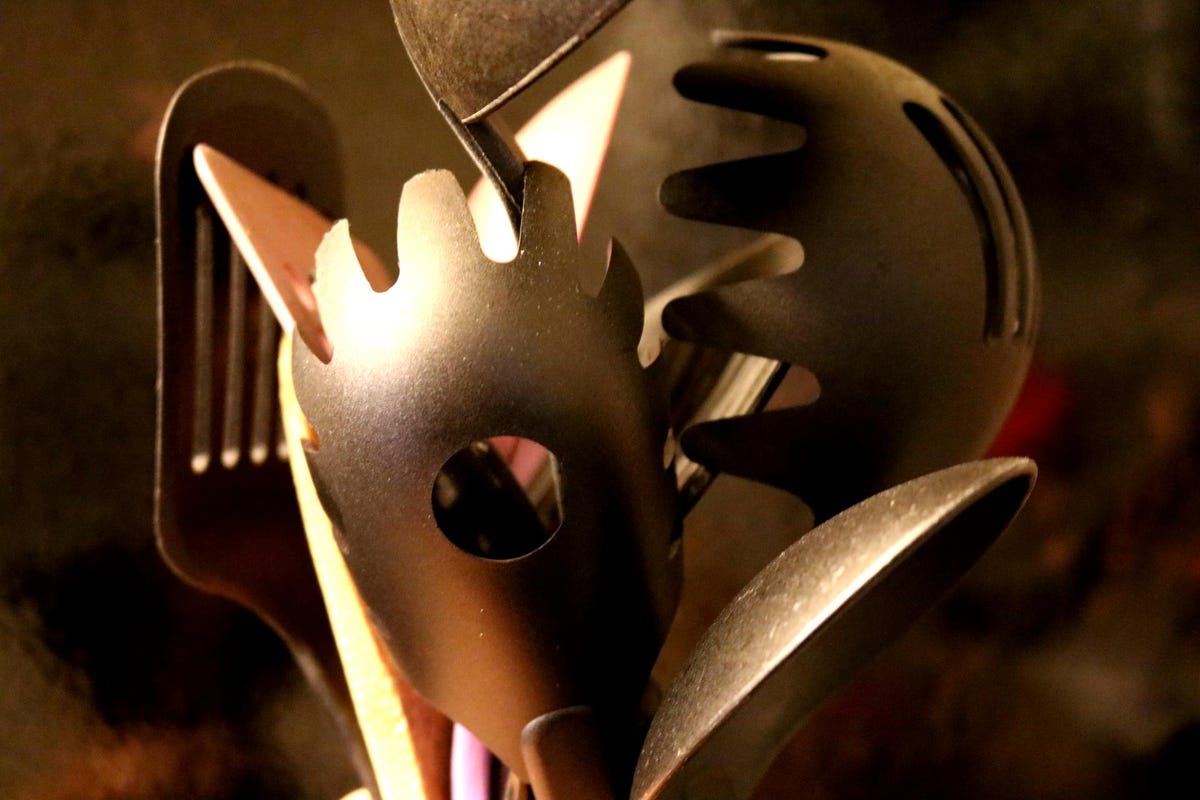
25. Old utensils
If it’s broken, melted or rusty, let it go. You’ll be so much happier with a new spatula or whisk.
27 of 28David Watsky/CNET
26. Old cookware
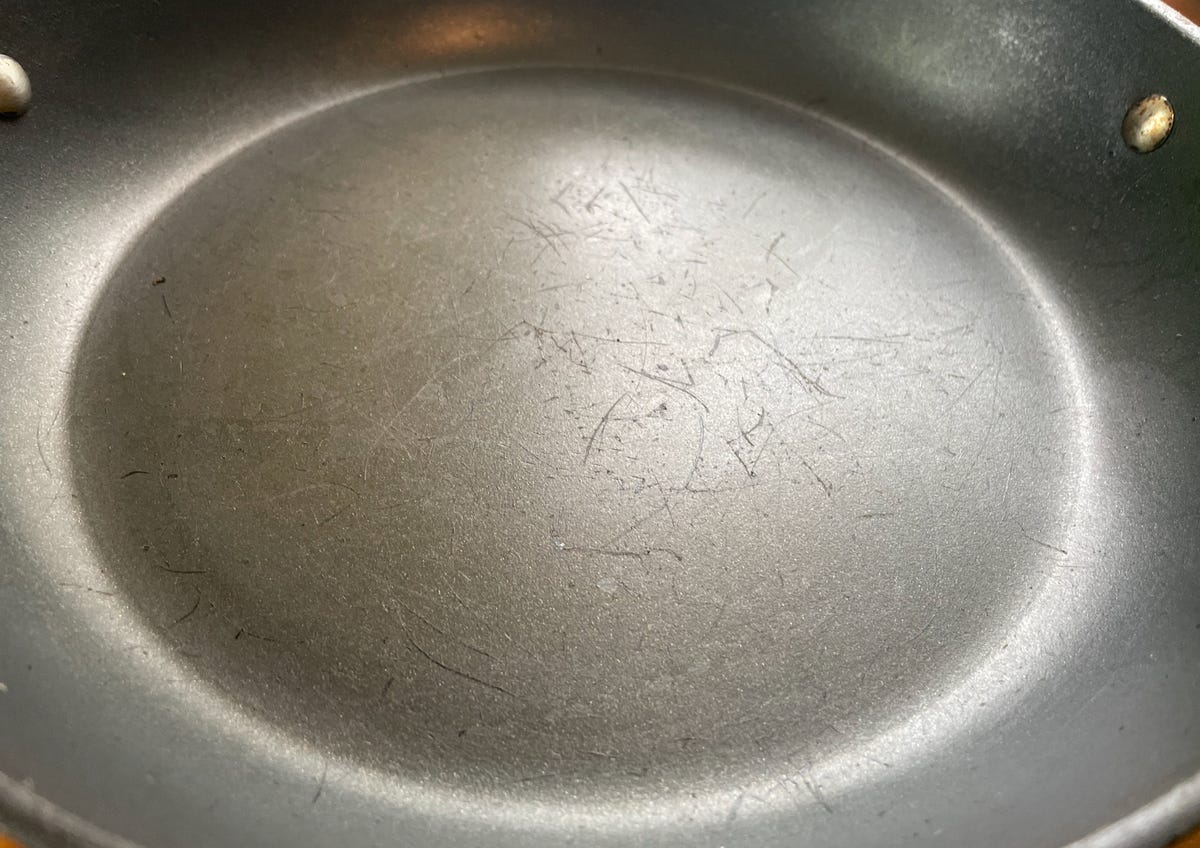
When nonstick cookware surfaces start to flake and chip, they’ll be less effective. You also don’t want to ingest too much of that chemical compound.
If your nonstick skillet looks anything like this, it’s time to saddle yourself with a fresh pan. These are the best nonstick frying pans we’ve tested.

28 of 28Daniel Harvey Gonzalez/In Pictures via Getty Images
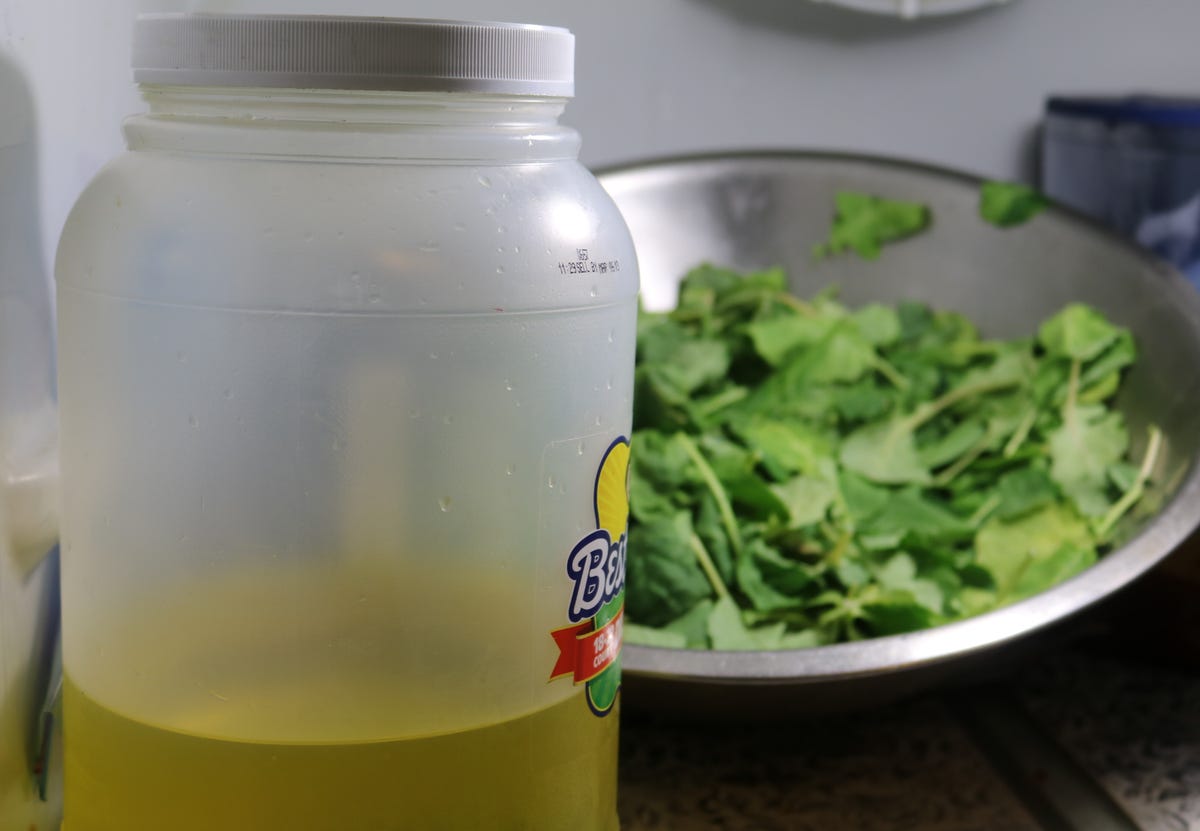
27. An old bottle of olive oil
Some oils last longer than others but fresh olive oil has a relatively short shelf life. Try to use olive oil within three to four months of opening. After that, it’s probably time to toss it and spring for a fresh jug.