dailynewsnblog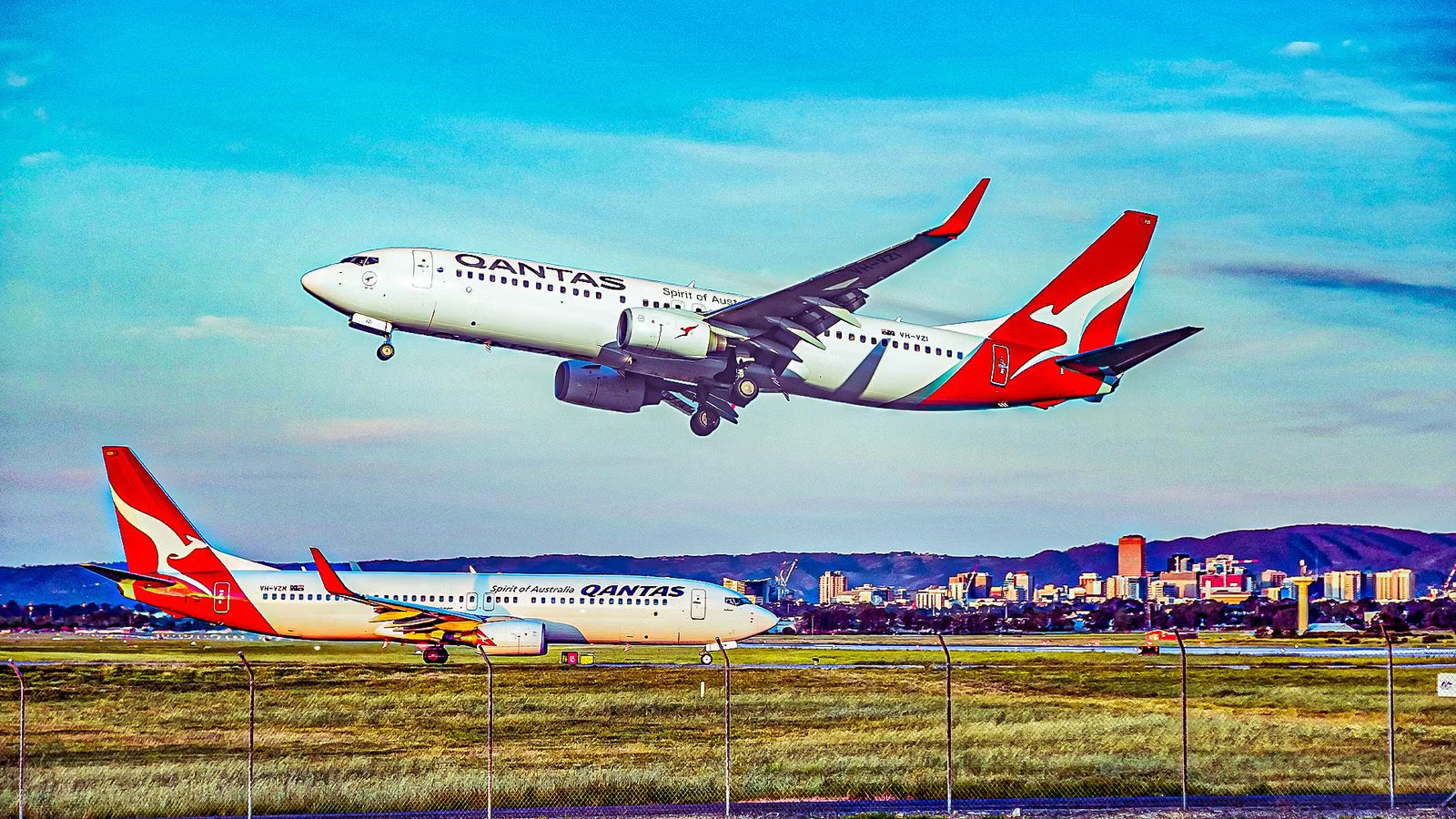
An Australian passenger was fully reimbursed by Qantas after being initially denied compensation following a biohazard incident on a packed flight between Australia and New Zealand. The traveler reported being splashed with projectile vomit from another passenger who felt sick onboard, raising concerns about hygiene, crew response, and cleaning support. The incident, which gained attention online in recent weeks, sparked debate over airline responsibility during onboard medical or sanitation emergencies. Qantas has since reversed its earlier decision, citing an internal referral mistake.
The episode first surfaced in a viral Reddit post detailing the passenger’s experience and the subsequent struggle to secure reimbursement for cleaning costs and travel disruptions. Media coverage amplified the story, focusing not only on the incident itself but on how the airline handled the aftermath. Although in-flight illness is not uncommon, the visibility of this case has placed renewed scrutiny on airline biohazard procedures and customer care policies. The situation ultimately led Qantas to issue a full refund and an explanation for the initial refusal.
What Happened On Board

According to the passenger’s account shared on Reddit, the incident occurred on board Qantas Melbourne Airport to  Auckland Airport service on January 28, while still taxing, when a nearby traveler suddenly vomited, with the force spraying bodily fluids onto adjacent seats and passengers. One of the affected customers described being partially covered, including clothing and personal items. Cabin crew reportedly provided limited immediate cleaning materials, leaving the passenger to manage discomfort before returning to the gate for cleaning. The post quickly drew attention, with commenters questioning the preparedness of onboard sanitation.
Back at the gate, the affected passenger decided to deplane and then sought reimbursement from Qantas for professional cleaning and replacement costs. The airline initially declined, stating the event was outside its control and therefore not compensable. This response triggered backlash online, with many arguing that airlines retain a duty of care to passengers exposed to biohazards in a confined cabin. The dispute soon caught media attention, intensifying pressure on the carrier to reassess its stance.
A Qantas spokesperson told Sky News that the customer’s case was initially referred to the wrong team for assessment, but the team has now fully reimbursed the customer.
Qantas Clarification Regarding The Incident

Qantas later clarified that the denial stemmed from an internal processing error rather than a formal policy against compensating such incidents. Once escalated, the airline approved reimbursement for all documented out-of-pocket expenses. The reversal suggests that airlines may rely heavily on internal categorization systems when evaluating claims, which can sometimes misclassify unusual onboard events. For passengers, persistence and documentation remain critical when navigating airline compensation channels.
Biohazard incidents, ranging from spills to medical emergencies, are an acknowledged challenge in commercial aviation. Aircraft cabins are tightly controlled environments where crew training prioritizes safety, but sanitation responses can vary depending on available equipment and time constraints. Airlines typically stock basic cleaning kits, but severe contamination events may exceed what can realistically be managed, especially in-flight. This tension between operational practicality and passenger comfort often shapes post-incident compensation discussions.
Industry guidelines typically recommend isolating affected areas when possible and reducing exposure, sometimes requiring an immediate landing at a nearby airport. However, during full flights, reseating options might be limited. This case highlights how customer expectations are growing beyond just safe transport to include hygiene management and transparent aftercare.

Airline Asks Passengers To Pee In Bottles After All Toilets Break
One passenger told the Australian publication that the stench soon spread through the cabin.

The viral spread of the original post shows how social media continues to serve as a pressure relief valve in customer service conflicts. Passengers now often record and share onboard experiences in real time, speeding up public scrutiny. Consequently, reputational concerns for airlines can quickly become as crucial as the financial cost of reimbursements. Qantas’ eventual resolution illustrates how rapid escalation can change outcomes.
Uncontrollable passenger illness generally falls outside standard compensation policies, unless negligence is clear. However, changing consumer expectations are encouraging carriers to adopt more flexible, goodwill-based solutions. As awareness of cabin health has increased, especially after recent global health crises such as covid-19, passengers are paying more attention to sanitation standards.
Although the incident itself was unusual, the broader takeaway centers on communication and process clarity. The airline’s explanation suggests that administrative routing errors can materially affect customer outcomes. For travelers, the episode serves as a reminder to keep records and escalate concerns through formal channels.