dailynewsnblog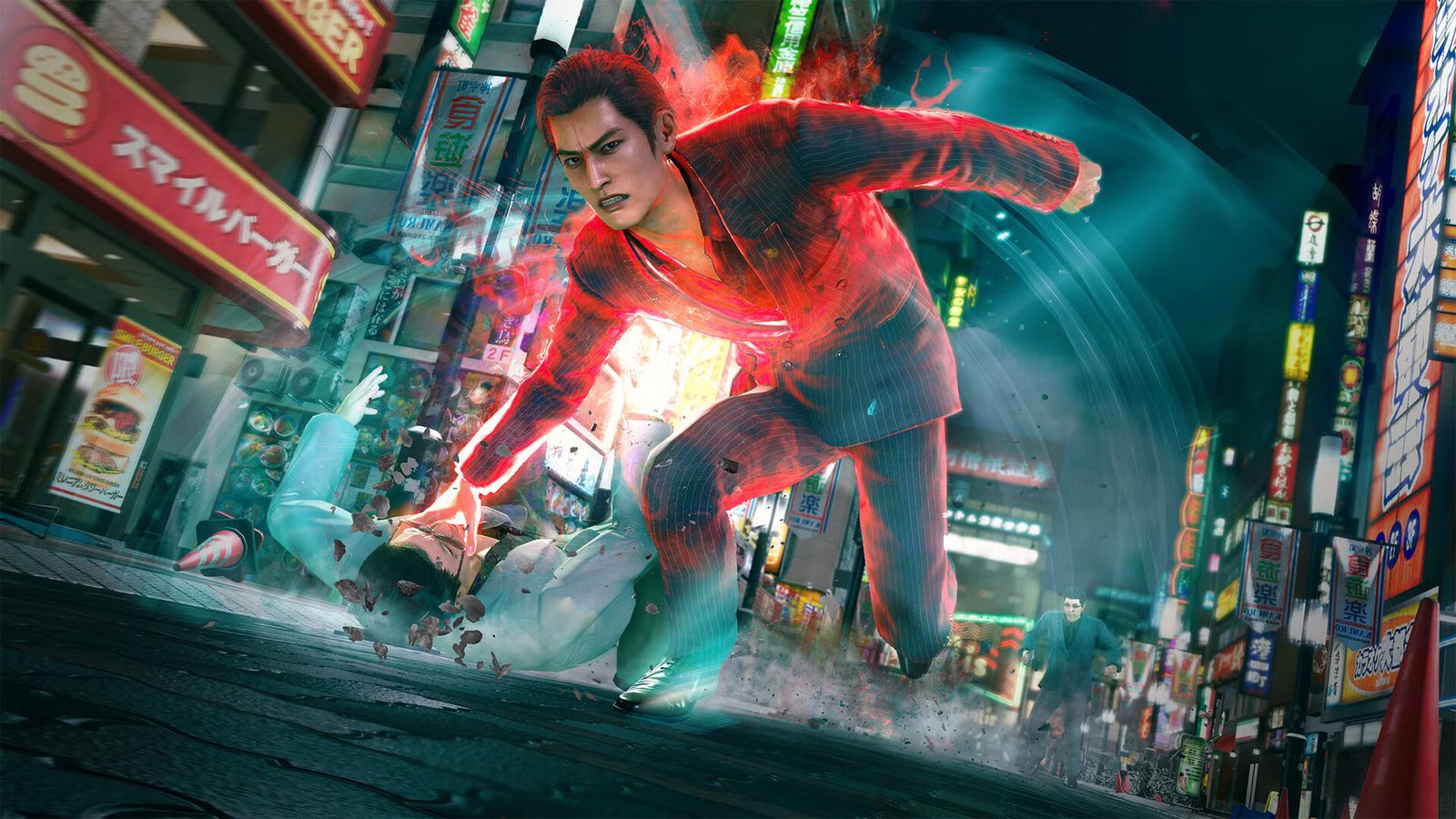
I have a rule with TV shows: I won’t start watching a series until I know the end is in sight. I just don’t have the heart to get invested in a show for years, only for it to funnel to a disappointing conclusion. It’s why I never started Game of Thrones during its heyday, and why I haven’t touched Stranger Things since checking out the pilot. Call it a self-defense mechanism from watching Lost week-to-week during its original run, but if I’m going to commit my time to a long-term story, I want to be sure that the writers have a destination in mind.
I’m not nearly as strict with this rule when it comes to video games, but after Yakuza Kiwami 3, maybe I should be.
For the latest game in its action RPG series, developer Ryu Ga Gotoku served up a divisive remake of Yakuza 3. Controversial casting decisions and forced tie-ins to recent Like a Dragon games make for a skippable double-dip for those who played the original version. I wasn’t all too interested in checking it out myself, but I was eager to play what came bundled with it: Dark Ties. The brand new side-game stars Yakuza 3 villain Yoshitaka Mine, fleshing out a fascinating character in the Yakuza universe. At worst, I figured it would be an inessential chapter that would still be worthwhile as a bit of world building.
I’ve always described Yakuza as a soap opera, due to all the baby swaps, amnesia, secret siblings, and posthumous surprises that happen throughout the series. It’s a long-running show where you don’t want to miss a single episode. I was too invested in the story to miss what I imagined would be a juicy flashback episode, but Dark Ties proved to be something any TV watcher dreads: a filler episode. It’s a damning moment for the ever-consistent Yakuza, and one that makes me wish more game series could go out on a high note.
I don’t have much to say about Dark Ties. It largely fills a gap in Yakuza 3’s story that didn’t really need to be filled. The bulk of the six-hour runtime sees Mine taking on a damage control job for Tsuyoshi Kanda, one of Yakuza 3’s most heinous, womanizing villains. That idea flows through a tongue-in-cheek PR agency minigame, where Mine must do good deeds in Kanda’s name. There are a few cutscenes and boss fights between all that, which link Dark Ties back to the main game.
It’s brutally boring. The PR quest is just another way to ask players to play a round of darts, do karaoke, beat up a few thugs, and take on a small handful of rote side-stories. The best thing I can say about it is that it features a playable Game Gear; the worst thing I can say is that it retcons Yakuza 3’s impactful story in a way that makes it clear that Ryu Ga Gotoku has no compelling long-term vision for the series. Finally, Yakuza had crossed the line between soap opera (complimentary) and soap opera (derogatory).

As I sleepwalked through it, I flashed back to my days watching Lost. Even the most diehard fan will tell you that the show had its ups and downs. The first two seasons were thrilling, turning it into a cultural phenomenon, but that wound up being the worst thing that could have happened. Just as the show’s creators were setting up mysteries and drip-feeding answers at a steady pace, ABC demanded that the story go on longer. The writing began to suffer as a result, with the show’s third season notoriously getting padded out by filler episodes designed to keep episodes coming without stepping on the endgame. The lowest point? “Stranger in a Strange Land,” a maligned episode dedicated to explaining the significance of Jack Shepard’s tattoos.
Dark Ties is Yakuza’s “Stranger in a Strange Land.” It’s not so much a jumping of the shark as it is a drowning. It’s content for the sake of content, making sure that the series gets its latest contractually obligated episode to air in time. And as fate would have it, Dark Ties explains the significance of Mine’s tattoos, too.
While it’s a new low for Yakuza, the series has quietly been in its Lost Season 3 era for the past few years. 2023’s Like a Dragon Gaiden: The Man Who Erased His Name is an emotional, but ultimately inconsequential flashback episode akin to a Lost episode like the John Locke-centric “Further Instructions.” Last year’s Like a Dragon: Pirate Yakuza in Hawaii has the same bottle episode silliness of “Exposé,” a polarizing hour about two C-characters’ mysterious deaths. The big moments, such as Like a Dragon: Infinite Wealth, still hit their marks, but keeping up with the series is starting to feel a lot like following a successful show that’s spinning its wheels.

It’s not just a Yakuza problem; it’s a rampant issue for the video game industry. When a game hits big, a sequel is inevitable. And if that sequel does well, of course we’re going to need another one. New installments keep coming until a singular story becomes a media franchise that needs to continue even when there’s not a compelling narrative to support it anymore.
The Halo series’ mega-popularity dictated that Master Chief needed more reasons to reload, even after finishing the fight. There always needs to be another Call of Duty campaign despite the fact that the series rarely has anything new to say about war. The Assassin’s Creed series has all but given up on its overarching present-day story, sidelining it in Assassin’s Creed Shadows to instead focus on telling an isolated historical tale. So many popular game series have begun to feel like TV shows that have outstayed their welcome by several seasons.
It’s a tricky balancing act for developers, because games are more than just stories. The art of play is paramount, and seeing game mechanics evolve over time isn’t so dissimilar from watching characters grow in a long-running TV show. I’m still willing to play a game like Pokémon Legends: Z-A because I’m curious to see how Game Freak continues to evolve its signature monster combat. That’s why something like Yakuza can stay engaging for so long when it’s at its best: gameplay becomes character.

Yakuza Kiwami 3 & Dark Ties loses that spark, and that poses a real threat to the series going forward. Eye-rolling retcons, a refusal to let the past rest, and a tendency to replay the familiar hits on the gameplay front has started to turn what was once an exciting series stale. I’m starting to dread each new game announcement, because I can no longer be sure if I’m going to get a meaningful episode from week-to-week.
Once a TV series hits that point, it’s time to wrap it up. Maybe it’s high time for Ryu Ga Gotoku to do the same before a must-watch soap opera becomes background noise on your kitchen TV.