dailynewsnblog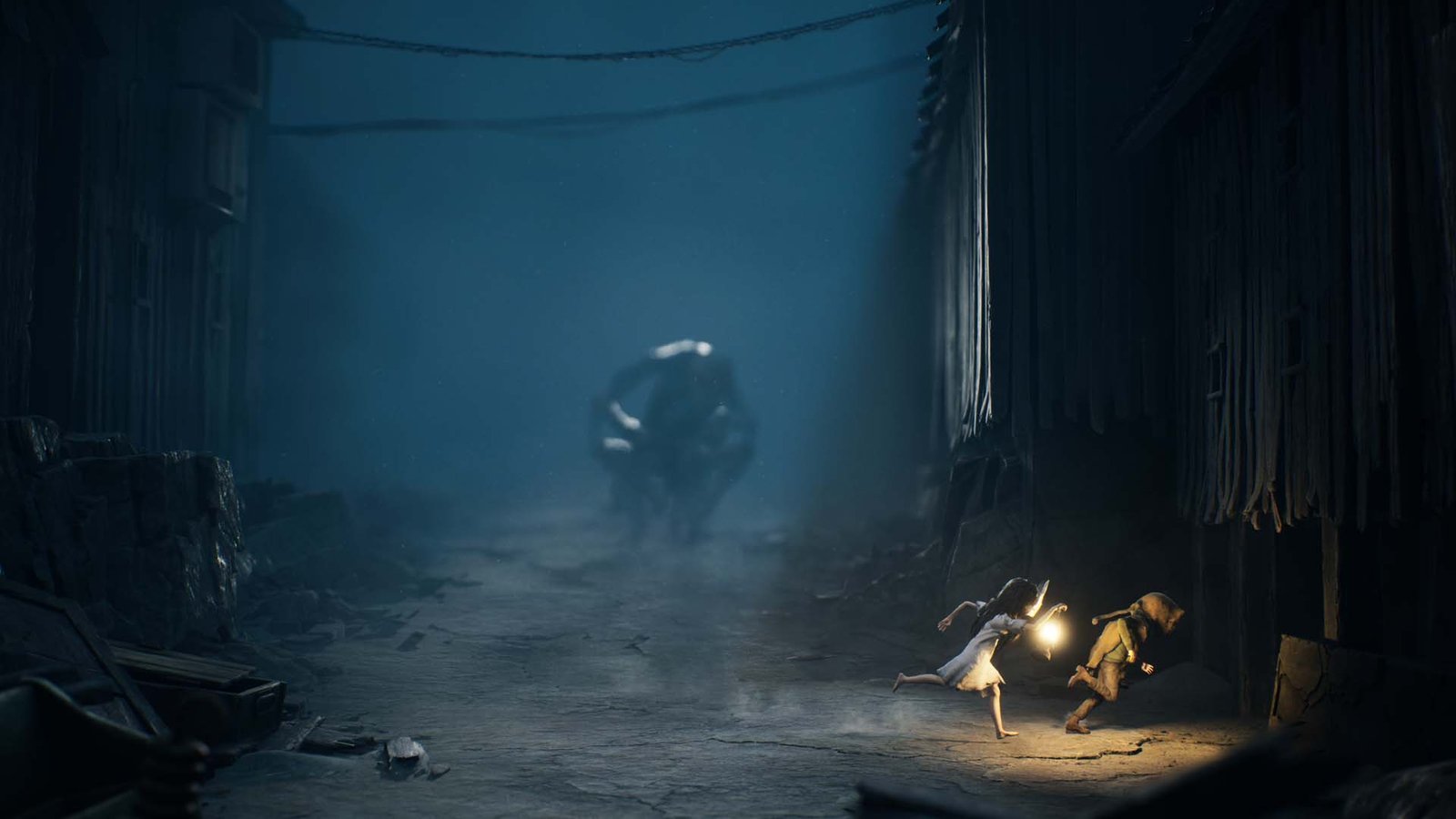
Summary
- Producer Andreas Johnsson and Narrative Director David Mervick share how they built their new horror game Reanimal around co-op to support being scared together.
- They also cite some of their formative horror influences, including “Alien,” “Jaws,” and the works of Astrid Lindgren and David Lynch.
- Reanimal is available today on Xbox Series X|S and Xbox on PC with support for Xbox Play Anywhere.
When I was five years old, unbeknownst to my babysitter at the time, I snuck out of bed to watch “Poltergeist” while hiding beside the couch, utterly terrified. The scene where the clown doll comes to life and drags the little boy under his bed stuck with me in particular. I had a clown marionette in my room at the time, which I tangled up irrevocably and buried in the back of the closet. Being scared out of my mind is one of my earliest memories.
The things that frighten us as little kids can have a lasting impact. I came late to appreciating horror movies as an adult, in no small part because of that early, scarring experience. Maybe if I’d had a friend there with me, things might have gone differently.
Being scared together is a central pillar of Reanimal, the latest meticulously crafted horror game from Little Nightmares creators Tarsier Studios, available today on Xbox Series X|S and Xbox on PC. Last week I was able to play the game and speak with two of its key creatives: Producer and Studio Co-founder Andreas Johnsson, and Narrative Director David Mervick. We discussed how the game both iterates on and breaks away from their beloved Little Nightmares series, as well as some of the formative experiences that shaped their relationships to horror.
Formative Fears
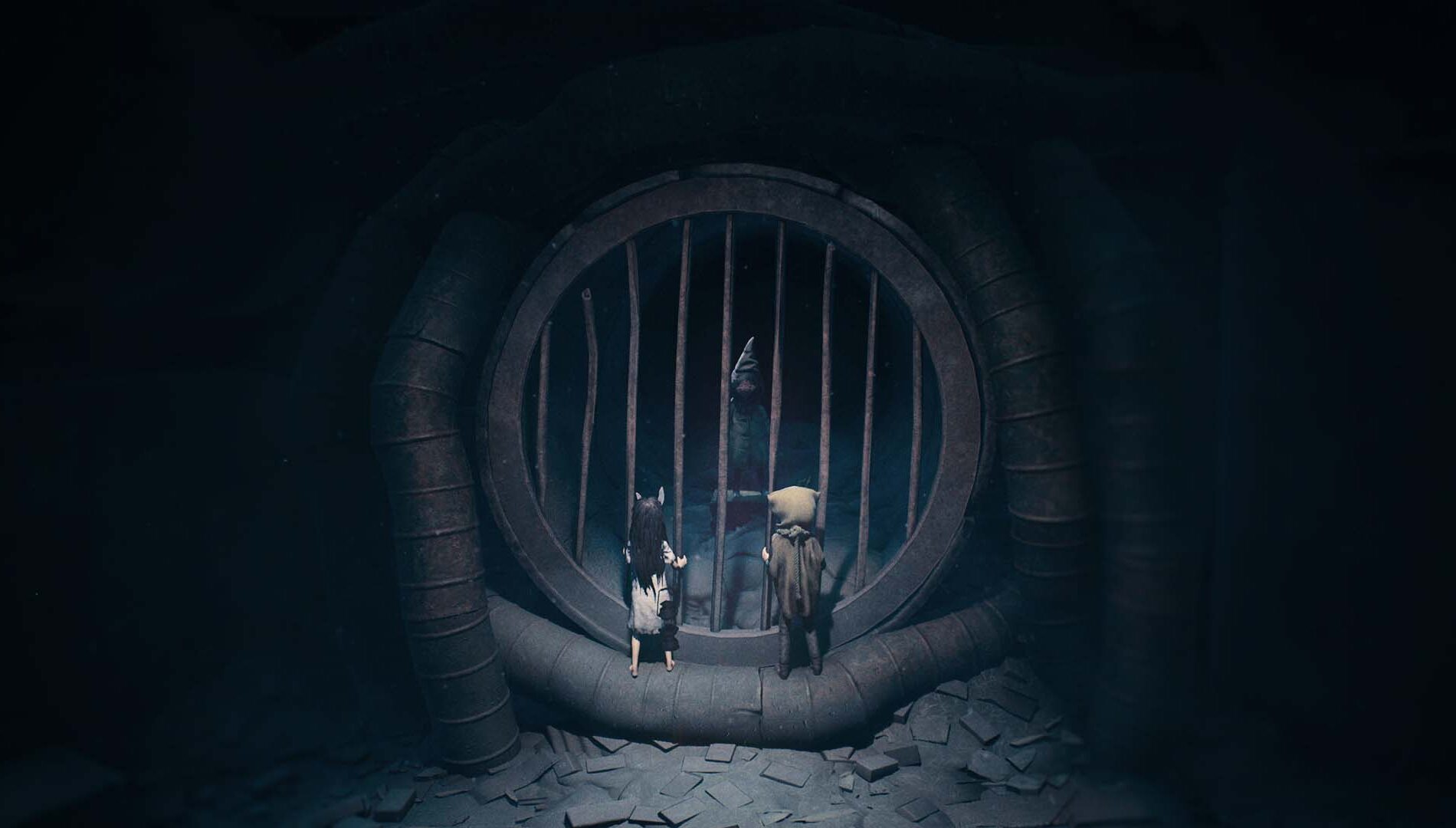
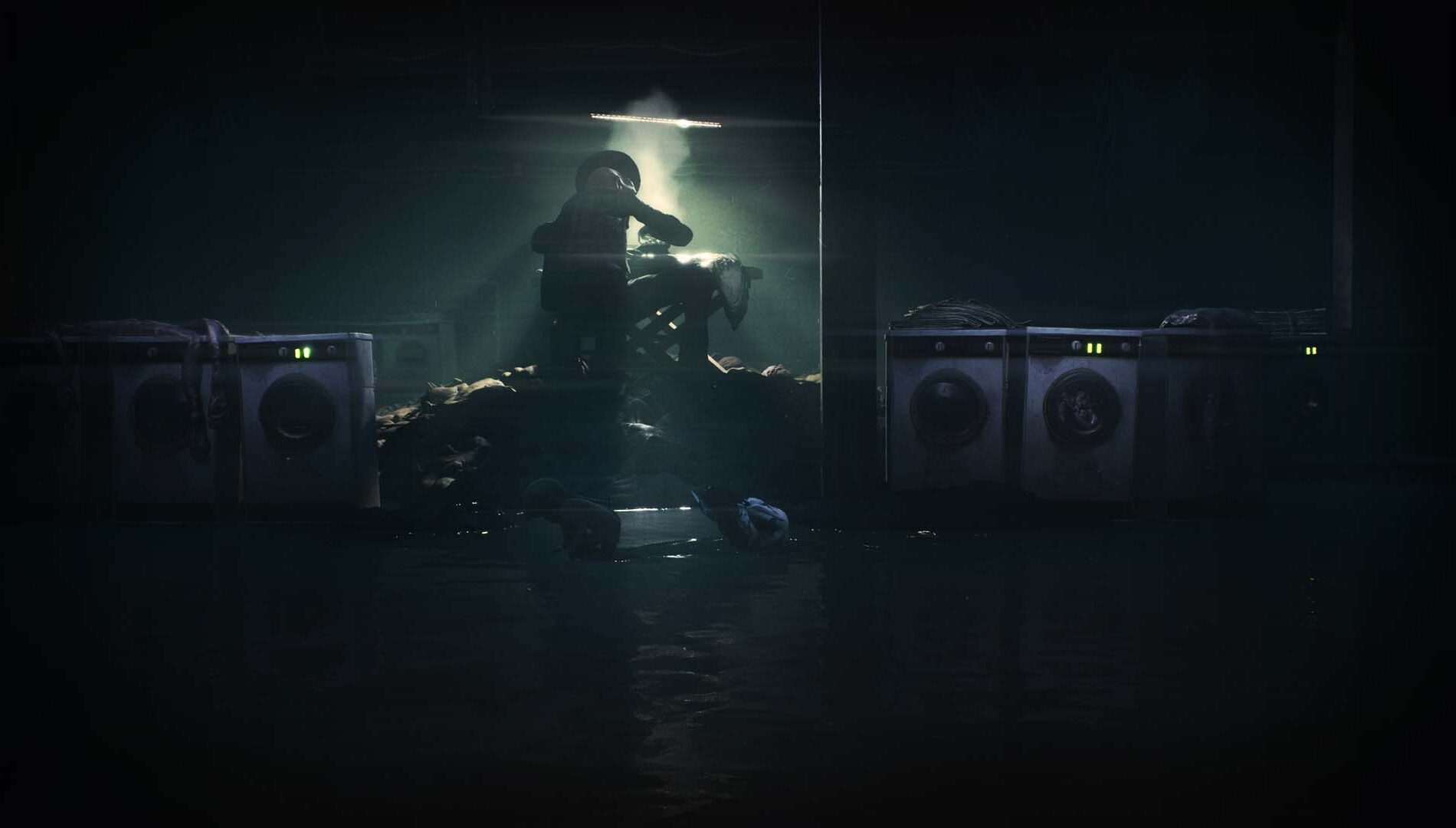
In Reanimal you and up to one other player control two small orphans, a nameless boy and girl, who find themselves on a drab, mysterious island full of ruined buildings and utterly nightmarish creatures that sort of resemble adult humans, but in the most unsettling and wrong way possible. Much like in Tarsier’s previous Little Nightmares games, you spend a lot of time actively hiding and hoping that some large, awful creature going about its weird and terrible business doesn’t notice you. Or nervously making your way through creepy spaces, doing some light puzzle-solving while expecting something to jump out at you at any moment. I found that I could only play in relatively short sessions, because the experience was so tension-inducing.
Since they are once again making a game about small children navigating a big and terrifying world, I asked Andreas and David about their formative experiences with horror.
“In Sweden, all of us have been brought up with Astrid Lindgren,” said Johnsson, “and it’s not horror, per se, but it’s horrific stories about kids, but also very gripping and moving and heartwarming stories.” Both of them mentioned “Jaws” and “Alien” as important early movies, which stood out to me as films famous for their restraint, often at their best when building tension about what you don’t see, rather than what you do. Johnsson in particular saw “Alien” “way too young” at around 10 on a sleepover with friends. Mervick, however, had us both beat when it came to stories about scary movies at inappropriate ages:
“This isn’t a story I’ve told many people outside of my family, but probably my earliest memory is I grew up around Liverpool, and there was a guy… It sounds so dodgy now, but for all of the kids’ parties, we’d get this guy, an old fella, who had a projector and a projection screen, and he would just set up his projector, and we’d all sit in front of it, and he’d show clips of movies, except some of them were terrifying.
“We were watching the ‘Incredible Melting Man,’ when Quint gets eaten by the shark in ‘Jaws,’ and like that. But we were like six and seven and younger. Some of the most horrific things you’ve ever seen, like, you know, ‘Texas Chainsaw Massacre,’ ‘Driller Killer.’ He just had these clips, and you’d see it for like a minute. And the weirdest part of it was it was interspersed with, like, the dogs eating spaghetti from the ‘Lady and the Tramp,’ ’Pete’s Dragon,’ ‘Bedknobs and Broomsticks.’ It was just this big smushing together of stuff, and we loved him. We were begging our parents, ‘can we get the film guy?!’ And then you look back and I would not let that guy within inches of my kid, but we’re fine—we made it.”
Maybe the social setting of their early exposures is what helped inoculate them against horror better than me. I also just didn’t happen to have a lot of friends very into the genre growing up, and horror is a social experience for many people, as Johnsson and Mervick learned from releasing Little Nightmares.
Friends to the End
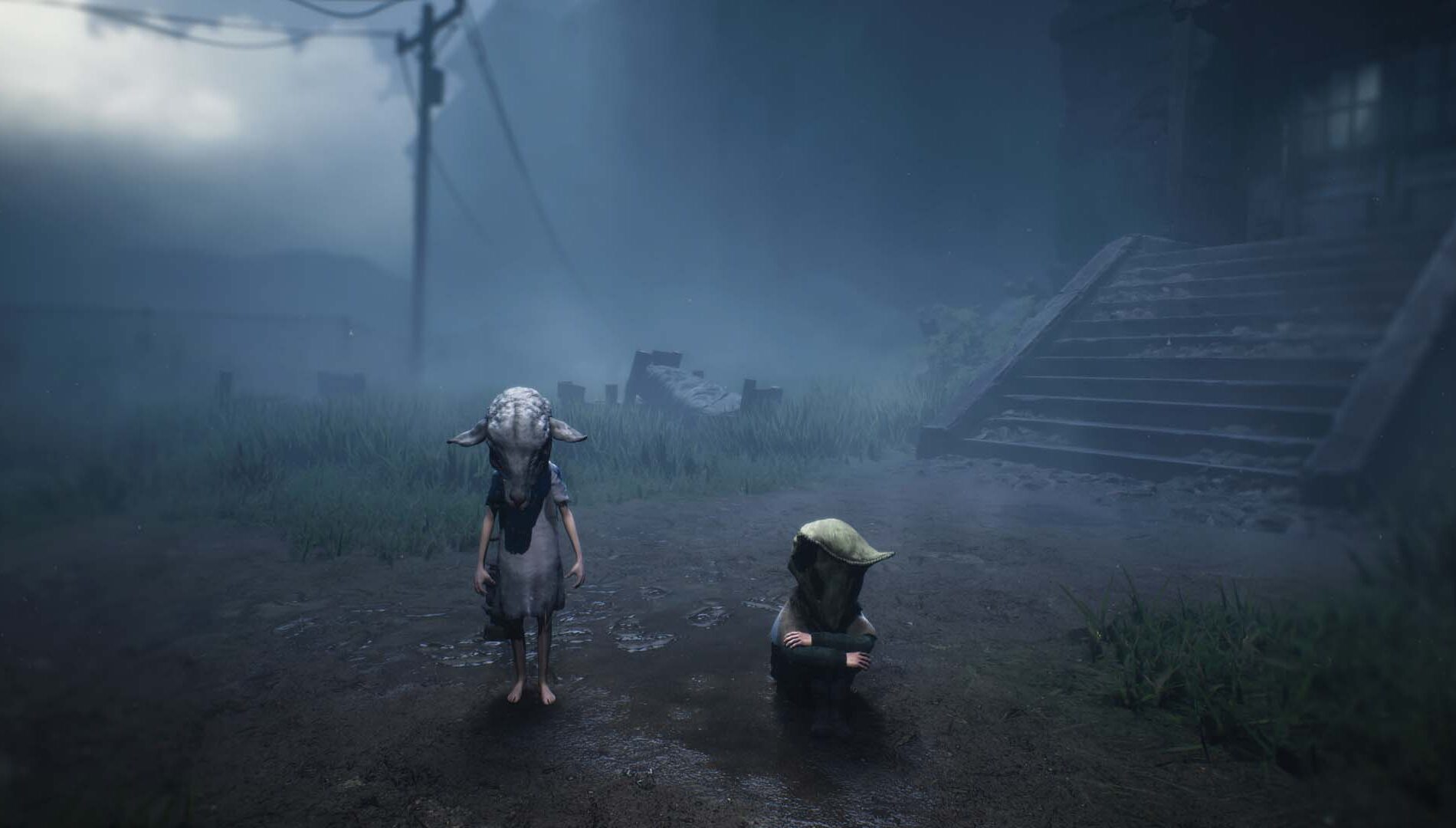
Andreas told me how the idea for co-op in Reanimal emerged from observing the community of players in the Little Nightmares games. “They talked about pass-and-play with their partner, or playing with their kid watching, and we saw that a lot of people really resonated with having someone else to experience the game with. Part of that is probably because it’s a bit tense, a bit scary, so you need some kind of way of relieving that, so it’s a great way of having someone with you that you can grab,” as Johnsson playfully pawed at Mervick’s shoulder from across the table and they laughed. “So, we really liked that idea of having something scary that you can actually play together, but also for people to be able to play alone as well. That came in quite early on in discussions about the game, and has obviously informed the whole thing. That’s a central pillar of Reanimal: being scared together”
An important key for maintaining that same experience whether you’re playing by yourself or with someone else is the camera. “When you play co-op, both local and online, it’s the same camera in all game modes,” Johnsson explained. “There’s no split-screen, and that was to enhance this pillar even more. It needs to be the same experience. It needs to be about these two characters—these two players—being scared together.”
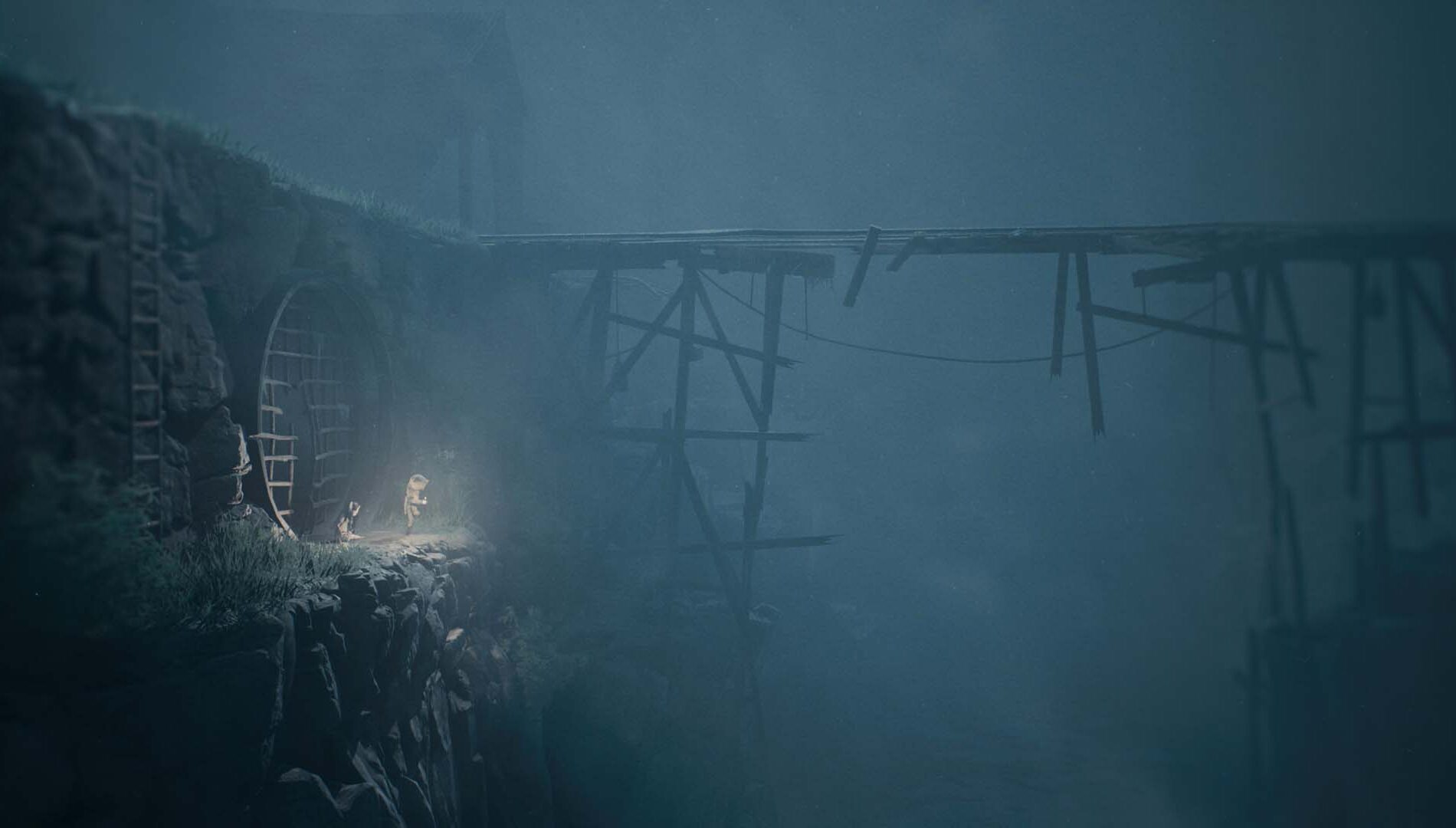
Mervick added that the camera was also one of the most important ways in which Reanimal is different from the Little Nightmares games, which had a mostly fixed, side-on perspective. “The camera was a big liberator this time around, because we weren’t confined to that dollhouse camera. Then you can only show scenes in a certain way, which isn’t always the best way.”
Reanimal’s camera is much more cinematic, sometimes pulled far back out to make the kids look insignificant against the imposing environment, sometimes pushed in claustrophobically close as danger looms nearby. The more free-ranging camera allows them to explore a wider range of “memorable moments” as they put it, describing one of the fundamental building blocks of their games, which are short, focused, and considered, so as to best respect the time of their players. Its more capable camera allows for every moment of the game to feel special and bespoke, without any repetitive gameplay filler for the sake of padding the playtime.
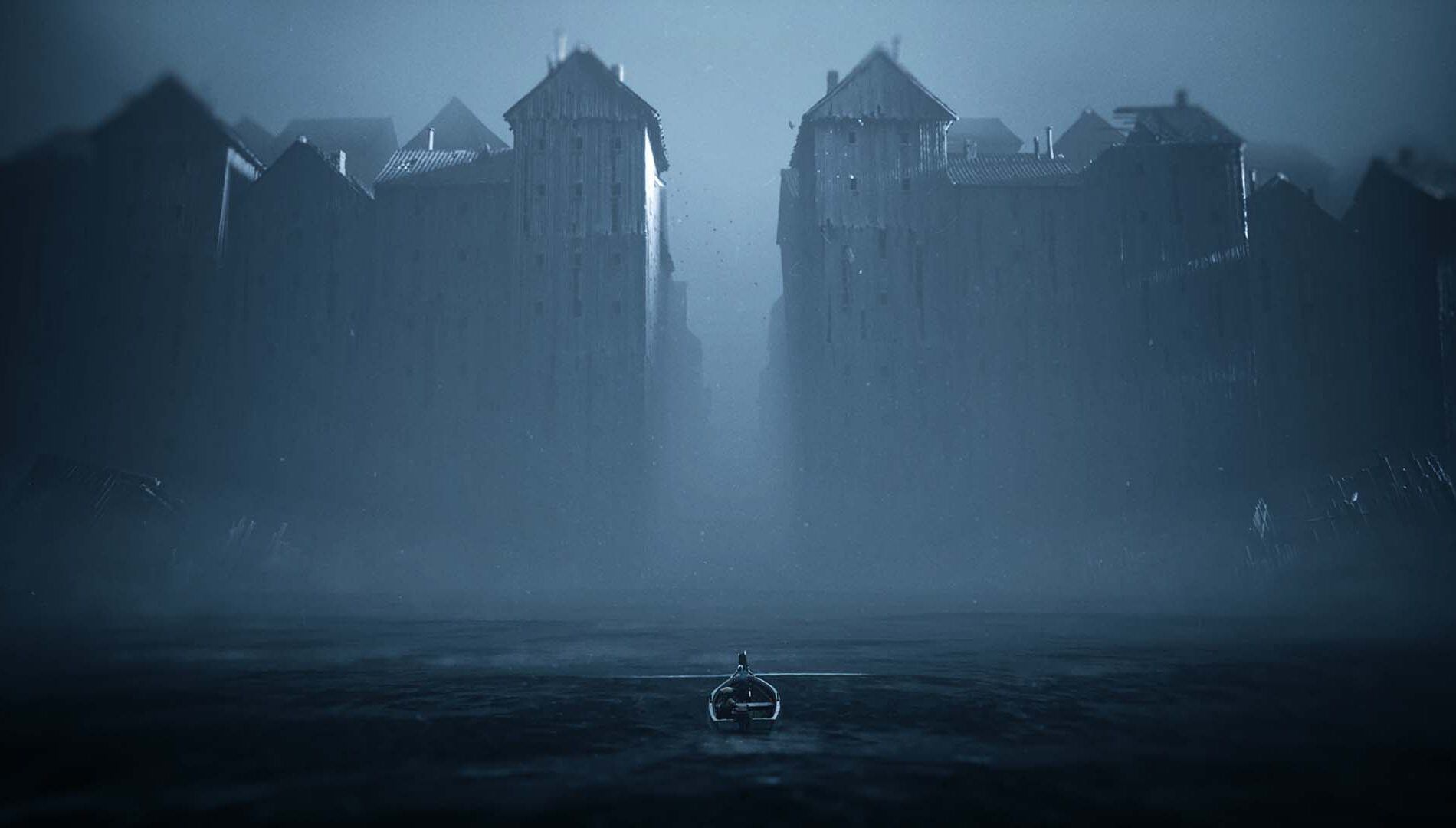
Exploring the Inland Empire
An unexpected cinematic evocation that came up several times in our conversation was the late, great filmmaker David Lynch, whom Mervick described as a big influence throughout his life. Growing up in the ’80s and ’90s, Mervick was the perfect age to be hit by “Twin Peaks,” which for him “is just this perfect combination of like, every-day, kitchen sink drama and some of the most dreadful stuff I’ve ever, ever experienced. ‘Fire Walk with Me’—I just think it’s a phenomenal horror movie, but so emotionally draining as well. It’s not just that kind of gore and constant trauma, which I think apart from ‘Texas Chainsaw Massacre’ doesn’t really work. But with ‘Fire Walk with me,’ you want to cry as much as you want to hide. I don’t think it did that well either, but I just think it’s one of the pinnacles, for me. Just the dread he can create out of nothing.”
I didn’t necessarily sense a lot of Lynch’s direct influence in the game itself (aside perhaps from the weird industrial spaces and monsters of “Eraserhead”), but I was struck by how much Lynch’s style of intuitive art-making informed Mervick and the studio’s approach to their work in general. Regarding his book of interviews, “Lynch on Lynch,” Mervick was struck by how “he said how you don’t know where an idea comes from, but you’ve got to grab it, because there’s a reason it’s come to you, and then you don’t know why you’re making all these artistic choices. I found that really inspiring, because it’s like letting the idea lead the way, rather than ‘here’s the next beat, and here’s the next thing that needs to happen if you’re a Joseph Cambell devotee,’ and all these things. And Lynch is instead like, ‘I thought of this while I was dreaming and it means something to me, and I don’t understand what that means to me yet, but I’m going to take that as what it is.’ Going on instinct.”
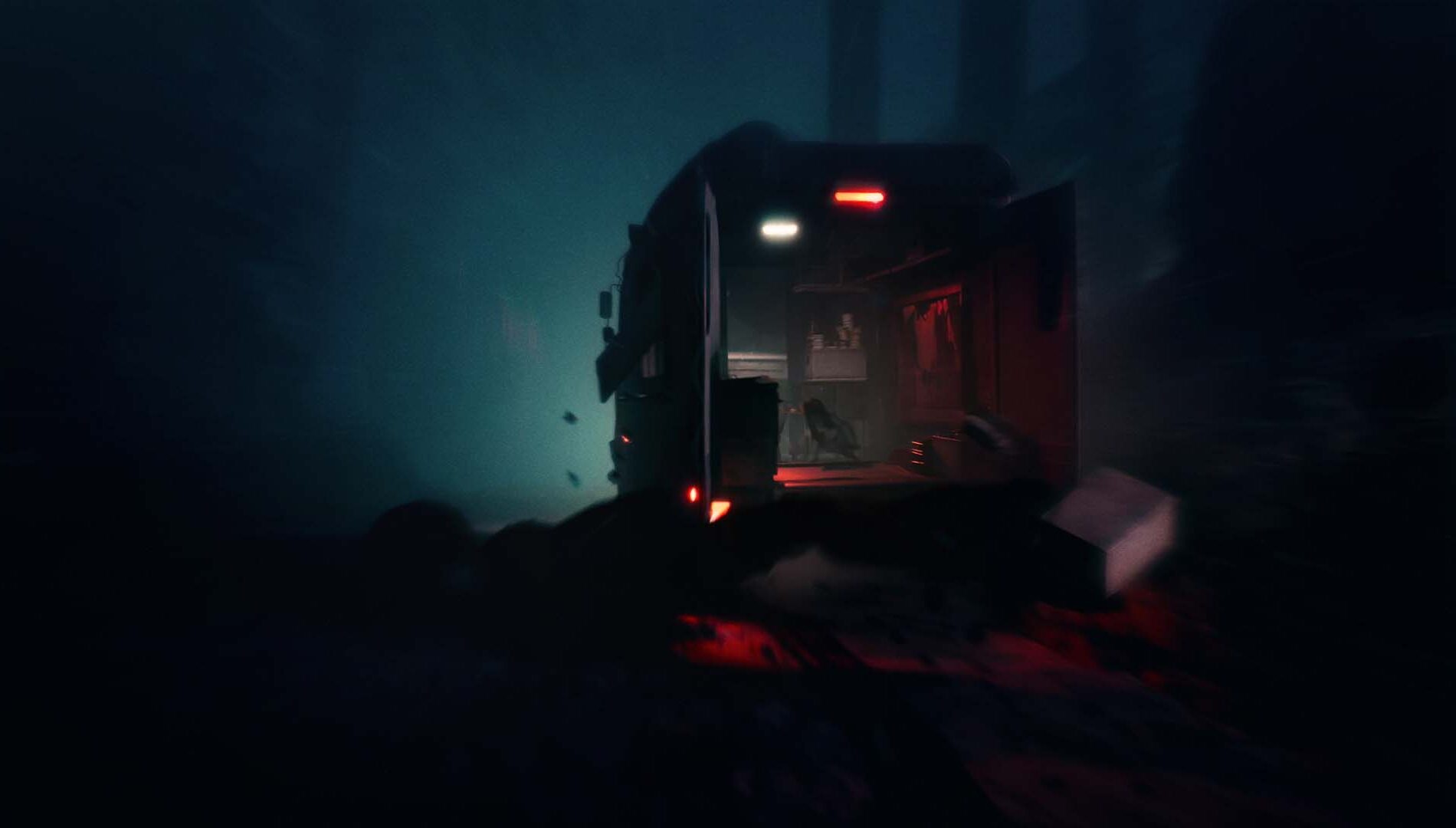
Commercial games, much like film, are typically a collaborative medium, and there’s a real skill to successfully navigating that kind of intuitive creative process not just as a solo artist, but as a whole team. “We’re a bunch of people, obviously, so you can’t just go ‘I’m doing this.’ You still have to listen to everyone, but there’s a whole bunch of things we’ve done where we don’t know one hundred percent why we love it, but we know we do. Animals themselves were one, like why do feel animals belong here, and in that form? Why is that resonating with people? But you’ve got to listen to it, you’ve got to listen to how people react to this stuff, because there’s something there. It’s very cool.”
Learning that the team at Tarsier made Reanimal under this sort of Lynchian ethos of trusting their intuition and not needing to explain everything, even and especially to themselves, made perfect sense with my experience of the game. I recently previewed the upcoming Resident Evil Requiem, which was also a lot of fun, but felt inspired by a fundamentally different universe of horror, all blood and guts and delightfully camp. Reanimal has the unsettling quality of a nightmare, where I don’t fully understand everything I’m seeing juxtaposed, but it’s hauntingly coherent and much more likely to wriggle into my subconscious, just like Lynch’s work.
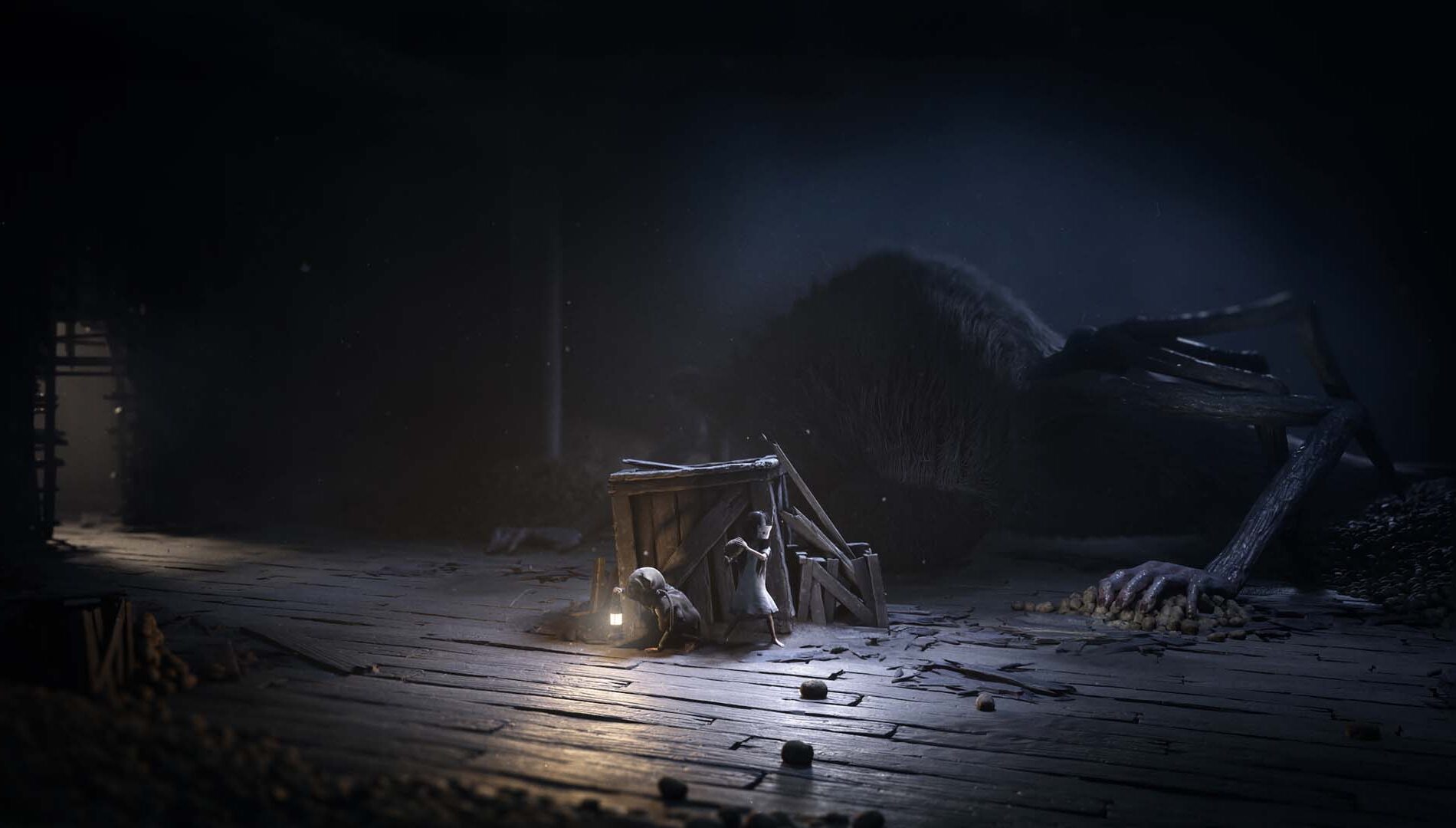
Reanimal enchanted me with its unsettling and evocative imagery and never stopped surprising me. At the start I’d never guess the places it goes, but in retrospect it all feels coherent and of a piece. I had a great time being scared by Reanimal by myself, and I look forward to doing it again with a friend soon, as soon as I can find someone up to be scared together with me.
Reanimal is available today on Xbox Series X|S and Xbox on PC, with support for Xbox Play Anywhere.
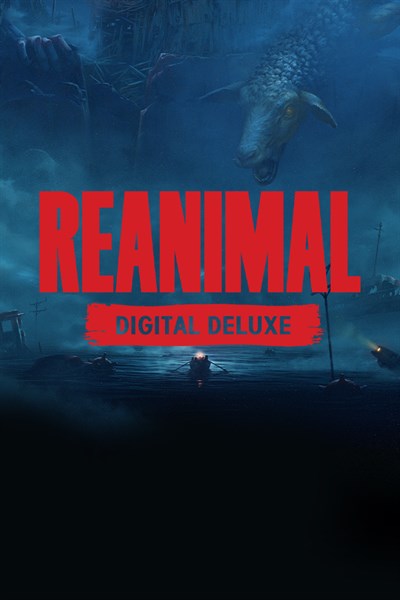

REANIMAL – Digital Deluxe Edition
THQ Nordic GmbH
$59.99
The End is only the beginning in this mystery horror adventure!
Get the Digital Deluxe Edition of REANIMAL to get the Season Pass for all three chapters of DLC that expand the world of REANIMAL. Uncover long dead secrets, and cast new light on old friends. The roots of violence go deep.
Disguise yourselves with the exclusive Foxhead and Muttonhead masks DLC. Friendship can be hell and sometimes a mask is the only protection!
Season Pass includes:
REANIMAL: Foxhead and Muttonhead Masks
REANIMAL: The Expanded World – Chapter 1 (Summer 2026)
REANIMAL: The Expanded World – Chapter 2 (Fall 2026)
REANIMAL: The Expanded World – Chapter 3 (Early 2027)
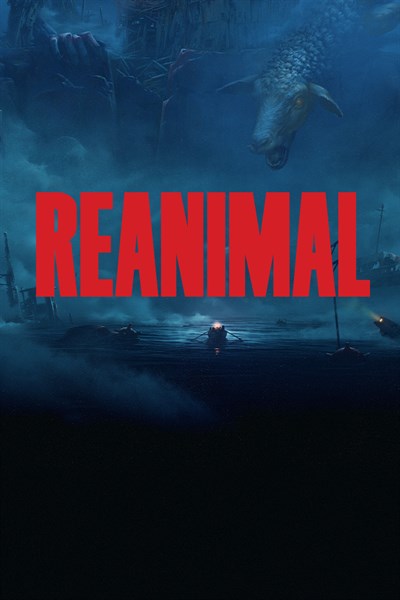
REANIMAL
THQ Nordic
$39.99
WHAT IS REANIMAL?
The original creators of Little Nightmares™ & Little Nightmares™ II have returned to take you on a more terrifying journey than ever before. In this co-op horror adventure game, you play as a brother & sister who go through hell to rescue their missing friends. Exploring by boat and on land, you must use your wits to survive, work together to escape the hellish island, and the dark secret that haunts you.
HORROR WITH HOPE
In this unsettling tale, the emphasis is on tension and thick atmosphere, as you join the two orphans on a desperate search for hope and redemption in the direst of circumstances.
ACROSS A DARK AND TWISTED WORLD
Traverse an intriguing but terrifying world, where the main path is only one part of the fragmented story. Discover all sorts of mysterious locations on your perilous journey, each with its own story to tell.
A DREAD-FILLED ADVENTURE
Tarsier Studios is bringing their unique visual style to bear on a whole host of new twisted monsters and broken, yet resilient, child characters. Fragments of the children’s troubled past have been used as inspiration for their character design, and for the monsters that now torment them.
SHARE THE SCARE
Nobody should be forced to go through hell alone! Fully playable in single player and local & online co-op, REANIMAL has a shared, directed camera, designed to maximise claustrophobia and tension.