dailynewsnblog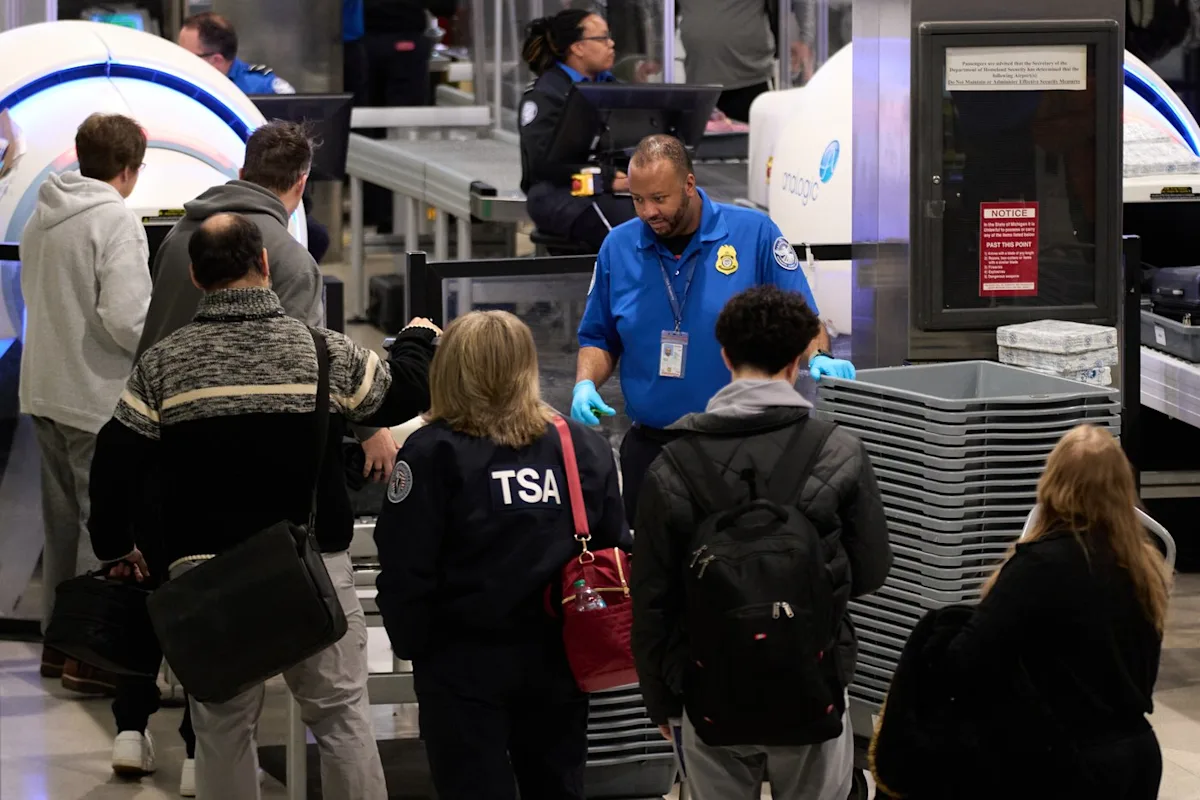
A shutdown of the U.S. Department of Homeland Security that took effect early Saturday impacts the agency responsible for screening passengers and bags at airports across the country. Travelers with airline reservations may be nervously recalling a 43-day government shutdown that led to historic flight cancellations and long delays last year.
Transportation Security Administration officers are expected to work without pay while lawmakers remain without an agreement on Homeland Security’s annual funding. TSA officers also worked through the record shutdown that ended Nov. 12, but aviation experts say this one may play out differently.
Trade groups for the U.S. travel industry and major airlines nonetheless warned that the longer DHS appropriations are lapsed, the longer security lines at the nation’s commercial airports could get.
Here’s what to know about the latest shutdown and how to plan ahead.
What’s different about this shutdown?
Funding for Homeland Security expired at midnight. But the rest of the federal government is funded through Sept. 30. That means air traffic controllers employed by the Federal Aviation Administration will receive paychecks as usual, reducing the risk of widespread flight cancellations.
According to the department’s contingency plan, about 95% of TSA workers are deemed essential personnel and required to keep working. Democrats in the House and Senate say Homeland Security won’t get funded until new restrictions are placed on federal immigration operations.
During past shutdowns, disruptions to air travel tended to build over time, not overnight. About a month into last year’s shutdown, for example, TSA temporarily closed two checkpoints at Philadelphia International Airport. That same day, the government took the extraordinary step of ordering all commercial airlines to reduce their domestic flight schedules.
John Rose, chief risk officer for global travel management company Altour, said strains could surface at airports more quickly this time because the TSA workforce also will be remembering the last shutdown.
“It’s still fresh in their minds and potentially their pocketbooks,” Rose said.
What is the impact on travelers?
It’s hard to predict whether, when or where security screening snags might pop up. Even a handful of unscheduled TSA absences could quickly lead to longer wait times at smaller airports, for example, if there’s just a single security checkpoint.
That’s why travelers should plan to arrive early and allow extra time to get through security.
“I tell people to do this even in good times,” Rose said.