dailynewsnblog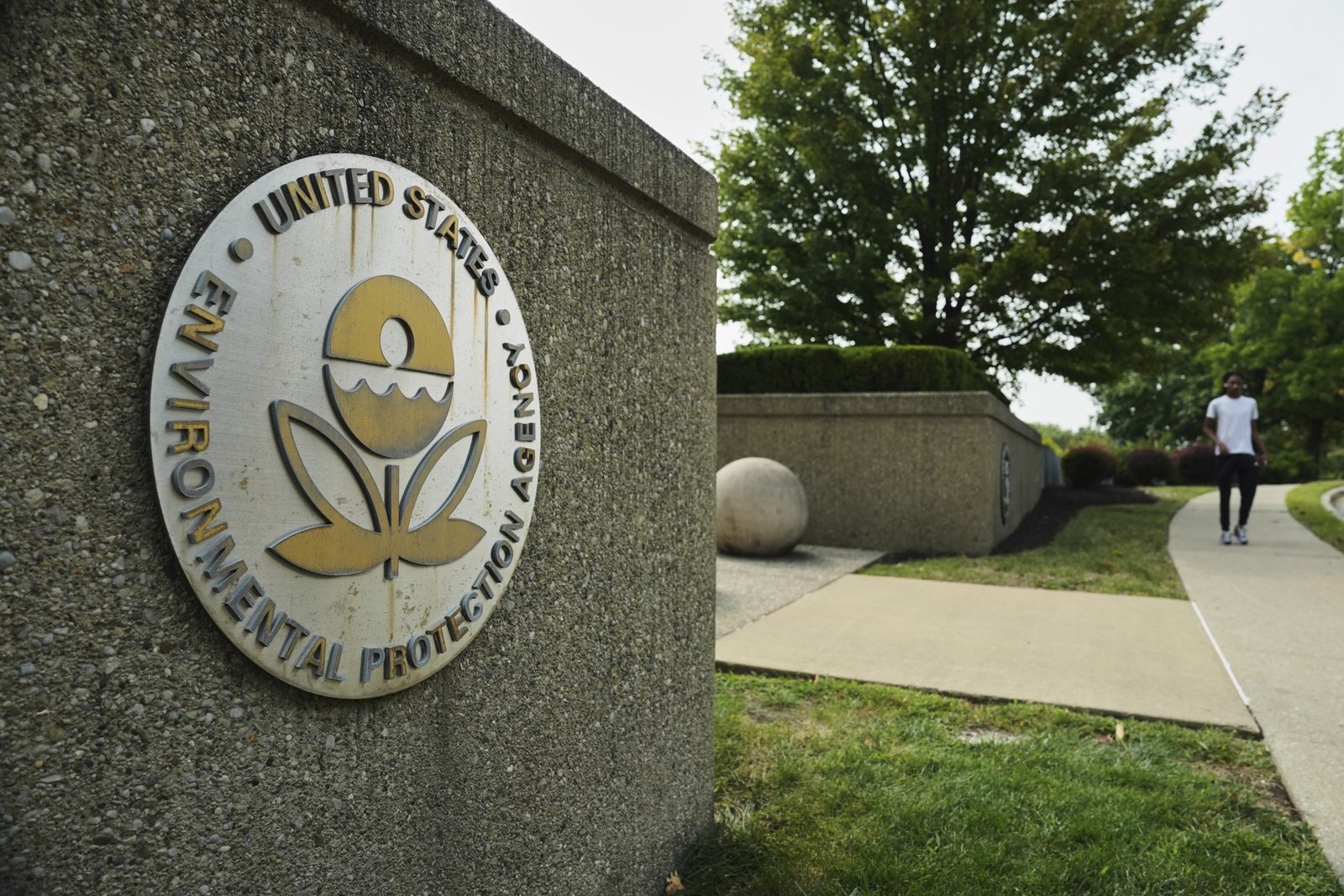
iPolitics explores how a U.S. decision to repeal a climate effort could rollback 75 years of U.S.-Canada harmonization of standards.
The Trump administration is moving to revoke the 2009 endangerment finding, a decision that will remove the legal foundation for the country’s greenhouse gas rules.
An expert is saying this move could set up a challenging regulatory divergence with Canada.
The 2009 finding was established under then president Barack Obama, underpinning a broad range of federal climate policies by empowering the Environmental Protection Agency to regulate six greenhouse gases through the Clean Air Act.
While this rollback poses as a blow to the U.S. climate efforts, Ian Lee, associate professor of Carleton University’s Sprott School of Business, said this announcement not only dismantled the legal foundation of U.S. emissions rules, but could also disrupt decades of regulatory alignment that have helped stabilize cross-border trade, or the “harmonization of standards regulation.”
Lee said this would create another barrier to trade between the two countries.
“Obviously, this is not good for the environment,” Lee said in an interview with iPolitics. “At the same time, it’s going to create uncertainty in trade across nations.”
U.S.’s rollback on the 2009 finding could weaken its federal emissions standards.
While U.S.’s lower standards could reduce compliance costs for American producers, this could be seen as good news for Canada, as the standards remain the same with other countries like the European Union, Japan, and South Korea, Lee said it will create a lot more “confusion” here.
He explained stricter standards are never cost-free, as they require additional labour, engineering and compliance, but they have historically driven improvements in safety and environmental performance.
Lee added that the rollback could rally more support and demands for trade diversification in Canada, a platform the Prime Minister has pushed.
“We’re going to have essentially dual standards, one set of higher standards in Canada, one lower set of standards in the U.S.,” he said. “This is going to enhance the argument that Prime Minister Carney is making … because other countries are not rolling back their standards, at least not yet.”
This emergence of dual standards could also potentially become part of the bargaining point for CUSMA talks, where it’s set to take place next month, he said.
Lee said it’s particularly important to address it so that the measure doesn’t become an “excuse” to discriminate against Canadian goods.
Lisa Baiton, president and CEO of Canadian Association of Petroleum Producers, said while the U.S. is a major energy trade partner, it is still the country’s closest competitor for investment.
“If Canada fails to keep pace, we will find ourselves at a major disadvantage in the global competition for capital,” Baiton wrote in a statement to iPolitics.
She said Canada should instead focus on “strengthening” the competitiveness of its key industries.
“With the right policy framework, Canada can compete effectively, navigate market cycles and succeed amid global volatility.”
Minister of Energy and Natural Resources Tim Hogdson said the Americans are taking an “unsustainable approach,” at a House committee appearance on Thursday.
“When capital providers look at the U.S. going from the IRA to the big, beautiful bill at the other extreme, you cannot allocate capital when you have that kind of seesawing in regulatory frameworks we’ve provided,” he said.
Spokesperson for the Minister of Environment, Climate Change and Nature Keean Nembhard said the office remains committed to protecting the environment and continues to follow these developments closely.
“We remain focused on working collaboratively with the United States,” Nembhard wrote.