dailynewsnblog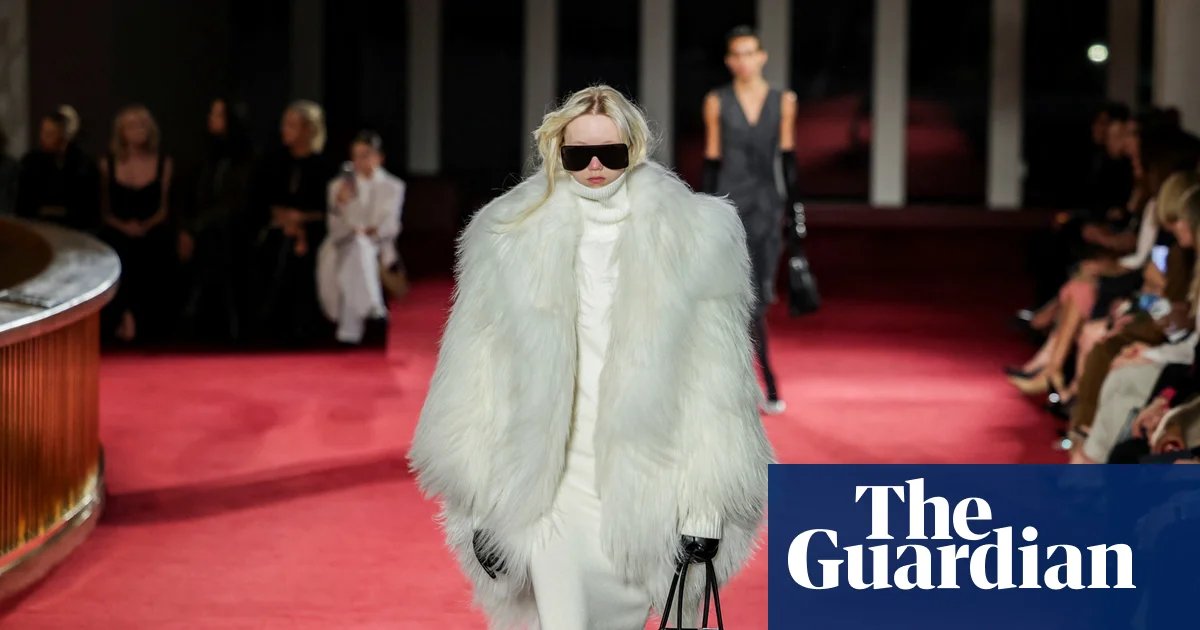
Five years ago, Covid prevented Michael Kors celebrating 40 years as a fashion designer, so nothing was going to stop him partying when that figure reached 45. “It’s crazy, I’ve been in fashion 45 years, but I’m only 32,” said Kors, 66.
The sweeping double staircase of the Metropolitan Opera House in New York became the catwalk for a fashion week show dedicated to the chic women of the city. On Kors’ best dressed list is the “amazing, remarkable” Rama Duwaji, the city’s first lady as wife of the mayor, Zohran Mamdani.
“The way she dresses takes me back to the first term of the Obamas, so smart and so chic,” Kors said before the show. “Before that time, a first lady portrait meant a suit with puff sleeves and a bow and some pearls, and then all of a sudden there was Mrs Obama, wearing a simple jersey dress with her arms bare. It was modern.”
Another “magical New York woman” on Kors’ list was Christy Turlington, who starred in the designer’s first advertisements as a teenage supermodel and, at 57, closed this show in caped, floor-length inky sequins. Carolyn Bessette Kennedy, back in the spotlight as the subject of a new Ryan Murphy drama, was on the mood board, along with Maria Callas – “the girl from Queens who became the greatest diva in the world”.
One man made Kors’ list of muses: “A$AP Rocky, because he is just the most glamorous New Yorker right now.” Uma Thurman, Leslie Bibb, Mary J Blige and Dakota Fanning were on the front row.
Backstage, Kors added another reason to celebrate. The Pride flag at the Stonewall Monument in Greenwich Village, which commemorates the 1969 Stonewall riot and the birth of the LGBTQ+ movement in the city, was taken down earlier this month under Trump administration orders. “That is criminal,” said Kors. Hours before his show, city officials raised the flag again. “In New York, we get back up and we push forward. That’s what we do. I am a born and bred New Yorker and proud. So let’s have a cheeseburger and a martini and listen to some piano music!”
Kors likes to take a good hard swing when he steps up to the plate. There were opera gloves, cummerbund-wrapped tuxedos and gowns with diva-ish sweeping trains. The theme of a night at the opera was soundtracked by Prokofiev’s Romeo and Juliet mixed with Sia’s Chandelier, Tchaikovsky’s theme from Swan Lake spliced with the Rihanna song Diamonds. Kors took his bow to Native New Yorker by Odyssey.
The Kors world is one that requires an “entrance maker” for evening. “It drives me crazy how boring people look when it’s cold. Ugly boots, a big nylon coat – ugh! In winter, your coat is your calling card,” the designer said before the show. His proposals: a white shearling to shrug over your little black dress, perhaps, or a portrait-collared, wine-hued cashmere pea coat (“I love something that frames the face.”) There were more sober looks – grey tailored trousers with a simple red sweater looked almost Prada-licious – but this was a jazz-hands kind of night.
But not everyone is in a party mood. New York fashion week is battling a challenging economic climate. Tariffs have wreaked havoc on global supply chains and consumer confidence. Saks Fifth Avenue filed for bankruptcy last month and on the first day of catwalk shows in the city, it announced the closure of eight Saks stores and one Neiman Marcus location. The largest single unsecured creditor is Chanel, which is owed $136m (£100m), but it is smaller independent brands that are hardest hit, with many uncertain of being paid for orders that have been delivered, and facing a season with no new Saks orders. The bankruptcy has thrown into sharp relief the vulnerability of an industry structure built around the once mighty department store model.
The bi-annual round of global fashion shows, which were devised primarily to serve the department stores who brought their chequebooks, are increasingly becoming a marketing opportunity for the megabrands who can afford them, and an unaffordable luxury for smaller designers.
Steven Kolb, the chief executive of the Council of Fashion Designers of America, listed “the Saks bankruptcy, tariffs, inflation, geopolitical tension” as difficulties to be overcome. “Despite the cold, despite tariffs, despite bankruptcy, people are going to show up with their best creative ideas like we always have,” he told Vogue.