dailynewsnblog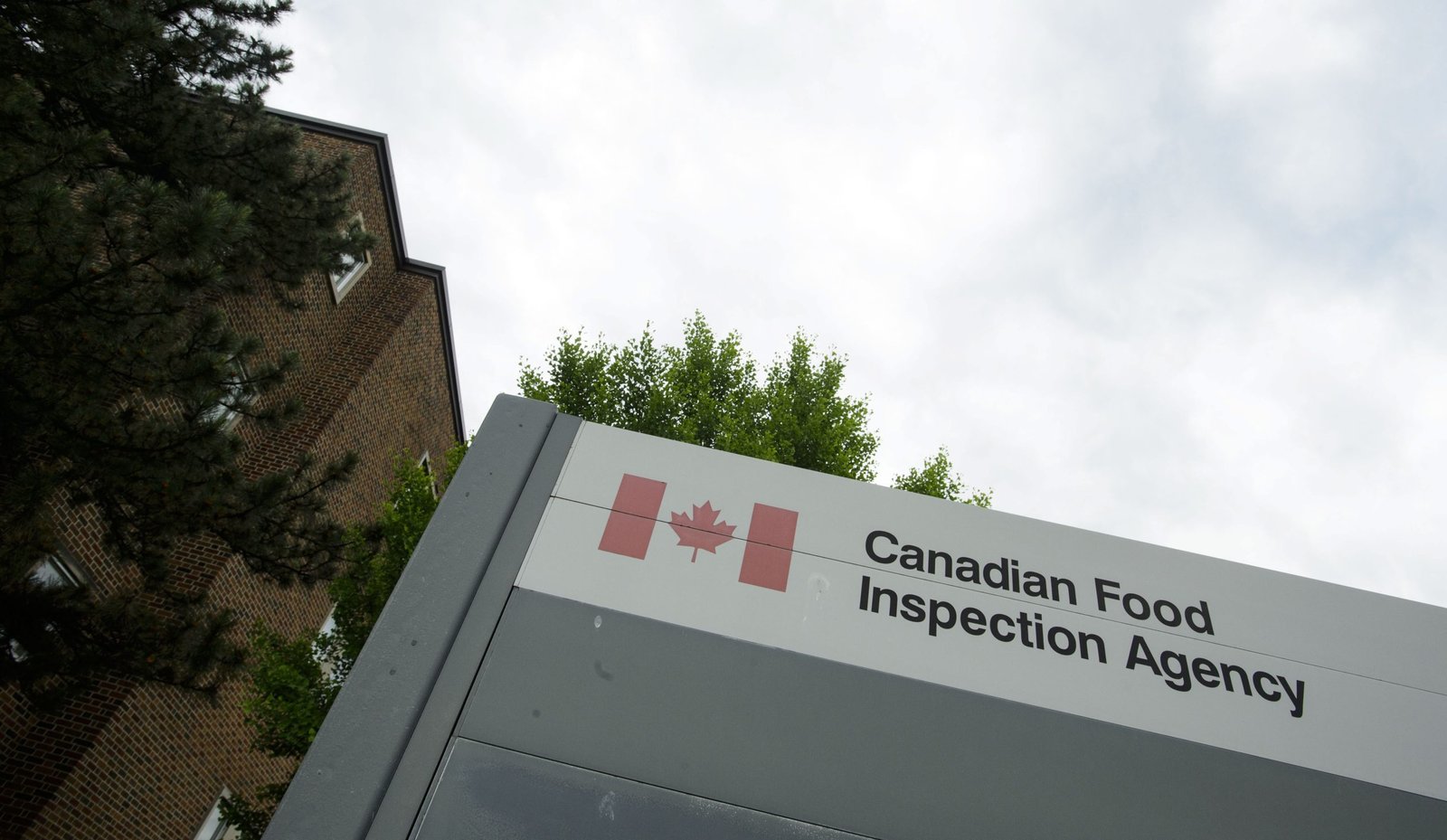
If these cuts continue, Canadians will not ask whether money was saved. They will ask why critical work was allowed to disappear, and why a system designed to keep them safe was allowed to erode — one inspection at a time.
Most of the time, the systems that keep our food safe are working quietly in the background. Families cook. Restaurants serve meals. A commuter grabs a sandwich at a corner store. Most of us never think about the inspections, testing, and monitoring that make that normalcy possible.
But when prevention fails, the consequences are immediate and human. People get sick. Hospitalizations follow. Sometimes, they die.
In Canada, food safety is overseen by the Canadian Food Inspection Agency, whose inspectors, scientists, and investigators work every day to identify risks, test food, trace contamination, and stop unsafe products before they reach people’s plates.
Food safety only becomes visible when it breaks.
As one example among thousands, a nationwide recall was recently issued for possible E. coli contamination in multiple varieties of Pizza Pops. These are not specialty products. They are inexpensive, widely distributed, and often eaten by children. They are packed into school lunches, served in cafeterias, or handed out as after-school snacks. The food did not look spoiled. Consumers could not see the risk. They never can.
Recalls like this are not unusual. Canada issues hundreds of food recalls and safety alerts every year, spanning everything from fresh produce and meat to frozen meals and packaged snacks. Most never become national news because they are caught early, contained quickly, and resolved before widespread harm occurs.
That quiet success depends on a team of experts tracing ingredients across suppliers and borders, testing samples, identifying where contamination occurred, verifying corrective actions, and ensuring unsafe products are fully removed from the marketplace. That work happens thousands of times a year across Canada’s food system, often quietly, often under tight timelines.
That system depends on people.
The federal government’s most recent cuts to the CIFA will eliminate close to one million hours of inspection, laboratory, and surveillance work every year.
Inspectors are already responsible for more facilities than can reasonably be covered. Many food processing sites are inspected far less often than intended. This is not a question of effort. It is a question of capacity.
As staffing has declined, the system has leaned more heavily on automated risk models, third-party audits, and industry self-reporting. These tools cannot replace trained inspectors, laboratory scientists, and investigators who verify conditions on site, test products, and follow contamination through real supply chains.
Food safety depends on people who understand how systems fail in practice, not just how they are supposed to function according to an algorithm.
The consequences are not theoretical. A Pickering food processing plant linked to a deadly listeria outbreak in 2023 had not been inspected by the CFIA for five years after an automated risk model based on third-party audits classified it as low risk. The CFIA only discovered the plant wasn’t even testing for listeria – after three people had died.
Canada invests roughly one billion dollars a year in food inspection and safety oversight to protect a food system that touches every household, every day. That investment supports prevention. Weakening it does not eliminate risk. It delays detection and shifts harm onto the public.
If these cuts continue, Canadians will not ask whether money was saved.
They will ask why critical work was allowed to disappear, and why a system designed to keep them safe was allowed to erode — one inspection at a time.
Sean O’Reilly is the president of the Professional Institute of the Public Service of Canada.
The views, opinions and positions expressed by all iPolitics columnists and contributors are the author’s alone. They do not inherently or expressly reflect the views, opinions and/or positions of iPolitics.