dailynewsnblog
We are now a few years into the AI revolution, and talk has shifted from who has the best chatbot to whose AI agent can do the most things on your behalf. Unfortunately, AI agents are still rough around the edges, so tasking them with anything important is not a great idea. OpenAI launched its Atlas agent late last year, which we found to be modestly useful, and now it’s Google’s turn.
Unlike the OpenAI agent, Google’s new Auto Browse agent has extraordinary reach because it’s part of Chrome, the world’s most popular browser by a wide margin. Google began rolling out Auto Browse (in preview) earlier this month to AI Pro and AI Ultra subscribers, allowing them to send the agent across the web to complete tasks.
I’ve taken Chrome’s agent for a spin to see whether you can trust it to handle tedious online work for you. For each test, I lay out the problem I need to solve, how I prompted the robot, and how well (or not) it handled the job.
Playing a web game
The problem: I want to get a high score on 2,048 without playing it myself.
The prompt: Go to [website], and play the game until you run out of moves.
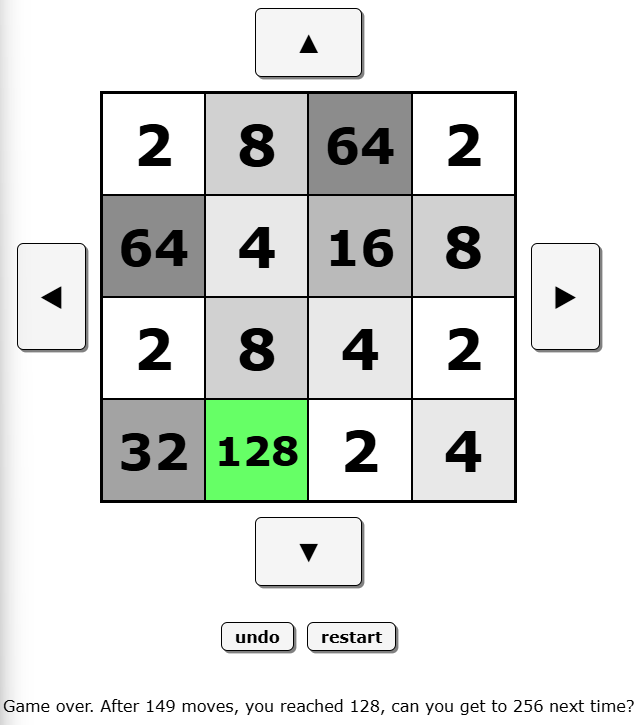
The results: Unfortunately, Auto Browse can’t use arrow keys. Google says they’re not necessary for productivity tasks. So I pointed the robot at a version of the game with on-screen controls. With access to those arrows, Auto Browse had no trouble playing the game, and it seemed to grasp the rules, which are listed on the page.
Credit:
Ryan Whitwam
Auto Browse can’t use arrows, but it can still play the game.
Credit:
Ryan Whitwam
On a few occasions, Auto Browse appeared to ruminate on its next move for 20 to 30 seconds, and it took the prompt very literally. The robot stopped when it could not successfully merge any tiles (its interpretation of “out of moves”) even though there were still empty spaces on the board. A human player would have taken the hit and set up a merge in the next move, but the robot had to be prompted to continue, which it did. The task ran for about 20 minutes, during which the robot created a 128 tile and made 149 moves.