dailynewsnblog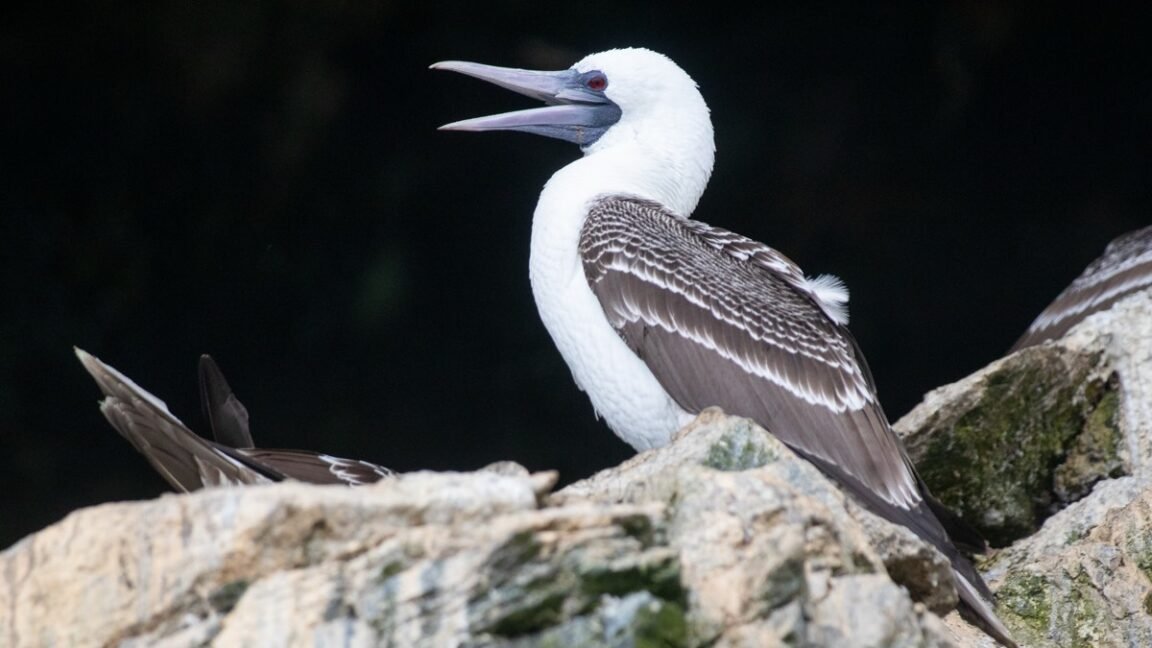
A nutrient-rich natural fertilizer
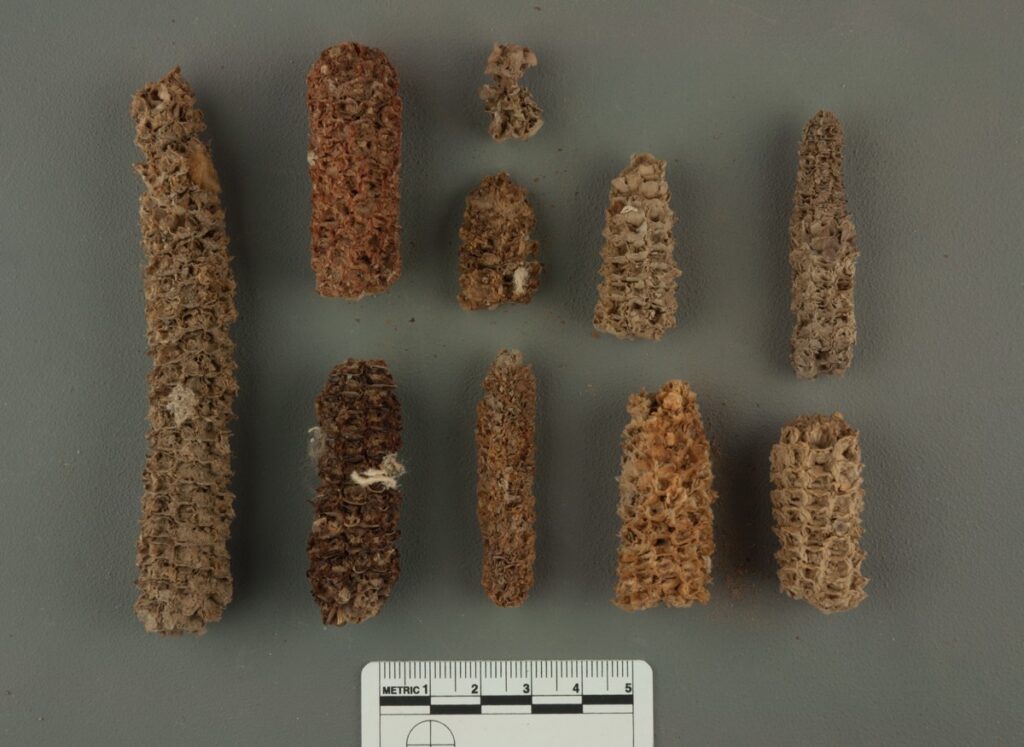
Now Bongers has turned his attention to analyzing the biochemical signatures of 35 maize samples excavated from buried tombs in the region. He and his co-authors found significantly higher levels of nitrogen in the maize than in the natural soil conditions, suggesting the Chincha used guano as a natural fertilizer. The guano from such birds as the guanay cormorant, the Peruvian pelican, and the Peruvian booby contains all the essential growing nutrients: nitrogen, phosphorus, and potassium. All three species are abundant on the Chincha Islands, all within 25 kilometers of the kingdom.
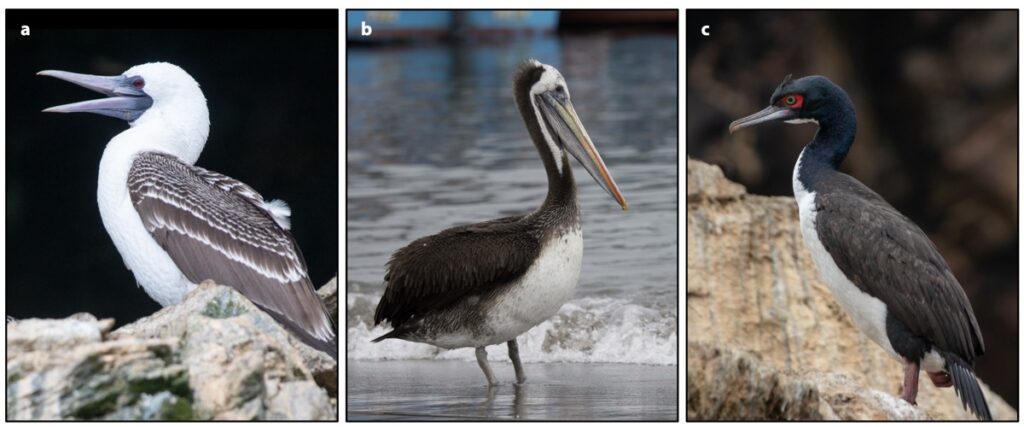
Diego H. and Claude Kolwelter, iNaturalist.org
“We’re all looking for the birds who did this.”
Diego H. and Claude Kolwelter, iNaturalist.org
C. O’Shea
Maize cobs from a tomb in the middle Chincha Valley in Peru.
C. O’Shea
“We’re all looking for the birds who did this.”
Diego H. and Claude Kolwelter, iNaturalist.org
Maize cobs from a tomb in the middle Chincha Valley in Peru.
C. O’Shea
Public domain
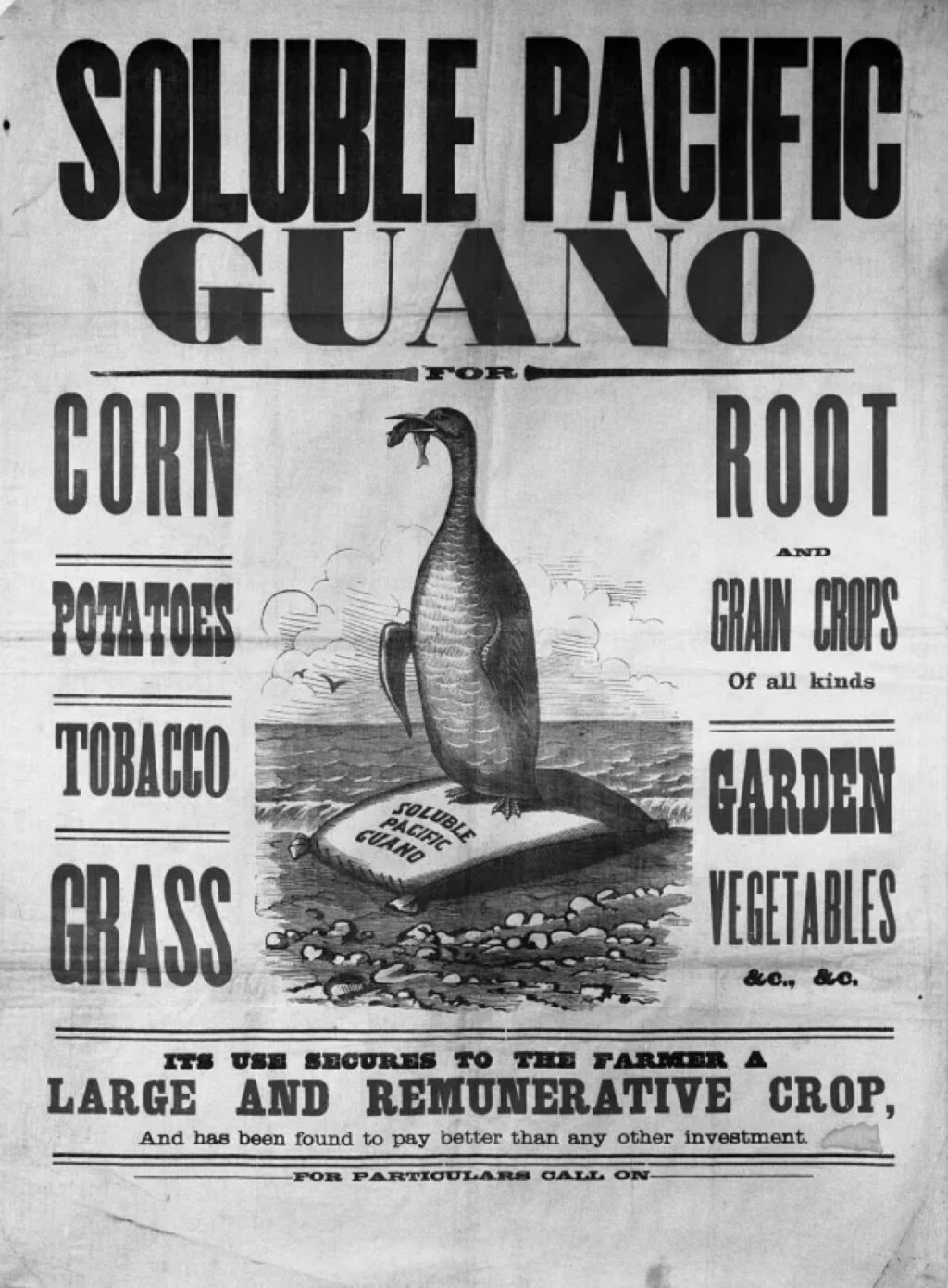
19th century poster advertising the sale of Pacific seabird guano in the US.
Public domain
19th century poster advertising the sale of Pacific seabird guano in the US.
Public domain
Those results were further bolstered by historical written sources describing how seabird guano was collected and its importance for trade and production of food. For instance, during colonial eras, groups would sail to nearby islands on rafts to collect bird droppings to use as crop fertilizer. The Lunahuana people in the Canete Valley just outside of Chincha were known to use bird guano in their fields, and the Inca valued the stuff so highly that it restricted access to the islands during breeding season and forbade the killing of the guano-producing birds on penalty of death.
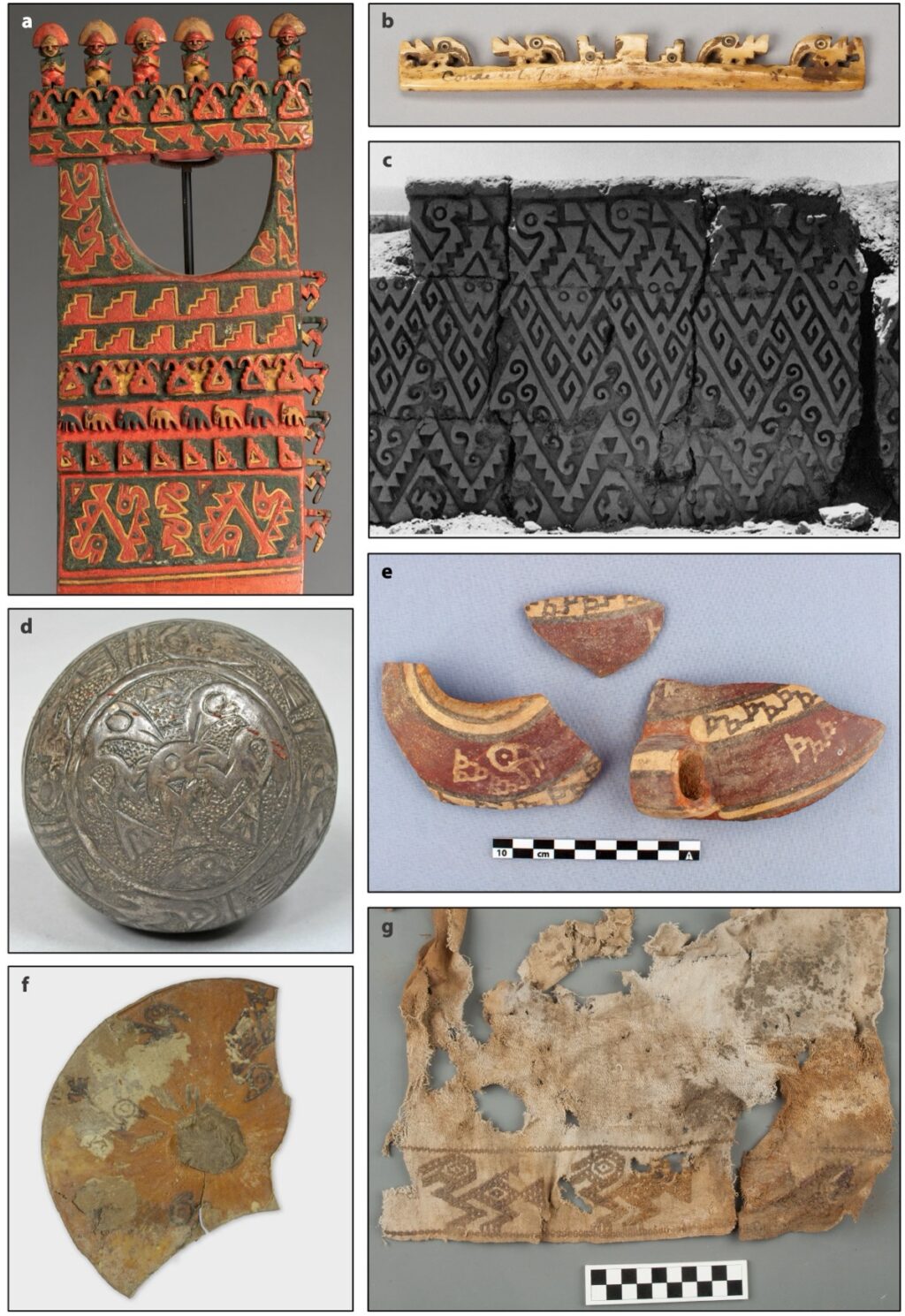
The 19th-century Swiss naturalist Johann Jakob von Tschudi also reported observing the guano being used as fertilizer, with a fist-sized amount added to each plant before submerging entire fields in water. It was even imported to the US. The authors also pointed out that much of the iconography from Chincha and nearby valleys featured seabirds: textiles, ceramics, balance-beam scales, spindles, decorated gourds, adobe friezes and wall paintings, ceremonial wooden paddles, and gold and silver metalworks.
“The true power of the Chincha wasn’t just access to a resource; it was their mastery of a complex ecological system,” said co-author Jo Osborn of Texas A&M University. “They possessed the traditional knowledge to see the connection between marine and terrestrial life, and they turned that knowledge into the agricultural surplus that built their kingdom. Their art celebrates this connection, showing us that their power was rooted in ecological wisdom, not just gold or silver.”
PLoS ONE, 2026. DOI: 10.1371/journal.pone.0341263 (About DOIs).