dailynewsnblog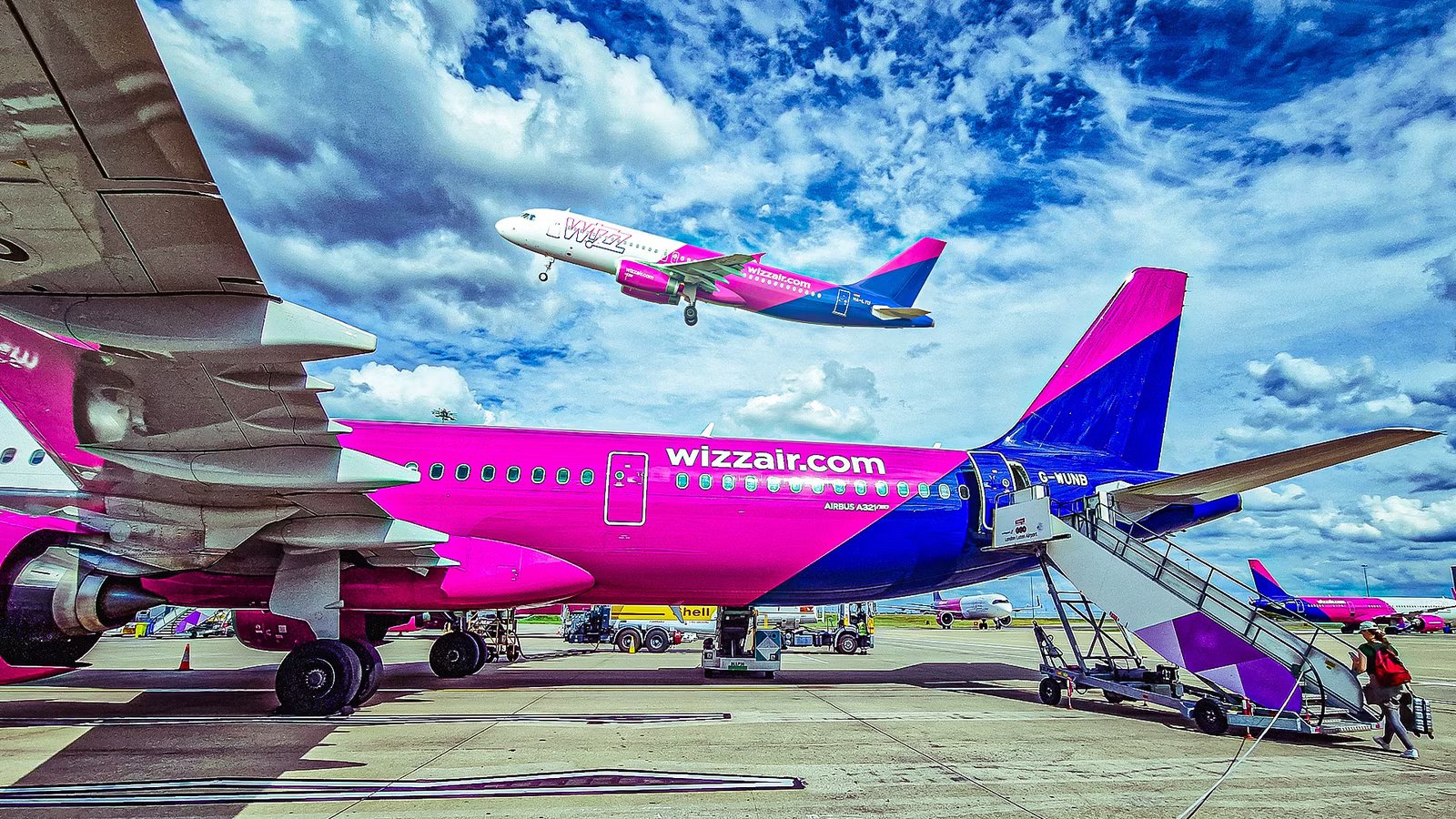
European low-cost carrier Wizz Air has officially become the United Kingdom’s most complained-about airline on a per-passenger basis, slowly edging past Ryanair in the Civil Aviation Authority’s latest dispute-resolution complaint statistics. Using complaints escalated to the CAA’s approved Alternative Dispute Resolution bodies and its Passenger Advice and Complaints Team, the regulator’s data set for this year, which has been analyzed by Simple Flying, puts Wizz Air in the lead, and it is not even close.
The airline averaged 918 complaints per million passengers last year, a number surprisingly exceeding Ryanair’s figure of just 188. While the numbers here do not capture every customer gripe, they do spotlight just how quickly service recovery can erode a low-fare brand, especially in situations where disruption, refunds, and compensation pile up and spill into formal adjudication for UK-linked flights this year.
An Overview Of This Unique Data

According to The Mirror, these data points come from quarterly complaints releases, which convert reported incidents of passenger unhappiness and requests for compensation into an estimated complaints per million passengers figure, which is an indicative measure. It is important that this methodology is somewhat statistically flawed, as it is based on passenger volumes from the prior quarter. In 2025, Wizz Air recorded 10,548 total cases opened and the highest complaint rate in the nation, with 47% of these complaints upheld by the regulator. Average passenger payouts as a result of these complaints exceeded $800.
Ryanair, by contrast, saw around the same number of cases opened, but a significantly lower per-million complaints rate. Fewer Ryanair complaints were actually upheld by regulators, with just 28% approved for compensation.  British Airways actually saw a very similar per-million complaints rate as Ryanair, but a far higher 83% of those complaints were actually approved for compensation by regulators. Across all this, Wizz Air emerged as the obvious leader.
What Does All Of This Mean For Wizz Air?

For Wizz Air, sitting on top of this league table comes with a reputational hit in a market where price-led loyalty is relatively thin and social media amplifies pretty much every report of a travel delay, baggage dispute, or denied refund. This can weaken the airline’s bargaining position with airports and partners. The data also implies higher costs for the airline, with more time spent assembling files for compensation disputes and ultimately payouts to passengers.
A 47% uphold rate suggests that around half of adjudicated cases end in the customer’s favor, which can pressure cash flow and increase provisions for European Union-style compensation payouts. More importantly, elevated escalations invite even further regulator attention, especially in a post-COVID, Labour government-managed CAA era where regulators have been quick to side with passengers.
The CAA has previously said that it has significant concerns with the way Wizz Air handles complaints, backlogs, and even the volume of court judgments, so another poor showing risks further scrutiny and thus forced operational fixes. This all leads to faster claims triage, clearer disruption communications, and fewer disputes that bypass the airline’s own channels.

Wizz Air Says P&W Engine Issues Will Continue Until End Of 2027
The issues mean that Wizz Air currently has nearly a quarter of its next-generation Airbus fleet parked for maintenance.
Surprisingly Good News For Ryanair

Being overtaken by Wizz Air is a surprisingly comfortable headline for Ryanair, which has typically sat at the bottom of most customer-sentiment measures in the UK. Its complaint rate per mission passenger was far below that of Wizz Air’s, and very few of its customer compensation cases were upheld. This is decent ammunition for Ryanair’s marketing team to highlight that anyone who claims it is the most complained-about carrier in the UK is rather wrong.
Nonetheless, the data is not all sunshine and rainbows for the carrier. Let’s not forget that the airline had more than 10,000 cases showing a large absolute volume of disputes, which carries administrative costs and can weaken trust among infrequent flyers. Strategically, Ryanair can use this to position itself as a slightly more reliable low-cost option.
The airline looks to push clearer policies, faster self-service issue resolutions, and ultimately fewer cases reaching the CAA in the first place. It is still important to note that, just because the key takeaway from this data is not “Ryanair is the worst,” it does not imply it is free from issues.