dailynewsnblog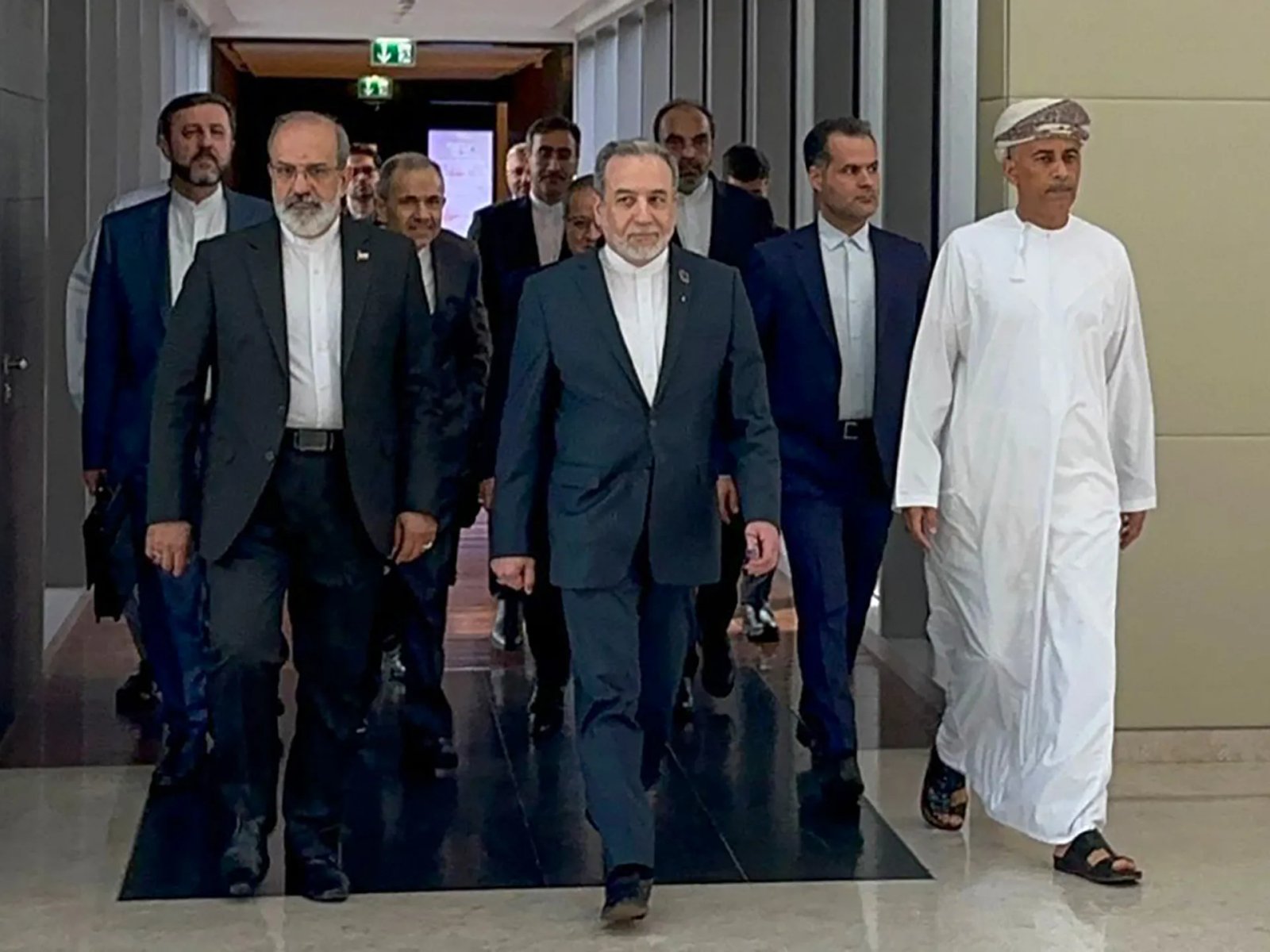
Tehran, Iran – Iranian authorities have described the latest talks with the United States as “positive”, but the mediated negotiations in Oman offered no roadmap to alleviate growing fears of a US attack.
Iran’s team in Muscat on Friday was led by Foreign Minister Abbas Araghchi, while Washington sent special envoy Steve Witkoff and President Donald Trump’s son-in-law Jared Kushner. US Central Command chief Brad Cooper, the most senior commander in the region, also joined the US delegation.
Recommended Stories
list of 3 itemsend of list
Speaking to Iranian television in Muscat after the talks finished, Araghchi said the indirect effort was “a good start” but that a decision on how to proceed with the next rounds would be taken after “consulting with the capitals”.
But Araghchi cautioned that there was a climate of “mistrust” since the US military attacked Iran’s nuclear sites when it briefly joined Israel’s 12-day war with Iran in June, days before a sixth round of similarly mediated indirect talks had been scheduled.
Oman’s Foreign Minister Badr bin Hamad Al Busaidi met with the US and Iranian sides separately multiple times on Friday and conveyed messages between the teams.
“It was useful to clarify both Iranian and American thinking and identify areas for possible progress,” he said, adding that the aim is to “reconvene in due course”.
Consultations “focused on creating appropriate conditions for the resumption of diplomatic and technical negotiations”, according to a statement from Oman’s Foreign Ministry.
The talks in Muscat took place after a tumultuous week that saw Washington position the USS Abraham Lincoln supercarrier and supporting warships and fighter jets near Iranian waters and strengthen air defences in bases used by the US military across the region, while also shooting down an Iranian drone.
US President Donald Trump, in recent weeks, has repeatedly threatened to attack Iran if it does not reach a new agreement with the US on several issues.
Red lines
The US wants Iran to fully abandon enriching uranium, even at the 3.67 percent civilian-use rate agreed under the landmark 2015 nuclear deal with world powers that Trump unilaterally abandoned in 2018. Iran used to enrich up to 60 percent before its main nuclear facilities were destroyed or significantly damaged by US bombs in June.
Washington also wants to limit the range of Iran’s ballistic missiles – the main tool in the country’s arsenal – and ensure that Tehran’s aligned armed groups in Iraq, Lebanon, Yemen and Syria will no longer receive any military or financial support.
Several European powers have expressed support for the US demands, as has the far-right government in Israel, which wants to undermine a substantive military rival in the region.
But the Iranian government has repeatedly emphasised that it will only negotiate on nuclear issues to lift sanctions and de-escalate, saying that discussions on missiles or any other subject were a red line. As Araghchi reiterated on Friday, it also wants the US threats of war to end.
Iranian commanders have also said they remain highly prepared for a regional-scale war, and the Islamic Revolutionary Guard Corps (IRGC) on Thursday showed a new test launch of one of the country’s top ballistic missiles.
Iranian Press TV said the Khorramshahr-4 missile, capable of reaching Israel and US bases across the region, was put on a mobile launcher taken out from an underground base.
Yadollah Javani, the political deputy for the IRGC, said that “unveiling the missile means that although we have sat down at the negotiating table, we will not give up our military power”.
‘Conditions more severe than war’
People in Iran are closely following the developments.
But there are fewer signs of the cautious optimism seen during five rounds of previous negotiations held last year in the lead-up to the 12-day war with Israel.
Soroush, a Tehran resident, told Al Jazeera he hopes the negotiations can lift the shadow of war hanging over Iran.
“War not only brings fear and anxiety, but also doubles the economic pressure,” he said, as the country deals with one of the highest inflation rates in the world.
But another resident, Maryam, said she believes the negotiations will not succeed “and will definitely lead to war”, due to clashing positions of the two sides.
Angered by the unprecedented killings of thousands during last month’s nationwide protests and frustrated by a prolonged state of unpredictability and pressure, some are actually welcoming a military escalation.
“War is not a good thing, but the conditions we are living in now are, in many ways, larger and more severe than war itself,” said Amir from the capital. “I don’t think that with war, something worse than what already exists will happen.”
The Iranian government says that 3,117 people were killed during the protests, and that “terrorists” and “rioters” were to blame, not state forces. It also released a controversial list of victims this week that has only raised more questions.
The United Nations and international human rights organisations say they have documented widespread use of lethal weapons by state forces, as well as attacks on hospitals and medical staff helping wounded protesters. Rights groups say the actual death toll is likely far higher than the official figure.