dailynewsnblog
Parkinson’s disease is a long-term neurological condition that gradually worsens over time. More than one million people in the United States are living with the disease, and about 90,000 new diagnoses are made each year. While current treatments can ease symptoms, there is still no cure and no therapy proven to slow the disease itself.
A central feature of Parkinson’s disease is a drop in dopamine levels in the brain. Dopamine is a chemical messenger that plays a critical role in movement, memory, mood, and other essential functions. As dopamine-producing brain cells are progressively lost, the brain struggles to properly control movement, leading to symptoms such as tremors, muscle stiffness, and slowed motion.
Testing a New Stem Cell Approach
Researchers at Keck Medicine of USC are now exploring a new strategy through an early phase clinical trial. The study is testing whether specially prepared stem cells can be safely implanted into the brain to replace damaged cells and restore dopamine production.
“If the brain can once again produce normal levels of dopamine, Parkinson’s disease may be slowed down and motor function restored,” said Brian Lee, MD, PhD, a neurosurgeon with Keck Medicine and principal investigator of the study.
What Makes These Stem Cells Different
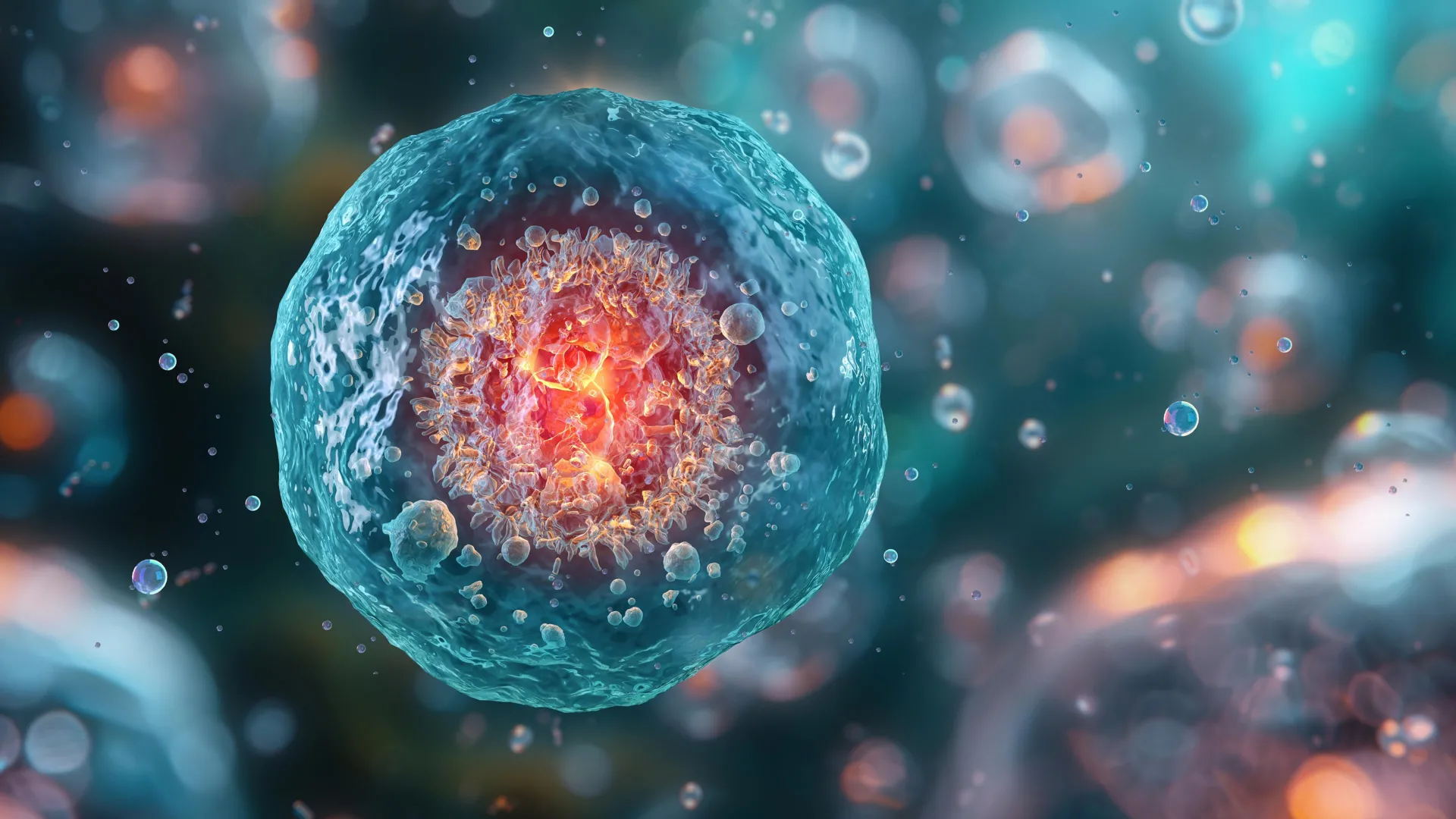
The treatment uses a newer type of laboratory-created stem cell known as induced pluripotent stem cells (iPSCs). Unlike embryonic stem cells, iPCSs are created from adult cells such as skin or blood cells. These cells are reprogrammed into a flexible state that allows them to develop into many different cell types.
“We believe that these iPSCs can reliably mature into dopamine-producing brain cells, and offer the best chance of jump-starting the brain’s dopamine production,” said Xenos Mason, MD, a neurologist at Keck Medicine who specializes in Parkinson’s disease and serves as co-principal investigator of the study.
How the Procedure Works
During the surgical procedure, Lee creates a small opening in the skull to reach the brain. Using magnetic resonance imaging (MRI) for guidance, the stem cells are carefully implanted into the basal ganglia, a brain region that plays a key role in controlling movement.
Following surgery, patients are closely monitored for 12-15 months. Doctors track changes in Parkinson’s symptoms and watch for potential side effects, including dyskinesia — excess movements — or infection. Long-term follow-up will continue for up to five years to assess safety and outcomes over time.
“Our ultimate goal is to pioneer a technique that can repair patients’ motor function and offer them a better quality of life,” Lee said.
Trial Details and Oversight
Keck Medicine is one of three sites in the United States taking part in the clinical trial. The multisite study includes 12 participants with moderate to moderate-severe Parkinson’s disease.
This announcement is intended to share information about Keck Medicine’s research involvement and is not soliciting participants.
The stem cell therapy, known as RNDP-001, is produced by Kenai Therapeutics, a biotechnology company focused on developing treatments for neurological diseases. The U.S. Food & Drug Administration has granted the Phase 1 REPLACE™ clinical trial fast-track designation, a status that helps speed the development and review process.
Disclosure: Mason has received an honorarium payment from Kenai Therapeutics in the past.