dailynewsnblog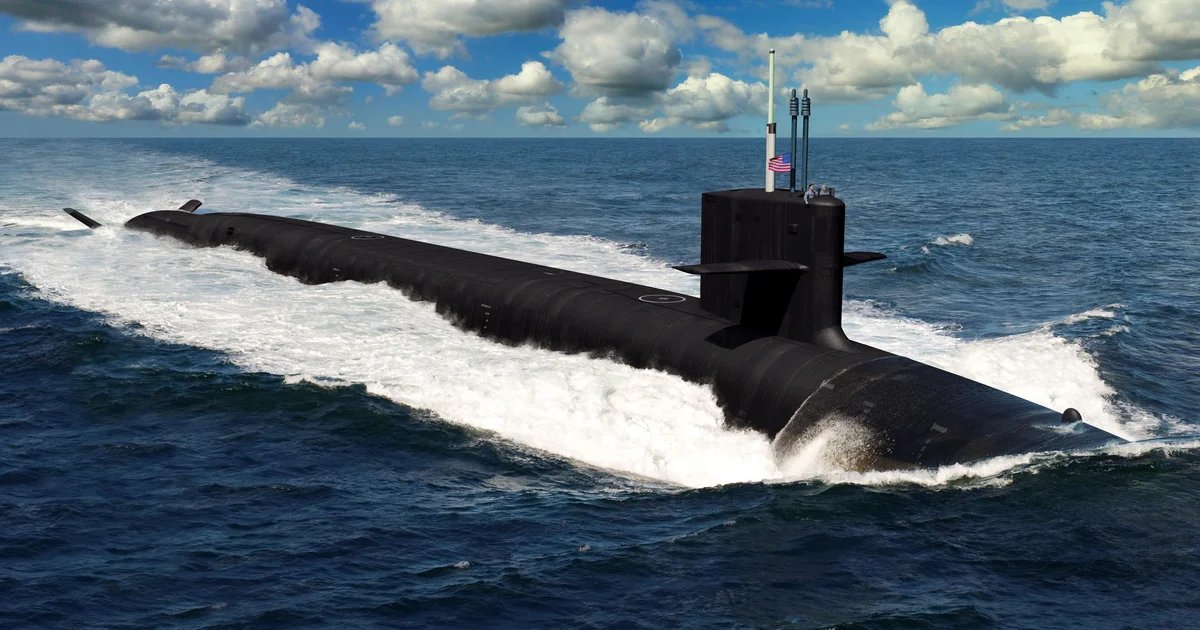
The last remaining treaty between the U.S. and Russia that limits the number of deployable nuclear weapons expired Thursday, marking the end of decades of arms control agreements between the two countries with the largest nuclear arsenals in the world.
The New START Treaty, signed in 2010 by the U.S. and Russia, limited the number of deployed strategic nuclear weapons to 1,550 on each side and required on-site inspections and notifications to ensure both superpowers were complying with the agreement.
Russia stopped providing notifications and suspended inspections during the war in Ukraine but is estimated to not have significantly exceeded the required caps, according to the State Department’s latest report released last month.
Former President Joe Biden in 2021 extended the treaty for five years, but it cannot be extended further.
In January, President Trump told The New York Times “if it expires, it expires,” indicating he could let the treaty lapse. A White House official told CBS News the president will decide a path forward on nuclear arms control “which he will clarify on his own timeline,” and he has indicated he would like to keep limits on nuclear weapons and involve China in future arms control talks.
Secretary of State Marco Rubio said Wednesday that it’s “impossible” to come to an agreement without China “because of their vast and rapidly growing stockpile.” The Pentagon has estimated China will have over 1,000 nuclear weapons by 2035, up from around 200 in 2019.
The newly-expired treaty was a bilateral agreement between the U.S. and Russia, which have about 4,300 and 3,700 nuclear warheads respectively, according to the Federation of American Scientists.
Russian President Vladimir Putin in September suggested both sides should abide by the parameters of the treaty without signing another deal for a year, which former Under Secretary of State for Arms Control Rose Gottemoeller told senators was a viable option.
“It should be Donald Trump who gets to be the president of nuclear peace in this case, not Vladimir Putin,” Gotttemoeller testified Tuesday before the Senate Armed Services Committee. She argued that continuing to keep New START limits in place for another year would enable the U.S. “to reestablish strategic stability with Russia and control nuclear weapons at the negotiating table.”
Retired Adm. Charles Richard, the former head of U.S. Strategic Command, and Tim Morrison, a former deputy assistant to the president for national security affairs during the first Trump administration, disagreed, arguing that the treaty did not address several pressing concerns.
All three of the former officials agreed the treaty was not perfect, in part, because it didn’t account for China and didn’t constrain non-strategic nuclear weapons, like tactical nuclear weapons, but Goettmoeller told senators it was better than nothing.
“My bottom line is that it does not serve U.S. national security interests to have to address the Chinese nuclear buildup while simultaneously facing a rapid Russian upload campaign,” Gottemoeller said.
Now that the treaty limiting the U.S. and Russia has expired, each of the officials raised concerns about other countries exploring their own nuclear programs in the future even if they’re not actively pursuing them now.
“I don’t think you can understate the risk of proliferation,” Morrison told senators.
Morrison said the U.S. stockpile is aging and emphasized that effective nuclear deterrence requires sustained investment.
“By 2035, 100% of U.S. nuclear weapons, the warheads and bombs themselves, will have exceeded their design lives by an average of 30 years,” Morrison said. “The only means to reliably enforce compliance with arms treaties is to be able to threaten that failure to comply will be met with a compelling response.”
U.S. Navy illustration 
And to deploy the weapons effectively, the U.S. needs to boost its defense industrial base, the former officials all agreed, especially when it comes to building Columbia-class submarines that will make up the sea-based part of the nuclear triad.
“I think the numbers are insufficient on all portions of the triad, particularly on the bomber and the ballistic missile submarine leg,” said Richard, the retired admiral formerly in charge of U.S. Strategic Command. “There are additional capabilities that we should consider in addition to the recapitalization of the triad and increasing the capacity inside the triad.”