dailynewsnblog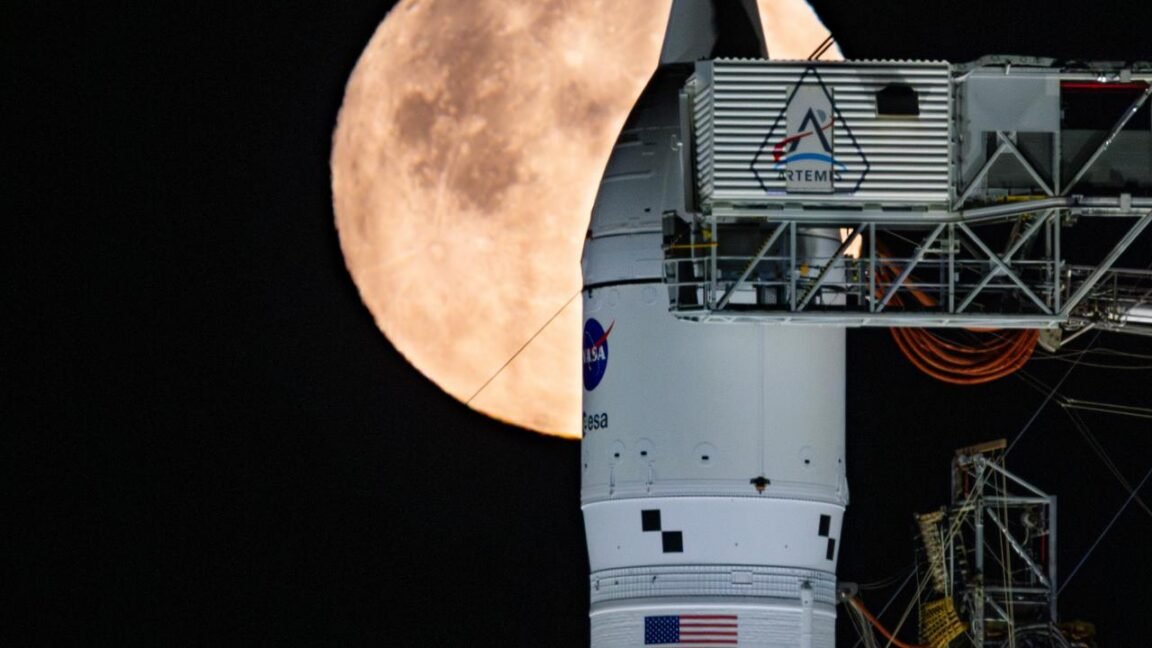
The Space Launch System rocket program is now a decade and a half old, and it continues to be dominated by two unfortunate traits: It is expensive, and it is slow.
The massive rocket and its convoluted ground systems, so necessary to baby and cajole the booster’s prickly hydrogen propellant on board, have cost US taxpayers in excess of $30 billion to date. And even as it reaches maturity, the rocket is going nowhere fast.
You remember the last time NASA tried to launch the world’s largest orange rocket, right? The space agency rolled the Space Launch System out of its hangar in March 2022. The first, second, and third attempts at a wet dress rehearsal—elaborate fueling tests—were scrubbed. The SLS rocket was slowly rolled back to its hangar for work in April before returning to the pad in June.
The fourth fueling test also ended early but this time reached to within 29 seconds of when the engines would ignite. This was not all the way to the planned T-9.3 seconds, a previously established gate to launch the vehicle. Nevertheless mission managers had evidently had enough of failed fueling tests. Accordingly, they proceeded into final launch preparations.
The first launch attempt (effectively the fifth wet-dress test), in late August, was scrubbed due to hydrogen leaks and other problems. A second attempt, a week later, also succumbed to hydrogen leaks. Finally, on the next attempt, and seventh overall try at fully fueling and nursing this vehicle through a countdown, the Space Launch System rocket actually took off. After doing so, it flew splendidly.
That was November 16, 2022. More than three years ago. You might think that over the course of the extended interval since then, and after the excruciating pain of spending nearly an entire year conducting fueling tests to try to lift the massive rocket off the pad, some of the smartest engineers in the world, the fine men and women at NASA, would have dug into and solved the leak issues.