dailynewsnblog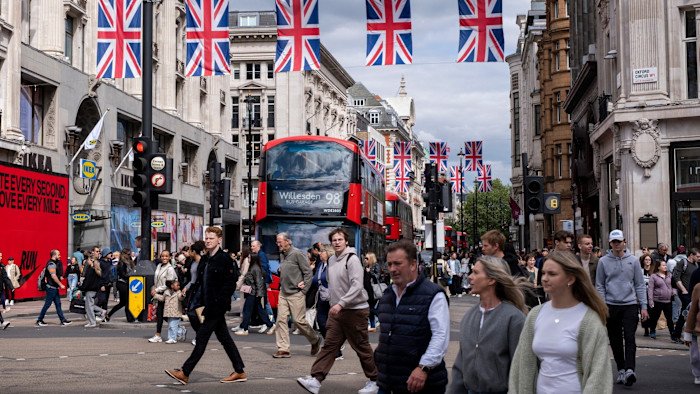
Unlock the Editor’s Digest for free
Roula Khalaf, Editor of the FT, selects her favourite stories in this weekly newsletter.
As Britain’s Labour government stumbles from one political crisis to another, the economic mood has been brightening. Business sentiment surveys are trending up, consumer confidence is emerging from a trough, job vacancies are no longer declining, GDP growth in November exceeded expectations and both retail sales and the public finances performed strongly in December. These individual data points come at a time when household debt has fallen to its lowest point for over two decades and there was reasonable productivity growth in 2025.
I do not want to puncture the brighter mood, but many of the signs of encouraging economic data are just monthly movements in volatile series. To secure a strong and durable recovery, the prerequisite is healthier consumption since it accounts for roughly 60 per cent of GDP. It has fallen 15 per cent below the subdued trend it was on in the 2010s. While spending growth has stagnated, real incomes have risen modestly since the pandemic, leaving the rate of household saving close to 10 per cent late last year, a level rarely seen in the UK this century outside recessions.
As Catherine Mann, external member of the Bank of England’s Monetary Policy Committee, has documented, other countries have not had similarly depressed consumption patterns. Yet, the economics profession contains many competing theories for why people are so reluctant to spend.

Mann emphasised the scarring nature of the post-pandemic inflation shock. In October, she called for interest rates to stay higher for longer to ensure inflation was firmly brought under control. “Then, households can return to their normal consumption-savings behaviour,” she said. There is evidence to support her argument, but high and volatile post-Covid inflation was far from just a UK phenomenon, so the British savings response still is not adequately explained.
An alternative theory is that higher interest rates themselves encouraged saving rather than spending. Again, this story does not quite account for the UK being an outlier. There are many explanations. Younger people are having to save more to finance homes that have become less affordable with higher mortgage rates. Interest income has gone mostly to older people, who have higher savings and less responsive consumption. And the overriding public narrative about the UK economy has been relentlessly negative.
The important thing is to note that none of these theories is mutually exclusive. They have all probably contributed to higher savings rates.
When you ask people, as the BoE has, they have many different reasons for saving more. The top answers were that they wanted to rebuild savings at a time when they had greater worries about future emergencies, they were saving for a deposit or another big purchase, they had higher incomes and they enjoyed higher rates of interest. In GfK’s consumer confidence index, households have been consistently far more positive about their own finances than the general economic situation, highlighting the likely influence of the national mood on spending.
The good news is that most of the competing causes of high UK savings are falling away. Time is the great healer of post-pandemic inflation scars and on Thursday, the BoE will forecast price rises coming rapidly back to its 2 per cent target this spring. Interest rates have fallen and the BoE thinks the peak impact of tighter monetary policy is now in the past. The Financial Conduct Authority also loosened restrictions on mortgages and lenders are responding. And as the MPC becomes confident it has beaten inflation, it will reduce rates further.
The national mood has not quite changed. But so long as the UK economy manages to survive 2026 without a new crisis, we should expect British consumers to rediscover their mojo.
chris.giles@ft.com