dailynewsnblog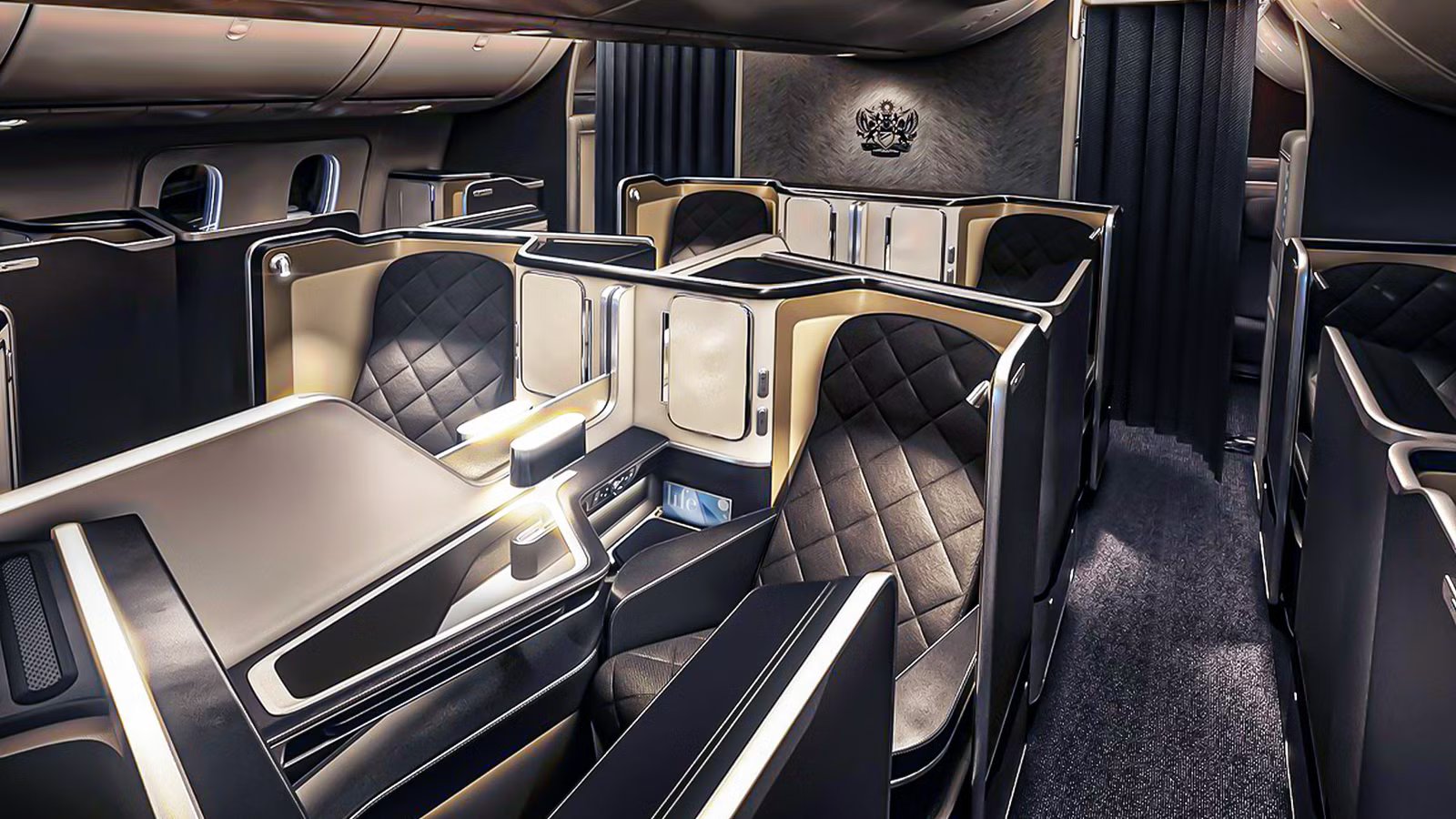
For premium travelers, the question whether a first class ticket is worth the investment often comes down to the tangible benefits provided both on the ground and in the air. Flying first class with  British Airways represents the pinnacle of the airline’s service, offering a level of exclusivity and comfort that distinguishes it from the already high standards of their Club World business class.
British Airways is in the midst of a massive £7 billion ($9 billion) transformation program aimed at modernizing its entire passenger experience. This article provides a comprehensive look at the current and upcoming benefits of British Airways First, from the seamless transition through the First Wing at  London Heathrow Airport to the debut of the brand-new Airbus A380 First Suite. We will explore how these perks stack up against modern luxury standards, examining the specific amenities, baggage allowances, and exclusive ground services that define the airline’s flagship offering.
A More Private Experience

The primary benefit of flying first class with British Airways is a significantly more refined and low-friction journey, characterized by exclusive ground access and a more intimate cabin environment. While the onboard seat may not always dwarf the latest Club Suite in terms of pure functionality, the first ticket buys you entry into a more private ecosystem, including the First Wing security and the Concorde Room. For many, the true value lies in the dine-on-demand service and the higher crew-to-passenger ratio, which aims to provide a more personalized, less industrial feel than business class.
On the ground, the experience is designed to bypass the traditional check-in process through a dedicated check-in area that leads directly to a private security lane. This landside to airside transition can take as little as 6 minutes during off-peak times, a benefit often cited as the product’s strongest selling point. Once onboard, the cabin usually has only 8 to 14 seats, offering a level of quiet and attentiveness that is difficult to find in the much larger business class cabins that can hold upwards of 50 passengers.
Historically, British Airways First has occupied a unique niche, often being labeled by critics as the world’s best business class rather than a true competitor to the ultra-luxe suites of Middle Eastern or Asian carriers. This distinction is rooted in the airline’s strategy of offering a more accessible first experience that focuses on traditional British service and convenience for transatlantic hops. As the airline moves forward, it is attempting to shed this reputation by introducing even more exclusive features, such as the new A380 First Suite with fully closing doors, aimed at reclaiming its status among the world’s elite long-haul offerings.
What Is The Real Value?

The perceived value of a British Airways first class ticket is heavily dependent on the specific aircraft operating the route and the departure airport. British Airways maintains a diverse long-haul fleet, meaning that the hard product, as in the physical seat and cabin features, can vary significantly, ranging from older open suites on the Airbus A380 to the modern, door-equipped suites found on newer Boeing 777-300ERs. Furthermore, the premium ground experience is largely centralized at London Heathrow Terminal 5, meaning passengers departing from airports like  New York JFK or
  Los Angeles may find the pre-flight benefits more closely aligned with standard business class offerings.
The Boeing 787-9 and Boeing 787-10 offer the most intimate environment with only 8 seats, while the A380 provides the most raw square footage but currently lacks the privacy doors found in the airline’s latest cabin refreshes. Another critical factor is the presence of the Club Suite in business class on the same aircraft; when an aircraft is fitted with these modern business suites, the incremental benefit of upgrading to first becomes narrower, with the focus shifting to soft perks like Dine Anytime menus, premium champagne, and a significantly higher crew-to-passenger ratio.
|
Aircraft Type |
Seats |
Seat Width |
Bed Length |
Privacy Features |
|
Airbus A380 |
14 |
22–29 in |
79 in |
Open Suite (No door) |
|
Boeing 777-300ER |
8 |
24 in |
79 in |
Sliding Privacy Door |
|
Boeing 787-9 |
8 |
22 in |
79 in |
Privacy Shell (No door) |
|
Boeing 787-10 |
8 |
24 in |
79 in |
Sliding Privacy Door |
|
2026 A380 Suite |
12 |
36.5 in |
79 in |
Fully Closing Door (5ft) |
A clear example of this variability is seen on the London to Los Angeles route, where the A380 is a frequent choice. Passengers enjoy a sense of space and a dedicated buddy seat that allows for dual dining within a single suite, a feature often missed on newer, more cubicle-style designs. However, travelers have noted that while the A380 feels grand, the tech, such as screen resolution and charging ports, can feel a generation behind the Boeing 787-10, which features newer HD displays and updated finishes. For many, the choice between aircraft comes down to a trade-off between the spaciousness of the A380 and the modern privacy of the newer  Boeing suites.

Which British Airways Widebody Aircraft Have First Class Cabins?
Discover which British Airways widebody aircraft still feature first class cabins, and how to secure the ultimate premium flying experience.
Moving Forward To The Future

British Airways leadership has positioned First Class as a cornerstone of their £7 billion ($9 billion) transformation, framing it as a modern luxury hotel experience at 35,000 feet. CEO Sean Doyle has emphasized that the airline is “not a prisoner of history,” investing heavily in a new First Service Specialist training program to ensure the soft product of human interaction and service matches the high-tech hardware being rolled out. By remaining the only European carrier to offer first class on transatlantic routes from the UK, the airline aims to maintain a strategic monopoly on ultra-premium direct travel to the United States.
Aviation experts and frequent flyers often offer a more nuanced perspective. Ben Schlappig of One Mile at a Time describes the experience as “pleasant,” but notes it often ranks behind carriers like  Air France or
  Lufthansa in terms of absolute luxury and service polish. However, experts at Head for Points argue that the product’s strength lies in its “accessibility” and the sheer volume of seats available for Avios redemptions, making it a “steal” for those who prioritize the ground experience over the onboard flashiness.
The implications of these expert insights suggest that British Airways is shifting its strategy toward a high-volume, high-luxury hybrid. While competitors like  Singapore Airlines or
  Etihad Airways may offer more opulent apartments in the sky, they often have as few as three or four seats per cabin, making them nearly impossible to book with points. By installing 12 seats in the new A380 first cabin, British Airways is betting that passengers will value the availability of a superior product to business class that includes elite ground perks and a higher degree of privacy, even if it doesn’t quite reinvent the concept of premium aviation.
Not Much Better Than Business?

For many travelers, the most relevant comparison isn’t between British Airways and its global rivals, but between BA’s own first class and its modernized Club Suite, otherwise known as business class. Since the 2019 rollout of the Club Suite, the gap between the two cabins has narrowed significantly; both now offer sliding privacy doors and direct aisle access on most flagship routes. This has led some frequent flyers to argue that the Club Suite is essentially first class light, offering 90% of the comfort for a fraction of the price or Avios points. However, the distinction remains sharp in the soft product. First class passengers enjoy a significantly higher crew-to-passenger ratio, Dine Anytime à la carte menus, and high-end touches like Temperley amenity kits and pajamas, which are absent in business class.
The decision to upgrade often relies on the ground experience and the specific aircraft. While Business Class passengers have access to the busy Galleries Club lounges, first class travelers are granted entry to the Concorde Room, which offers a quieter, hotel-lobby atmosphere with sit-down waiter service. Furthermore, for those traveling as a couple, the first class cabin on the A380 offers the best option, allowing two people to dine together at a single table, which is a social experience that the more cubicle-like Club Suites cannot replicate.
When compared to international titans like Singapore Airlines or  Emirates British Airways first is often viewed as a refined rather than revolutionary product. While it lacks the onboard showers or apartments found on Middle Eastern carriers, it excels in availability and logistics. For a London-based traveler, the ability to walk through the First Wing and be in a lounge in minutes, rather than navigating the transfer hubs of Dubai or Doha, is often the deciding factor in why BA First remains a competitive choice for the transatlantic power commute.

10 Airlines That Still Offer A Long-Haul First Class That’s Much Superior To Business Class
These are a few of the airlines offering superior first-class service on long-haul flights.
A Lack Of Consistency

While British Airways first class is often marketed as a seamless modern luxury experience, travelers frequently encounter operational pain points that can detract from the premium price tag. One of the most significant risks is seat inconsistency across the fleet. As a result of the £7 billion retrofit program, a passenger might pay for a first ticket and end up in an older cabin that lacks the sliding privacy doors and high-definition screens found in the newer suites.
Beyond the hardware, there are logistical and service-related drawbacks that frequently surface in expert reviews. The First Wing and Concorde Room experiences are exclusive to London Heathrow T5. When flying back to London from an alternate airport, the lounge experience often reverts to a shared partner facility that may lack the same level of luxury or privacy. Furthermore, the aging A380 fleet has faced reliability issues and parts shortages that have led to extended groundings and last-minute aircraft swaps, which can result in an involuntary downgrade if the replacement plane does not feature a first cabin.
Ultimately, the primary drawback is that booking BA First can feel like a gamble. If the aircraft is a newly retrofitted 777-300ER or a 787-10 with a motivated crew and a quiet Concorde Room, the experience is world-class. However, if any of those variables fail, such as a last-minute equipment change to an unrefurbished aircraft, the product can feel uncomfortably close to the Club Suite Business Class.
A Change In Direction

The primary benefit of flying first class with British Airways is a high-efficiency, personalized fast track through the chaos of international travel, rather than a display of over-the-top onboard opulence. While the cabin hardware varies across the fleet, the product’s true strength remains its ground services at London Heathrow, specifically the First Wing and the Concorde Room.
To maximize the value of this investment, passengers should view it as a strategic choice based on the specific aircraft and route. The benefits are most pronounced on newer or retrofitted aircraft, such as the Boeing 777-300ER or the 787-10, where the technology and privacy align with modern expectations. Conversely, on older A380s that have yet to receive the £7 billion transformation updates, the gap between first and the newest business class suites can feel surprisingly narrow.
Looking forward, the future of British Airways First is clearly shifting toward a more exclusive, boutique feel. By reducing seat counts in newer cabins and introducing features like 5-foot privacy doors and 4K entertainment, the airline is attempting to distance its flagship product from an increasingly competitive business class market.