dailynewsnblog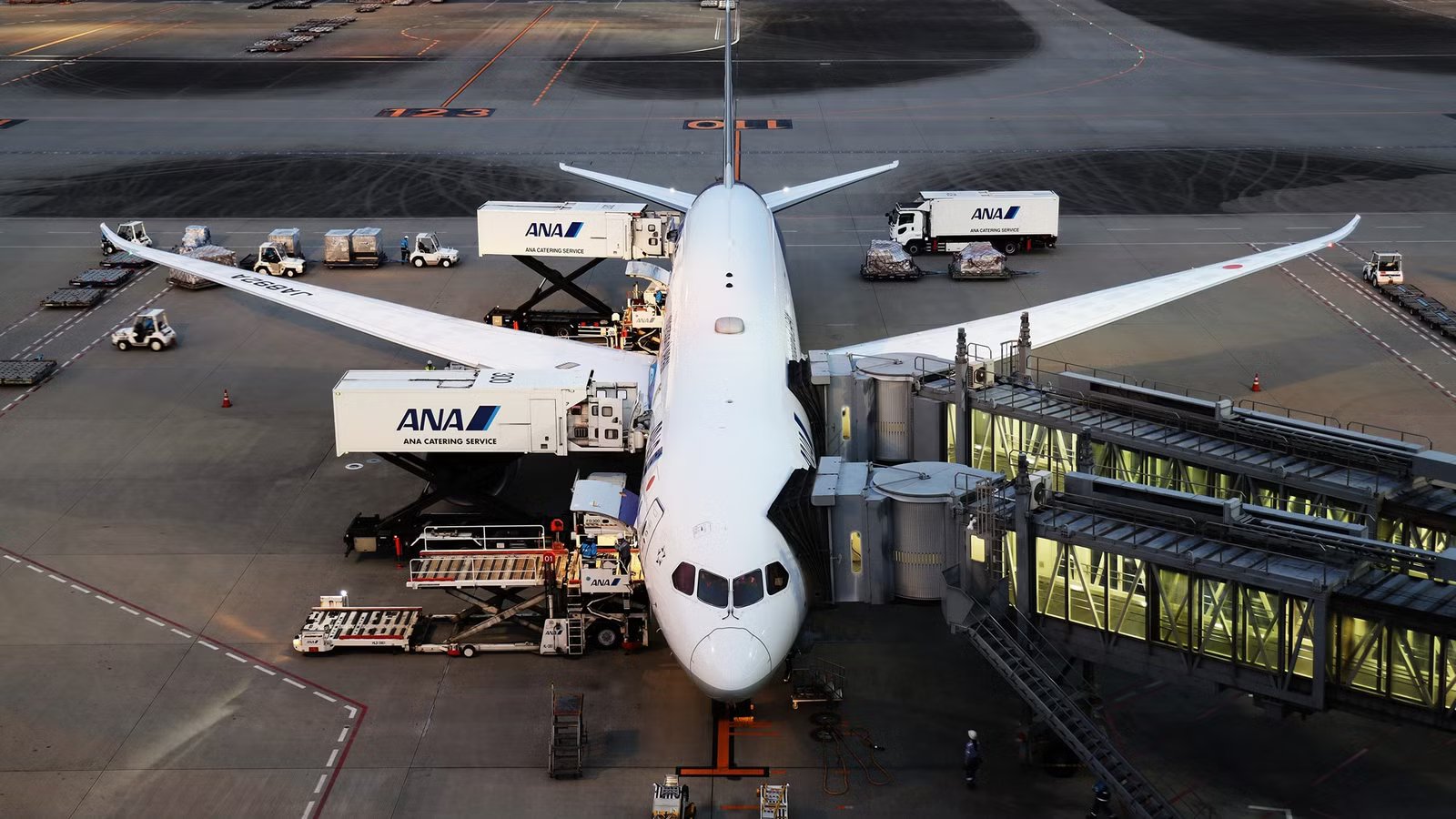
American plane-maker  Boeing will improve the already hugely successful 787 Dreamliner, with increased cargo capacity and/or longer range for the 787-9 and 787-10 variants. This annoucement, as reported by Reuters, was shared by a senior executive at Boeing on Wednesday at the Singapore Airshow.
Such changes will see the Dreamliner improve its maximum takeoff weight, increasing its range by a total of 400 additional miles (643 km), or for airlines that focus on belly hold, the addition of six extra tons of cargo. For some airlines, this could be the tick in the box they were waiting for to place additional orders for the successful aircraft, or add them to their existing fleet.
Longer Range, Additional Cargo

Darren Hulst, Vice President of Commercial Marketing at Boeing, has been attending the Singapore Airshow this week, one of the most influential international aerospace and defense Airshows. Singapore is hosting hte biennial Airshow from Tuesday, February 3, through to Sunday, February 8.
The improved plans for the 787 Dreamliner will add to the aircraft’s popularity, noting that the airplanes will now become a strong competitor and alternative to dedicated freighters, broadening the market for both long-range passenger travel and high-volume transportation of cargo.
With additional range, this will enable airlines to consider new routes that may have previously been out of reach, and with its improved maximum take-off weight, it will allow for better fuel efficiency and operational flexibility on long-haul routes. Hulst reiterated that these improved aircraft are already in production and expected to begin deliveries in the first half of 2026.
The Best Selling Widebody Aircraft In History

The 787 is undeniably the best-selling widebody aircraft in history, with the American plane maker securing more than 2,000 orders for the family of aircraft, and has already completed more than 1,200 successful orders. The aircraft has already become synonymous with fuel efficiency and passenger comfort.
Airlines operating the 787 have been able to revolutionize their long-haul networks with the aircraft, with the Dreamliner becoming a staple for operations for airlines such as Qantas, Qatar Airways, All Nippon Airways, Air Canada, United Airlines, and  Qatar Airways. The 787 currently boasts around 20-25% less fuel burn when compared to older widebodies, and onboard its cabins feature large windows, a lower cabin altitude, which results in less jetlag for passengers. Current key characteristics of each 787 type are detailed below as per Boeing:
|
Type |
Boeing 787-8 |
Boeing 787-9 |
Boeing 787-10 |
|---|---|---|---|
|
Passengers |
248 |
296 |
336 |
|
Range |
7,305 nautical miles (13,530 km) |
7,565 nautical miles (14,010 km) |
6,330 nautical miles (11,730 km) |
|
Wingspan |
197 feet (60 m) |
197 feet (60 m) |
197 feet (60 m) |
|
Height |
56 feet (17 m) |
197 feet (60 m) |
197 feet (60 m) |
|
Length |
186 feet (57 m) |
206 feet (63 m) |
224 feet (68 m) |
|
Engines |
GEnx-1B / Trent 1000 |
GEnx-1B / Trent 1000 |
GEnx-1B / Trent 1000 |
With three current variants, the 787-8, 787-9, and 787-10, the launch customer for the 787 was All Nippon Airways, which remains one of the aircraft’s largest operators, operating all three types.

787-8 Vs 787-9 Vs 787-10: How The Dreamliner Variants Differ
The three 787 variants are tailored to different market segments to fill niches and offer a placement for different previous-generation aircraft.
More Details Emerging About The 777X

Boeing’s Hulst also mentioned to reporters that the long-awaited 777X is also aiming to gain certification in the second half of 2026, resulting in deliveries being destined for 2027. The gap between certification and eventual entry into service is expected to come down to the airline customers.
The 777X is planning its next test flight in April, which is a light at the end of the tunnel for the long-awaited widebody. Once certified, airline customers for the 777X will need to undertake their own steps to ensure the aircraft is ready for delivery and then placed into revenue service.
Dubai-based Emirates remains the largest customer for the Boeing 777X with more than 270 of the aircraft on order (including a mix of both the 777-8 and 777-9). Other key customers include Qatar Airways, Singapore Airlines,  Lufthansa, and Etihad.