dailynewsnblog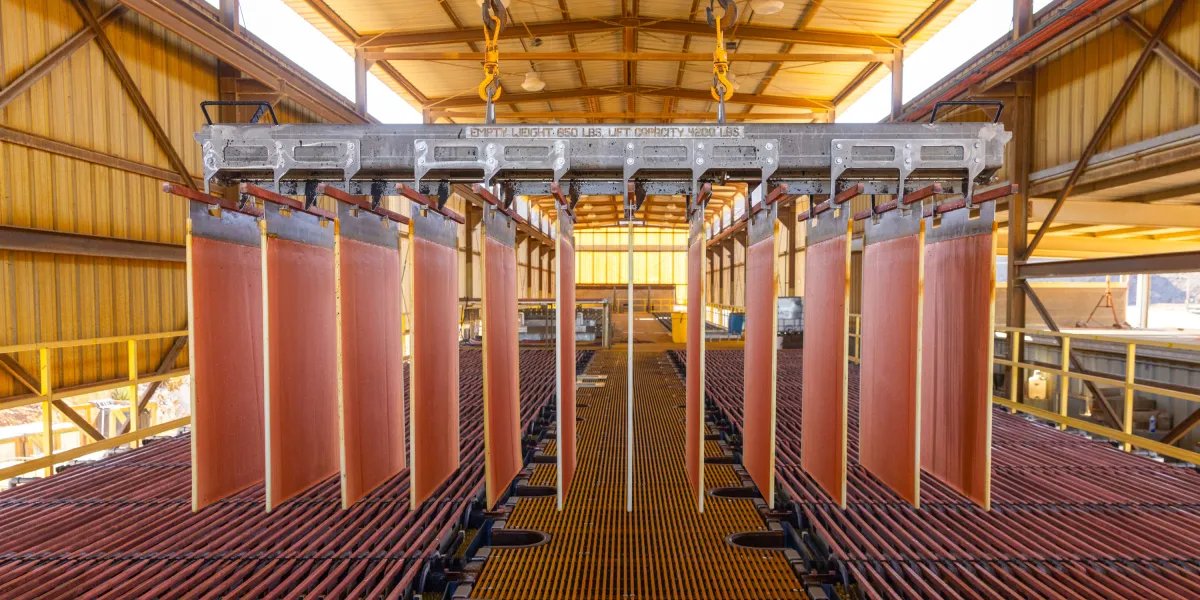
In a pine forest on Michigan’s Upper Peninsula, the only active nickel mine in the US is nearing the end of its life. At a time when carmakers want the metal for electric-vehicle batteries, nickel concentration at Eagle Mine is falling and could soon drop too low to warrant digging.
Demand for nickel, copper, and rare earth elements is rapidly increasing amid the explosive growth of metal-intensive data centers, electric cars, and renewable energy projects. But producing these metals is becoming harder and more expensive because miners have already exploited the best resources. Here’s how biotechnology could help.
—Matt Blois
What we’ve been getting wrong about AI’s truth crisis
—James O’Donnell
What would it take to convince you that the era of truth decay we were long warned about—where AI content dupes us, shapes our beliefs even when we catch the lie, and erodes societal trust in the process—is now here?
A story I published last week pushed me over the edge. And it also made me realize that the tools we were sold as a cure for this crisis are failing miserably. Read the full story.
This story originally appeared in The Algorithm, our weekly newsletter on AI. To get stories like this in your inbox first, sign up here.
TR10: Hyperscale AI data centers
In sprawling stretches of farmland and industrial parks, supersized buildings packed with racks of computers are springing up to fuel the AI race.
These engineering marvels are a new species of infrastructure: supercomputers designed to train and run large language models at mind-bending scale, complete with their own specialized chips, cooling systems, and even energy supplies. But all that impressive computing power comes at a cost.
Read why we’ve named hyperscale AI data centers as of our 10 Breakthrough Technologies this year, and check out the rest of the list.