

 dailynewsnblog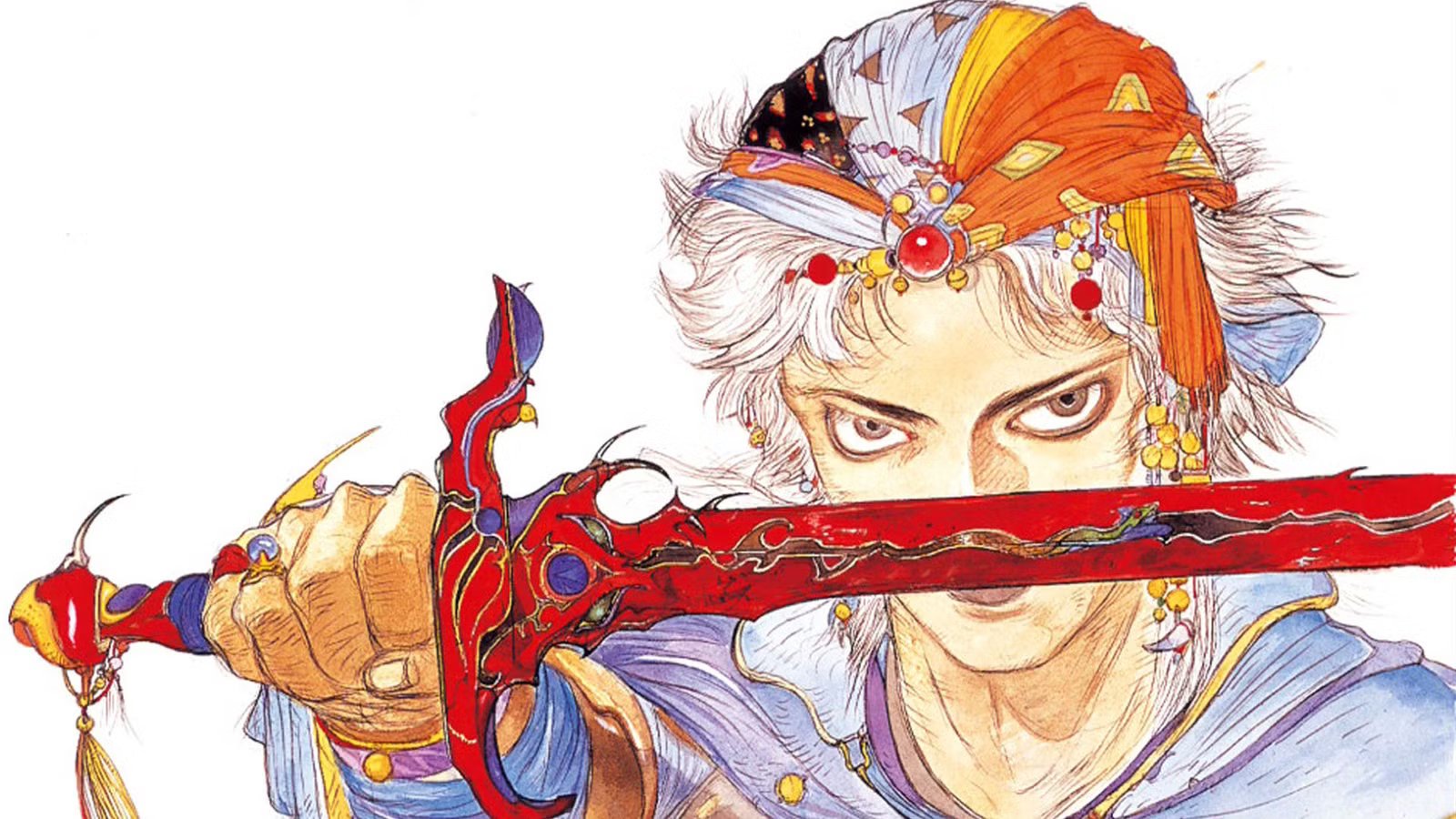
The original Final Fantasy was pretty bare bones in terms of its world-building, and followed four unnamed adventurers who became the Warriors of Light. Its successor, Final Fantasy 2, introduced a named cast of three characters — Firion, Maria, and Guy. These heroes aren’t simply swept up in tragic events; they seek justice as citizens of a world suffering under the Emperor of Palamecia. But a group of memorable characters with distinct personalities was not the only innovation the second title in the series brought to the table. All the way back in 1988, Final Fantasy 2‘s Word Memory system gave players a unique tool to engage more deeply with the game’s world. It lands on Xbox Game Pass on Feb. 3, but it’s also available for purchase on numerous other platforms, as part of Square Enix’s 2021 Final Fantasy Pixel Remaster collection of the first six games in the series.
The Word Memory system works based on two then-new commands: “learn” and “ask,” which appear whenever you talk to a character. The former lets you memorize specific words, while the latter allows you to select, from the list of learned words, one as a conversation topic with another character.

The system was developed as a way to distinguish Final Fantasy 2 from other RPGs. In an interview featured in the September 1988 Famicom Tsushin magazine, Final Fantasy 2‘s script writer Kenji Terada explained that “there’s been a tendency in RPGs to have a very ‘one-way’ flow of information, but this [Word Memory system] will make it feel more like a real conversation. I think players will enjoy the sense of presence, of being-there, that these more natural conversations lend to the experience,” (translation by shmuplations).
Playing Final Fantasy 2 in 2026, the World Memory system doesn’t feel like a mind-blowing change to the overall classic Final Fantasy gameplay loop. The limited number of keywords requires little effort from you to find the right terms to unlock the next part of the campaign, and you don’t have the freedom to pursue different paths in a conversation to obtain new words. These limitations are understandable, considering the technology of that time. Even so, the World Memory system remains one of the most engaging aspects of Final Fantasy 2.
While asking multiple questions about specific words doesn’t make a conversation feel completely natural, Terada was right about the Word Memory system allowing a two-way flow of information. Learning should be an active process, not a passive one, and Final Fantasy 2 makes you feel like an active part of the world you’re playing in.
Final Fantasy 2’s mechanics of “asking” and “learning” derive from some of the earliest text-based adventure games, like Colossal Cave Adventure, The Oregon Trail, and Yuji Horii’s pre-Dragon Quest mystery game, 1983’s Portopia Serial Murder Case. It’s a genre that’s still very much alive today. Take the 2024 game Emio – The Smiling Man: Famicom Detective Club developed by Yoshio Sakamoto. In the game, you talk to characters and investigate different locations, from crime scenes to a bus stop, always looking for new pieces of information that you can use to question characters and advance the story — just like in Final Fantasy 2.

In my recent playthrough of the second Final Fantasy, when I returned from a quest, I learned the keywords “Mythril,” “Dreadnought,” and “Airship.” Asking NPCs about these words allowed me to receive hints and objective information about my next destination, and also understand more about the world. The investigative nature of asking and learning made me more excited to talk to other NPCs who could share different bits of info depending on the questions I asked. The possibility of discovering more through my own actions anticipates the freedom to explore a large map that would come in later Final Fantasy games — without multiple quest icons indicating all the available steps.
RPGs typically deliver information through character dialogues or long cutscenes. A more indirect approach forces you to search for knowledge by interacting with books or reading cryptic item descriptions. In Final Fantasy 16, for example, you can read about the world by accessing the Active Time Lore System or even attend a short class about geopolitics by Vivian Ninetales. While the “Active Time” database keeps you up to speed on the complex relationships between the game’s nations and key characters, in some ways it feels far less active than Final Fantasy 2, because you are never allowed to make Clive ask a single question about what he has just learned.
The World Memory system in Final Fantasy 2 was simple due to its technological limitations, but it was potent in demonstrating the power of giving players agency in the adventure. I’m not against a good lore dump, but I can become more engaged by a game that sparks my curiosity and gives me the tools to uncover the truth by myself. It’s a lesson modern games could learn from a classic like Final Fantasy 2.



![Only 56% Full: Lufthansa’s’ 10 Emptiest US Routes Revealed [Full List]](https://dailynewsnblog.com/wp-content/uploads/2026/05/bigger-airbus.jpg)