dailynewsnblog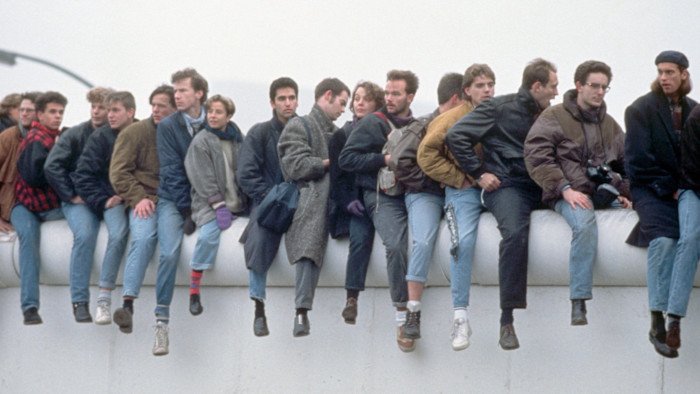
Unlock the White House Watch newsletter for free
Your guide to what Trump’s second term means for Washington, business and the world
The writer is a senior fellow at the Atlantic Council and advises M&C Saatchi World Services
During the cold war, when the world last squared off in existential geopolitical confrontation, the US had an exhilaratingly cool reputation. Behind the Iron Curtain, ordinary citizens were desperate for a can of Coke or a pair of Levi’s. Now, as the world descends into another geopolitical battle, American brands are discovering the price of being unpopular.
Importing US goods was once considered politically necessary. In 1978, the East Germany leader Erich Honecker placed an order for one million pairs of Levi’s. The stern communist had accepted the inevitable: that his country’s citizens would do anything to get their hands on a pair of the jeans. Across the world, US brands represented freedom and trendiness. When McDonald’s opened its first restaurant in the Soviet Union in 1990, tens of thousands of people joined the queue in icy weather.
Nearly five decades later, consumer attitudes are shifting. Last September, Levi’s warned of “rising anti-Americanism as a consequence of the Trump tariffs and governmental policies”. Chris Kempczinski, McDonald’s CEO, said that “the aura around America has dimmed a bit”.
This change in attitude is showing up in consumer surveys. Last year, a poll of Germans found nearly two-thirds said they wanted to avoid US brands. A few months later, 70 per cent of Italians and 69 per cent of Swiss and Austrians declared themselves ready to stop buying US brands altogether. Earlier this year, an astounding 83 per cent of Swedes said they were no longer buying US brands.
As the US government’s opprobrium against Europe increases, European consumers are paying close attention. Between September 2024 and September 2025, overall exports of US whiskey and bourbon dropped by nearly 17 per cent. A popular new Danish app has appeared that offers to help users identify brands’ links to the country — so they can be boycotted. Estonia’s tech-savvy government is testing a US-free IT system. France also wants state employees to use domestic alternatives to US software.
Although Tesla’s European sales have plunged, for most US companies, anti-American feelings have not resulted in devastating losses. But the effects may be felt over time. As Kempczinski pointed out, the damage is reputational — and reputational loss is hard to regain. Some global firms are questioning America Inc too. They may not care much about what is considered cool but they do care about predictability.
In September, ICE agents raided a Georgia plant under construction by Hyundai, the South Korean carmaker. Other international companies planning to heed US President Donald Trump’s call to build more factories on American soil will have been watching carefully. Trump’s whiplashing tariff policies and political rift with Europe are also encouraging some investors to diversify their holdings away from the US. Last year, sovereign wealth funds invested heavily in the US — only to receive surprise news this year that the US government is planning to tax their holdings. And last month, a Danish pension fund announced that it was selling its holdings of US Treasuries over concerns about the US government’s financial management.
In the year since Trump’s return to the White House, leaders around the world have responded to his pronouncements with restraint and deference, sometimes even sycophancy. That’s understandable: they have countries to run and don’t want to risk ire from the US president. But consumers and businesses are not under such restraints. They don’t formulate national policy and their choices have a real impact.
What if America Inc hangs out its shingle and nobody is interested? American business leaders should remind their country’s highest powers that no amount of tariffs can make up for that.