dailynewsnblog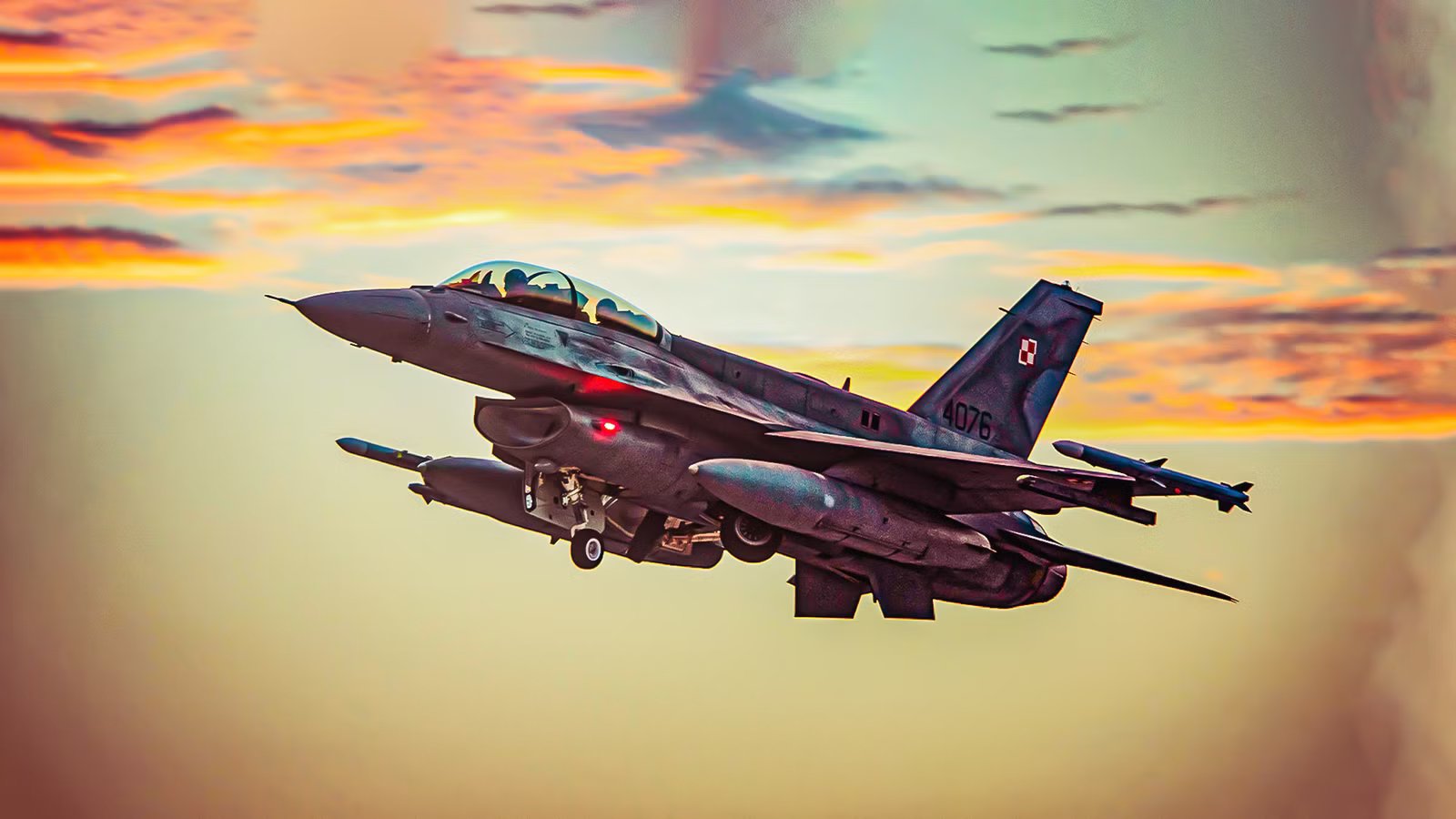
When discussing modern combat aviation, the question that generates interest is the rivalry between  Boeing and Lockheed Martin. Both companies are foundational pillars of the United States defense-industrial system, and both have designed aircraft that defined entire eras of air combat. Yet when it comes to today’s world, where stealth, sensor fusion, and sustained production matter more than legacy reputation, the key question becomes very specific: which of these two aerospace giants actually produces more fighter jets right now?
Governments committing billions of dollars to long-term procurement programs need confidence not only in an aircraft’s performance, but also in the manufacturer’s ability to produce it at scale. To answer the question properly, we need to dig into history, mergers, active aircraft programs, and current production realities. This article explores the military aviation histories of Boeing and Lockheed Martin using information from their official corporate sources. It explains how Boeing’s 1997 merger with McDonnell Douglas reshaped its fighter portfolio, how Lockheed Martin built its dominance in tactical airpower, and, most importantly, how the two companies compare today when only active, in-production fighter jets are counted. By the end, the answer becomes clear, but the reasons behind it are more nuanced than a simple numbers game.
Who Builds More Fighter Jets Today: Lockheed Martin Or Boeing?

The short answer is that Lockheed Martin currently produces far more fighter jets than Boeing. This production advantage is overwhelmingly driven by a single aircraft: the F-35 Lightning II. As the only fifth-generation multirole fighter in large-scale production for the United States and most of its allies, the F-35 operates on a scale unmatched by any other modern combat aircraft program, with annual output measured in the hundreds rather than dozens.
Boeing remains an active fighter manufacturer, but at a much smaller scale. Its current production focuses on the F/A-18E/F Super Hornet, the EA-18G Growler electronic attack aircraft, and the F-15EX Eagle II. These aircraft are highly capable, combat-proven, and continue to serve critical roles within the US military, but they are produced in comparatively limited numbers each year and are largely tied to specific mission sets rather than broad, multinational replacement programs. In March 2025, the United States Air Force announced that Boeing would build its next-generation air-superiority fighter (NGAD), the stealthy, sixth-generation F-47, an important strategic win, but one that does not yet translate into near-term production volume.
For decades, Boeing, through its merger with McDonnell Douglas, controlled some of the most successful fighter programs ever created, including the F-15 and F/A-18 families. However, shifts in US defense priorities toward stealth and networked warfare, combined with Lockheed Martin’s success in winning decisive Pentagon competitions like the Joint Strike Fighter program, have fundamentally reshaped the fighter landscape. As a result, while Boeing remains deeply relevant to the future of air combat, Lockheed Martin dominates the present-day fighter production numbers.
How Did Boeing Build Its Military Aviation Legacy?

Boeing’s military aviation story stretches back more than a century. According to Boeing’s official company history, the firm began producing military aircraft as early as World War I. The company produced America’s first all-metal, monoplane pursuit aircraft. Its reputation was forged during World War II, when Boeing-designed bombers such as the B-17 Flying Fortress and Boeing B-29 Superfortress became symbols of American industrial might.
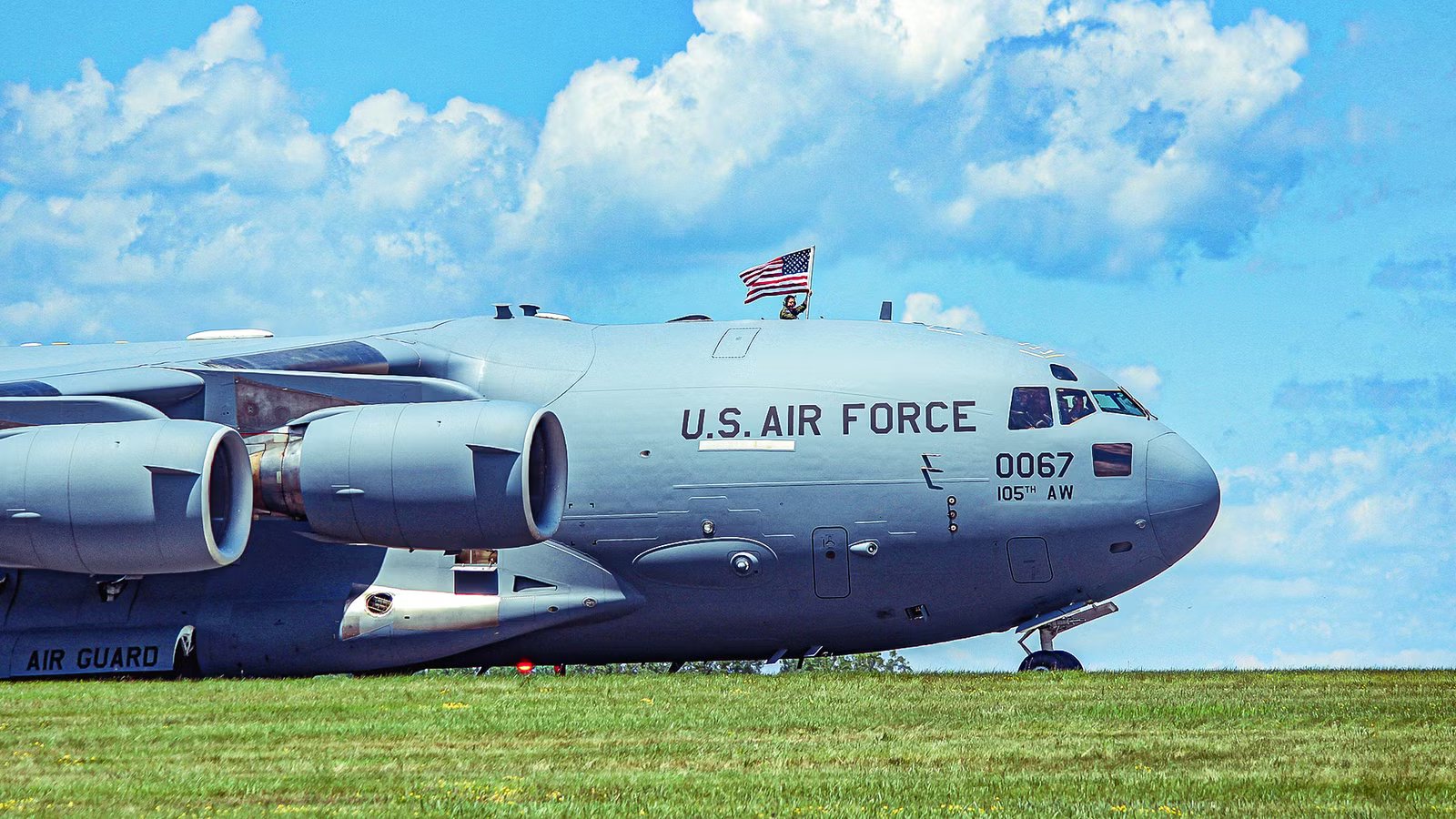
During the Cold War, Boeing solidified its role as a strategic aviation powerhouse. The b-52 Stratofortress, first flown in 1952 and still in service today, exemplifies Boeing’s strength in long-range, heavy military aircraft. The company also became a dominant force in aerial refueling through aircraft like the KC-135 and KC-46 Pegasus tankers. But the real turning point for Boeing came in 1997, when it merged with McDonnell Douglas in a landmark deal that reshaped the global aerospace industry.
Besides the aircraft programs, Boeing also acquired engineering expertise, intellectual property, supplier networks, and export relationships through the merger. In practical terms, Boeing inherited the entirety of McDonnell Douglas’s fighter legacy. The F/A-18 program became Boeing’s flagship fighter line, and the F-15 continued under Boeing’s stewardship as one of the world’s most respected non-stealth fighters.
Yet despite this inheritance, Boeing’s fighter portfolio gradually narrowed. Legacy aircraft were retired, new clean-sheet fighter designs failed to materialize, and Boeing increasingly focused on upgrades, sustainment, and derivatives rather than revolutionary new fighters.

Why This Long-Range Bomber Will Likely Be The 1st Jet Aircraft To Reach 100 Years Of Continuous Flying
Continuous upgrades, new engines, and modern radar are keeping the B-52 Stratofortress on track to become the first jet aircraft to reach 100 years!
What’s The Secret Behind Lockheed Martin’s Fighter Jet Legacy?

Lockheed Martin’s dominance in fighter aviation is rooted in a very different corporate history. The company’s fighter lineage begins with the Lockheed Aircraft Corporation, which produced iconic combat aircraft such as the P-38 Lightning during World War II, a long-range twin-engine fighter that played a decisive role in multiple theaters of the conflict.
Lockheed quickly became synonymous with cutting-edge fighter design during the early jet age: it delivered the F-80 Shooting Star, America’s first operational jet fighter, followed by the F-104 Starfighter, a high-speed interceptor that entered service across NATO and numerous allied air forces. These aircraft established Lockheed as a leader in high-performance military aviation well before the emergence of stealth technology.
In 1993, Lockheed became responsible for the F-16 Fighting Falcon after the acquisition of General Dynamics’ Fort Worth division, inheriting the program’s production lines, global supply chain, and export relationships. The fighter jet went on to become one of the most successful fighters in history, with more than 4,600 units built and dozens of international operators.
The formation of Lockheed Martin in 1995, through the merger of Lockheed Corporation and Martin Marietta, further strengthened its position. The newly formed company combined stealth expertise, advanced avionics, and deep Pentagon relationships, setting the stage for its most important victory yet.
Current Fighter Jet Production: How Do Boeing And Lockheed Martin Compare?

When comparing only active, in-production fighter jets, the difference between Boeing and Lockheed Martin becomes stark. Lockheed Martin’s F-35 production leads the numbers, with three variants for the US Air Force, Marine Corps, Navy, and a growing list of international partners. Final assembly takes place primarily in Fort Worth, Texas, with additional assembly and checkout lines in Italy and Japan to support allied deliveries. The program entered full-rate production in the early 2020s, following more than a decade of low-rate initial production (LRIP) lots that steadily ramped output.
As of the mid-2020s, annual F-35 production ramped to record levels, delivering 191 aircraft in 2025 alone, five times faster than any other allied fighter, and sustaining nearly 1,300 aircraft in global service. Aircraft are delivered in annual production “lots,” with each lot incorporating incremental hardware and software upgrades, meaning jets rolling off the line today are meaningfully more capable than early examples.
Boeing’s fighter production, while technologically sophisticated, operates at a fundamentally different scale. The F/A-18E/F Super Hornet and EA-18G Growler lines now run at low annual rates to sustain existing fleet requirements and fulfill remaining US Navy and export commitments, rather than to support large-scale force expansion.
Annual procurement has declined significantly from peak production levels seen in the 2000s and early 2010s, reflecting reduced new-build demand rather than a lack of capability.
At the same time, the F-15EX Eagle II is being procured in relatively small, clearly defined batches intended to replace aging F-15C/D airframes in the US Air Force inventory. These purchases prioritize rapid fielding and continuity of air superiority capacity, but they do not involve the sustained, high-volume procurement characteristic of a primary multirole fighter program.
Even when Super Hornet, Growler, and F-15EX production are combined, Boeing’s total annual fighter output remains well below that of the F-35 alone. This disparity underscores how Lockheed Martin’s single-platform, high-rate production model currently dominates the fighter manufacturing landscape, while Boeing’s output is shaped by targeted, mission-specific replacement needs rather than broad force-wide recapitalization.

America’s 7 Most Expensive Fighter Jets Of All Time
Explore the US’ most high-priced fighter jets, from the F-86 Sabre to the F-22 Raptor.
Are There Hidden Risks Or Limitations In Fighter Production Numbers?

Production volume alone does not equate to overall military value. Boeing’s fighters, particularly the F-15EX, offer capabilities that even the F-35 cannot fully replicate. The F-15EX can carry up to 29,500 kg of external ordnance across 12 hardpoints, including long-range air-to-air and air-to-ground missiles, making it a highly flexible platform for saturation strikes, homeland defense, and allied reinforcement.
Similarly, the F/A-18E/F Super Hornet and EA-18G Growler provide carrier-based strike and electronic warfare capabilities that are critical for US Navy operations—capabilities that complement stealth fighters rather than compete directly with them. These aircraft are likely to remain essential supporting elements of American and allied airpower for decades, even as stealth-centric programs dominate headlines. At the same time, Lockheed Martin’s reliance on a single fighter platform carries measurable risks.
The F-35 program has experienced technical challenges in the past, including software integration delays, structural issues, and rising costs during early production lots. Political and budgetary uncertainty, such as shifts in foreign partner procurement or US Department of Defense budget reallocations, could also affect production pacing. Because Lockheed’s fighter output is concentrated almost entirely on the F-35, any significant disruption would have a disproportionate effect on the company’s overall fighter production volume and global delivery commitments. By contrast, Boeing’s more diversified defense portfolio provides the company with a buffer against single-program risk, even though its fighter numbers remain lower.
|
Manufacturer |
Aircraft |
Role |
Estimated Annual Production (Units) |
Production Status |
Counted in Current Totals |
|---|---|---|---|---|---|
|
Lockheed Martin |
F-35 Lightning II |
5th-generation multirole fighter |
~150–190 aircraft |
Active, high-rate multinational production |
Yes |
|
Boeing |
F/A-18E/F Super Hornet |
Carrier-based multirole fighter |
~12–24 aircraft |
Active, low-rate production |
Yes |
|
Boeing |
EA-18G Growler |
Electronic attack aircraft |
~6–12 aircraft |
Active, mission-specific production |
Yes |
|
Boeing |
F-15EX Eagle II |
Heavy air-superiority / strike fighter |
~18–24 aircraft |
Active, early production batches |
Yes |
|
Lockheed Martin |
F-16 Block 70/72 |
4th-generation multirole fighter |
~12–24 aircraft |
Active, export-only production |
No |
|
Lockheed Martin / Boeing |
F-22 Raptor |
5th-generation air-superiority fighter |
Production ended in 2012 |
No |
Looking forward, emerging programs like the US Air Force’s NGAD initiative could reshape the production landscape entirely. Both Boeing and Lockheed Martin are heavily involved in preliminary design and prototype work, and a single contract award could shift production volumes, technological leadership, and Pentagon procurement strategy for decades.
The NGAD program emphasizes modularity, stealth, and networked capability, potentially complementing existing fighter lines rather than replacing them outright, but the eventual winner may redefine which manufacturer dominates high-end fighter production in the 2030s and beyond. In this sense, current production numbers tell only part of the story; long-term strategic positioning, program diversification, and emerging technologies all play critical roles in shaping future combat aviation dominance.
Fighter Jet Showdown: Who Really Leads The Market Today?

Returning to the central question, the answer is clear: Lockheed Martin currently produces more fighter jets than Boeing by a wide margin. The F-35 Lightning II’s unmatched production scale, global adoption, and strategic importance place Lockheed at the top of today’s fighter manufacturing hierarchy.
Boeing’s fighter legacy, largely inherited through its merger with McDonnell Douglas, remains one of the most impressive in aviation history. However, in the present day, Boeing’s role has shifted toward specialized capability, sustainment, and selective production rather than high-volume fighter output.
However, the rivalry is far from over. As sixth-generation fighters move from concept to reality, the balance could shift once again. For now, though, when it comes to producing fighter jets in the modern era, Lockheed Martin clearly leads the field.