dailynewsnblog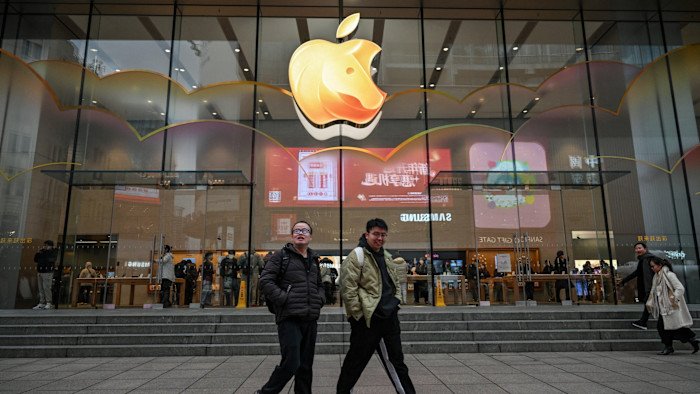
Good morning and welcome back to FirstFT Asia. In today’s newsletter:
-
China power Apple’s best-ever iPhone sales
-
Beijing rolls out the red carpet for Starmer
-
Why investors are flocking to Singapore
We begin with Apple, which reported a big rise in sales to a record $144bn for the final quarter of last year amid a surge in iPhone purchases during the holiday season.
‘Remarkable’ quarter: A strong launch for the iPhone 17 pushed smartphone revenue up 23 per cent year-on-year in the three months to the end of December, driving overall revenue growth of 16 per cent, Apple said yesterday. The smartphone giant said sales in the crucial Chinese market jumped 38 per cent year-on-year, while it reported $42bn in net income for the quarter, well ahead of expectations.
Chief executive Tim Cook hailed “a remarkable, record-breaking quarter” driven by “unprecedented [iPhone] demand, with all-time records across every geographic segment”.
Why it matters: Strong hardware sales have helped quiet anxiety over Apple’s AI strategy, which has been plagued by false starts and rivals poaching top talent. Chief financial officer Kevan Parekh said Chinese consumers had snapped up the iPhone 17, driving a wave of people upgrading their Apple model or switching from rivals. Read the full story.
Here’s what else we’re keeping tabs on today and over the weekend:
-
Economic data: Japan releases industrial production, retail sales and job figures for December. Hong Kong and Taiwan report fourth-quarter GDP. Australia publishes December PPI inflation rate data.
-
Results: Nomura, Tokyo Gas, ExxonMobil and Chevron report earnings today. Ahead of Nomura’s results, read about the turnaround at Japan’s largest brokerage and investment bank.
-
UK-Japan relations: Prime Minister Sir Keir Starmer visits Japan on Saturday, where he will meet counterpart Sanae Takaichi.
-
India Union Budget: The annual financial statement will be presented on Sunday by finance minister Nirmala Sitharaman in New Delhi.
-
Australian Open tennis: The women’s and men’s singles finals take place in Melbourne this weekend, on Saturday and Sunday, respectively.
How well did you keep up with the news this week? Take our quiz.
Five more top stories
1. Sir Keir Starmer has claimed that British relations with China are in a “good, strong place” after meeting Xi Jinping in Beijing in an effort to patch up ties strained by years of spying scandals and geopolitical tensions. Shortly after the meeting, pharmaceutical company AstraZeneca announced a $15bn investment in China to expand manufacturing and research and development in the country. Read more about Starmer’s visit.
-
Football diplomacy: Starmer gifted Xi a football signed by players from Manchester United, the Chinese leader’s favourite team. Beijing, for its part, rolled out the red carpet for Starmer.
2. Microsoft’s market value tumbled by $360bn after the US tech behemoth reported a surge in data centre spending, reigniting worries about Silicon Valley’s vast investment in AI infrastructure. The software group’s shares slid 10 per cent yesterday, its worst day since the height of the coronavirus pandemic in 2020.
-
Market whiplash: Gold and silver prices dropped from record highs yesterday following a frenzied surge in prices this week.
-
Shopping chatbots: Industry giants Walmart and Amazon are taking different approaches to a technology that could further automate shopping.
3. Sony and Singapore’s sovereign wealth fund GIC will form a joint venture to invest more than $1bn in music catalogues. Song rights have become an attractive asset class for professional investors in recent years as streaming has resuscitated the music industry. Here’s more on the venture.
4. Canadian politicians have blasted Albertan separatists for meeting with Trump administration officials to seek support for their breakaway movement, with one provincial leader branding the talks as “treason”. The FT on Wednesday reported that leaders of the Alberta Prosperity Project independence group had held three meetings with Trump officials in Washington since last April.
5. Starbucks is planning to open thousands more coffee shops around the world and make them more inviting places to linger, even as competitors focus on speedy drive-through and mobile order options. The company also shared a new coffee house design that would aim to cut the average building costs by about a fifth.
News in-depth

Chinese sellers of injectable drugs — marketed as cure-alls for everything from weight-loss to anti-ageing — are using ecommerce platforms to target overseas customers. But many of the compounds circulating online are banned for human use by regulators, including in the US. “I’m overweight, but I wouldn’t dare take these drugs,” one seller in China told the FT’s Eleanor Olcott.
We’re also reading and watching . . .
-
Singapore Inc: The country’s stock market had its best year for a decade in 2025. Here’s how the city-state became a safe place for investors.
-
Takaichi’s election gamble: Japan’s first female prime minister is pulling out all the stops in presenting herself as a force for real change, writes Leo Lewis.
-
Investment banking: Elite college finance clubs act as a crucial pathway to Wall Street, but early recruiting for careers in banking is forcing candidates to make big choices young.
-
🎬 Can India quit coal?: Coal fuels the country’s economy but air pollution cuts lives short. The FT’s latest film explores the true costs of India’s coal addiction.
Chart of the day
Indonesian stocks tumbled as much as 16 per cent in two days as a sell-off triggered by index provider MSCI’s warning about the market’s investability accelerated.

Take a break from the news . . .
In the first of an FT Globetrotter series on world libraries, novelist Charlotte Mendelson explores a London institution. The British Library not only holds the history of humanity but represents a curious cross-section of the UK capital.