dailynewsnblog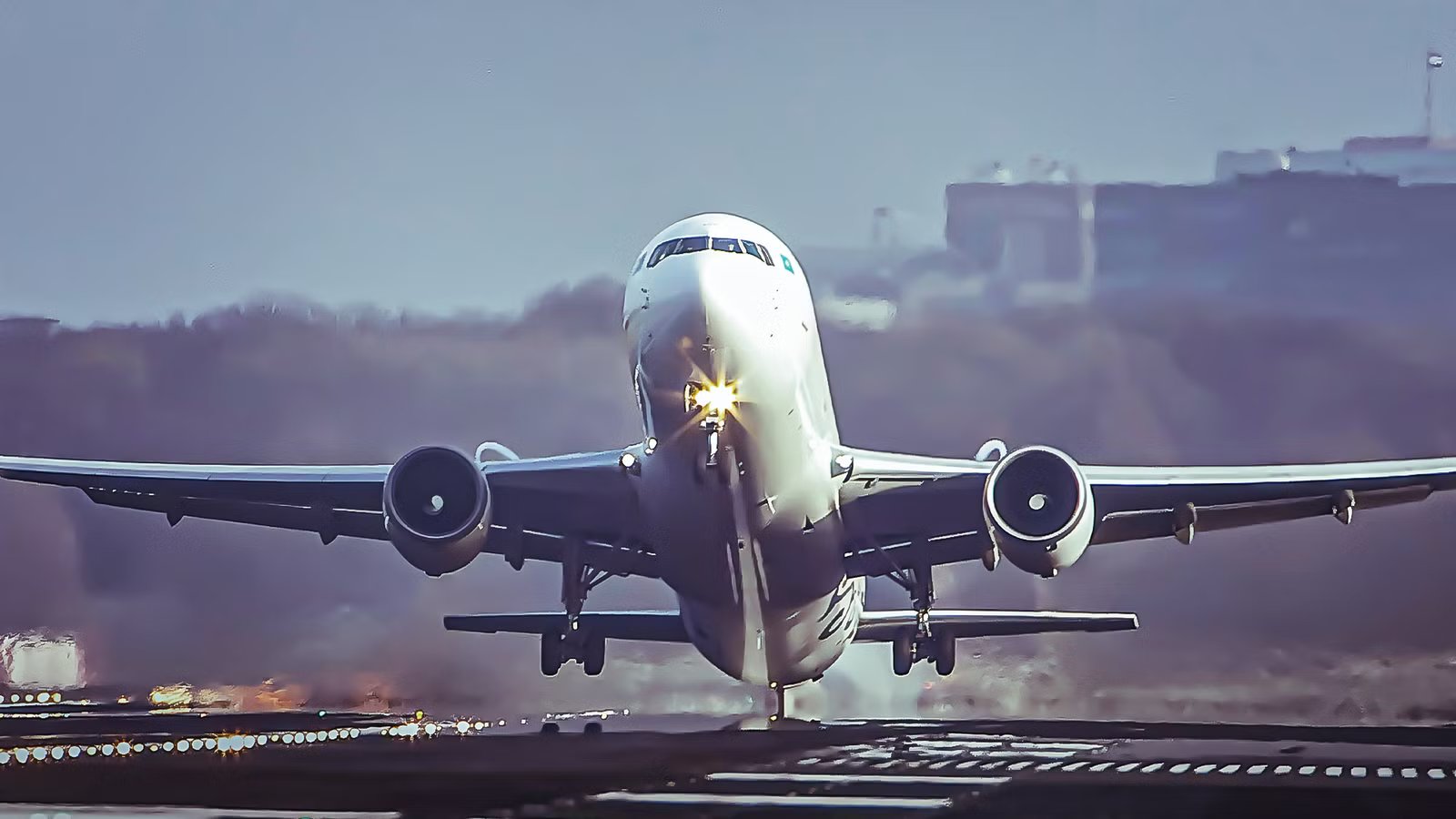
In 2024,  Boeing filed a patent for a new aircraft tail strike detection system, highlighting renewed focus on a long-standing operational risk. Although tail strikes are relatively uncommon, they can lead to expensive inspections, structural repairs, and aircraft downtime. The proposed system aims to provide real-time detection, reducing reliance on post-flight crew reports and visual inspections.
While patents do not always result in certified equipment, they offer insight into how manufacturers are addressing future safety and efficiency challenges, and as airlines seek to improve reliability while controlling costs, automated tail strike detection could become a valuable addition to modern aircraft systems. In this article, we will take a closer look at tail strikes and how Boeing’s patent filing may help to manage them.
What Is A Tail Strike?

Firstly, it is important to understand what a tail strike is and how it can occur. A tail strike occurs when the rear portion of an aircraft contacts the ground during take-off, landing, go-around, or a rejected take-off. This usually happens when the aircraft reaches an excessive pitch angle relative to its height above the runway, and the contact may involve the aircraft’s tail or the lower part of the fuselage.
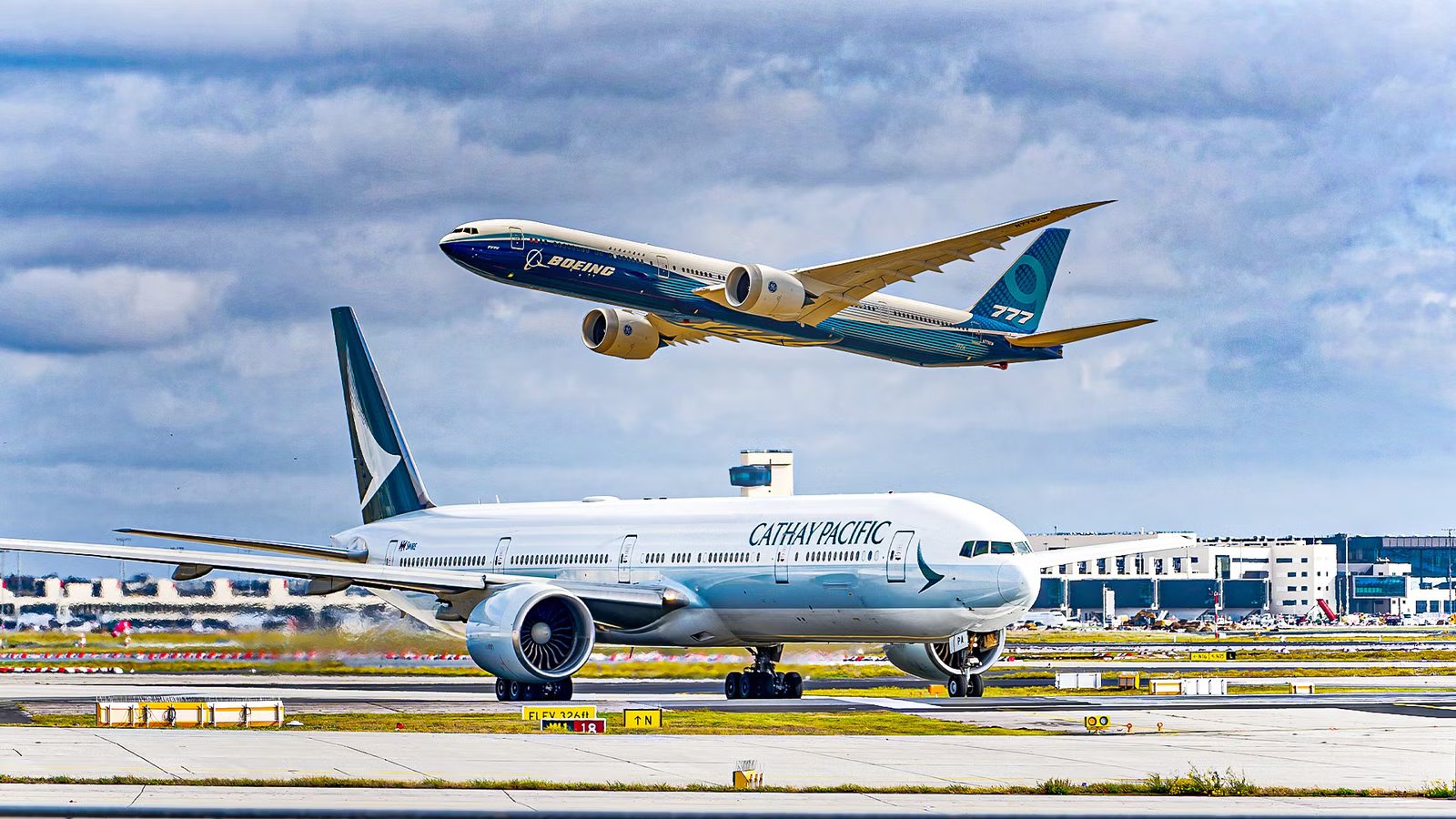
Most tail strikes happen during take-off rotation, particularly if rotation is initiated too early or too aggressively. They can also occur during landing if conditions such as gusty winds, wind shear, runway slope, or improper aircraft loading affect pitch control. Aircraft with longer fuselages are generally more susceptible due to reduced tail clearance. Among the longest commercial flying in the skies today are the Boeing 747-8 and the Boeing 777-300ER.
A critical challenge is that not all tail strikes are obvious, as minor contact may not be felt in the cockpit and may leave little external evidence. Despite this, even small amounts of damage can require detailed inspections, making accurate detection essential.

Sun Country Airlines Boeing 737-800 Damaged After Tail Strike In Milwaukee
The aircraft’s tail skid bore the brunt of the damage.
A Costly Problem

Despite advances in flight control systems and pilot training, tail strikes continue to occur across the globe. From an airline’s perspective, the issue is not just the event itself, but the uncertainty that follows, as if a tail strike is suspected, aircraft are often grounded until inspections are completed.
These inspections can be extensive, and engineers may need to access internal fuselage sections to check for hidden structural damage, particularly in pressurized areas. This process takes time and resources, often leading to delays, cancellations, and aircraft substitutions.
There are also safety concerns, as undetected damage to the aft fuselage can weaken the aircraft. Aviation history has shown that structural damage, if left unaddressed, can have serious consequences, and so, as a result, airlines tend to adopt a conservative approach, sometimes grounding aircraft even when the likelihood of damage is low.
Previous Tail Strike Incidents

Tail strikes have featured in several notable aviation incidents, demonstrating how damage to the rear fuselage can range from a minor maintenance issue to a factor in fatal accidents. While most tail strikes do not result in injuries, history shows why the industry treats them with caution. One of the most significant examples is Japan Airlines flight 123. In 1978, the Boeing 747 involved suffered a tail strike during landing, damaging the aircraft’s rear pressure bulkhead.
However, the repair was performed incorrectly, leaving a hidden structural weakness, and seven years later, in 1985, that bulkhead failed inflight, leading to explosive decompression and the loss of control. The aircraft crashed into a mountain, killing 520 of the 524 people on board, making it the deadliest single-aircraft accident in aviation history. While the tail strike itself was survivable, the long-term consequences proved catastrophic.
Another example of how tail strike damage can have far-reaching consequences involves China Airlines Flight 611. In May 2002, a Boeing 747-200 flying from Taipei (TPE) to Hong Kong (HKG) broke apart in flight over the Taiwan Strait and crashed into the sea, killing all 225 passengers and crew members onboard.
The root cause of the accident was traced back more than two decades earlier to a tail strike at Hong Kong’s old Kai Tak Airport in February 1980. In that landing incident, the Boeing 747’s aft fuselage scraped the runway, damaging the pressure hull. Although the aircraft was ferried back to Taipei and repaired, investigators later found that the permanent repair work did not follow procedures, leaving a weakness in the aircraft’s fuselage.
Over the years, repeated pressurization cycles caused metal fatigue around the improperly repaired section, and on that fateful day in May 2002, the weakened fuselage skin finally failed at cruising altitude. The rear section of the aircraft separated from the forward fuselage in an explosive decompression, leading the rest of the aircraft to plunge into the ocean. In 2025, a Cathay Pacific Airbus A350-1000 suffered a tail strike on landing in Hong Kong, and a spokesperson said:
“The aircraft subsequently landed safely at Hong Kong International Airport and was taxied to a parking bay where our passengers disembarked normally. There were no reports of injury among the operating crew or passengers onboard. Our engineering team is performing a thorough inspection and will carry out the required maintenance before returning the aircraft to service. The safety of our customers and crew guides every decision we make.”

Deadly Metal Fatigue: The Story Of China Airlines Flight 611
Flight 611 saw a Boeing 747-200 break up in midair, later found to be the result of a tail strike 20 years before.
All About Boeing’s Tail Strike Detection Patent

Boeing’s patent relates to a multi-layered system designed to automatically identify tail strikes by combining sensor data with other information. Rather than relying on a single indicator, the system evaluates a range of different indicators to determine whether ground contact has occurred. As part of the proposed technology, sensors such as accelerometers, positioned near the aft fuselage, monitor sudden changes in acceleration or load.
These readings are then analyzed alongside others, including pitch angle, vertical speed, and landing gear status. A significant emphasis has been placed on avoiding false alerts, as aircraft routinely experience vibration during normal operations, particularly on uneven runway surfaces. Boeing’s approach focuses on recognizing specific identifying features that differentiate an actual tail strike from routine operational loads, ensuring alerts remain reliable.
However, detection is only part of the equation, and Boeing’s patent filing also considers how tail strike information could be used operationally, both in the cockpit and on the ground. Pilots could receive a clear indication that a tail strike has been detected, reducing uncertainty during already high-workload phases of flight and allowing them to follow the appropriate procedures with more concrete information.
For maintenance teams, the detection system could automatically record event data, including impact severity and aircraft attitude. Having this information available before the aircraft reaches the gate could streamline inspections and reduce time spent repairing the aircraft.
What Does This Mean For Future Boeing Aircraft?

As with any patent, there is no guarantee that Boeing’s tail strike detection system will reach production. However, the filing highlights ongoing efforts to address some of the long-standing operational challenges caused by such incidents by using automation and data analysis.
If implemented, such a system could reduce unnecessary inspections, minimize the amount of time that aircraft have to spend on the ground, and provide airlines with better insight into how and when tail strikes occur. Over time, data could also inform training and procedural improvements.
Tail strikes may account for a small proportion of incidents, but their operational impact is significant, and Boeing’s patent shows how targeted technological solutions can deliver practical benefits, turning an often ambiguous event into one that is clearly identified and managed.

Automatic? Boeing Test Pilot Explains How The 777X’s Folding Wings Work
Curious how the innovative new wingtips of the 777X actually work?
Boeing’s Latest Aircraft: The 777X

The Boeing 777X is the latest aircraft from the US manufacturer, and may benefit from any future tail strike detection technology. The 777X represents the next chapter in twin-engine widebody aircraft, designed to offer airlines improved fuel efficiency, longer range, and greater passenger comfort. First launched in 2013 as the successor to the hugely successful 777-300ER, the 777X family includes the larger 777-9 and the slightly smaller 777-8 variants.
These jets are powered by General Electric GE9X engines and feature distinctive folding wingtips to balance efficiency with airport compatibility. Interest from major global carriers has been strong, with airlines such as  Emirates,
  Qatar Airways, and Cathay Pacific among the early customers. However, the Boeing 777X program has become synonymous with delays.
Originally due to enter commercial service around 2020, the 777X’s timeline has slipped repeatedly as production, certification, and testing challenges mounted. Problems ranged from structural and engine issues to increased regulatory scrutiny. In late 2025, the US manufacturer confirmed another delay, pushing the Boeing 777X’s entry into service back to 2027 and reporting a substantial $4.9 billion charge against the program.
These setbacks have also impacted airline planning, forcing carriers to keep older widebody aircraft in service for longer than planned and, in some cases, reassess fleet strategies. Despite the delays, interest remains high from many airlines around the world, particularly from Emirates. The carrier, based at  Dubai International Airport (DXB), reaffirmed its commitment with a further purchase of 65 Boeing 777-9s at the 2025 Dubai Air Show, bringing its total commitment to 270 777Xs.