dailynewsnblog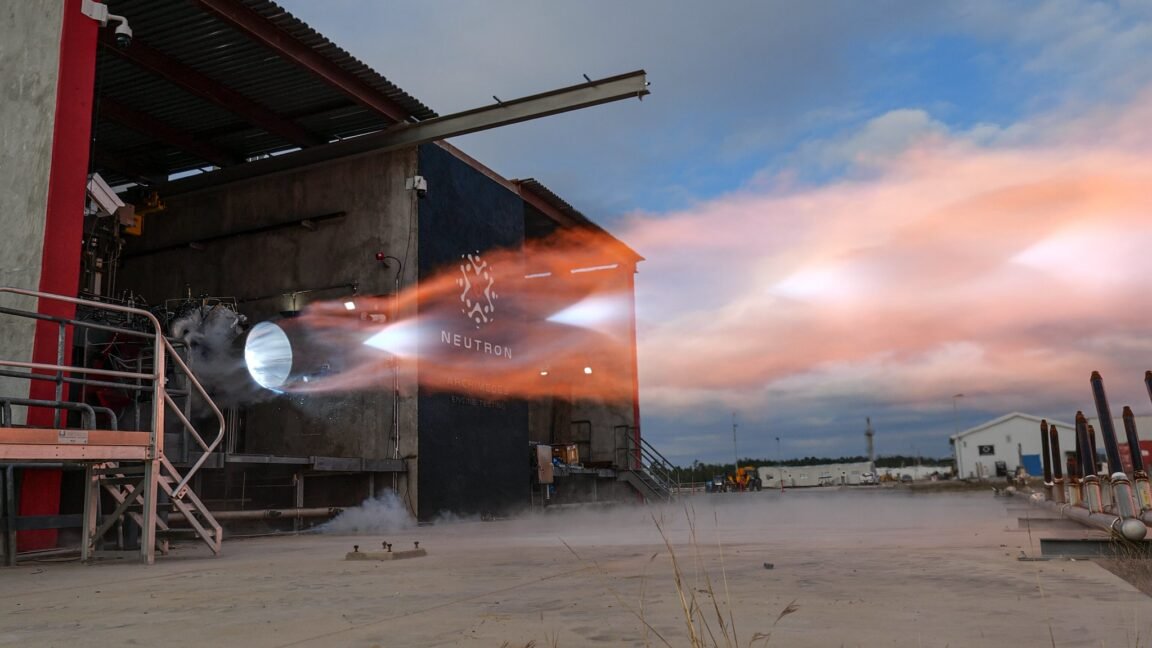
Welcome to Edition 8.26 of the Rocket Report! The past week has been one of advancements and setbacks in the rocket business. NASA rolled the massive rocket for the Artemis II mission to its launch pad in Florida, while Chinese launchers suffered back-to-back failures within a span of approximately 12 hours. Rocket Lab’s march toward a debut of its new Neutron launch vehicle in the coming months may have stalled after a failure during a key qualification test. We cover all this and more in this week’s Rocket Report.
As always, we welcome reader submissions. If you don’t want to miss an issue, please subscribe using the box below (the form will not appear on AMP-enabled versions of the site). Each report will include information on small-, medium-, and heavy-lift rockets, as well as a quick look ahead at the next three launches on the calendar.

Australia invests in sovereign launch. Six months after its first orbital rocket cleared the launch tower for just 14 seconds before crashing back to Earth, Gilmour Space Technologies has secured 217 million Australian dollars ($148 million) in funding that CEO Adam Gilmour says finally gives Australia a fighting chance in the global space race, the Sydney Morning Herald reports. The funding round, led by the federal government’s National Reconstruction Fund Corporation and superannuation giant Hostplus with $75 million each, makes the Queensland company Australia’s newest unicorn—a fast-growth start-up valued at more than $1 billion—and one of the country’s most heavily backed private technology ventures.
Homegrown rocket… “We’re a rocket company that has never had access to the capital that our American competitors have,” Gilmour told the newspaper. “This is the first raise where I’ve actually raised a decent amount of capital compared to the rest of the world.” The investment reflects growing concern about Australia’s reliance on foreign launch providers—predominantly Elon Musk’s SpaceX—to put government, defense, and commercial satellites into orbit. With US launch queues stretching beyond two years and geopolitical tensions reshaping access to space infrastructure, Canberra has identified sovereign launch capability as a strategic priority. Gilmour’s first Eris rocket lifted off from the Bowen Orbital Spaceport in North Queensland on July 30 last year. It achieved 14 seconds of flight before falling back to the ground, a result Gilmour framed as a partial success in an industry where first launches routinely fail.