dailynewsnblog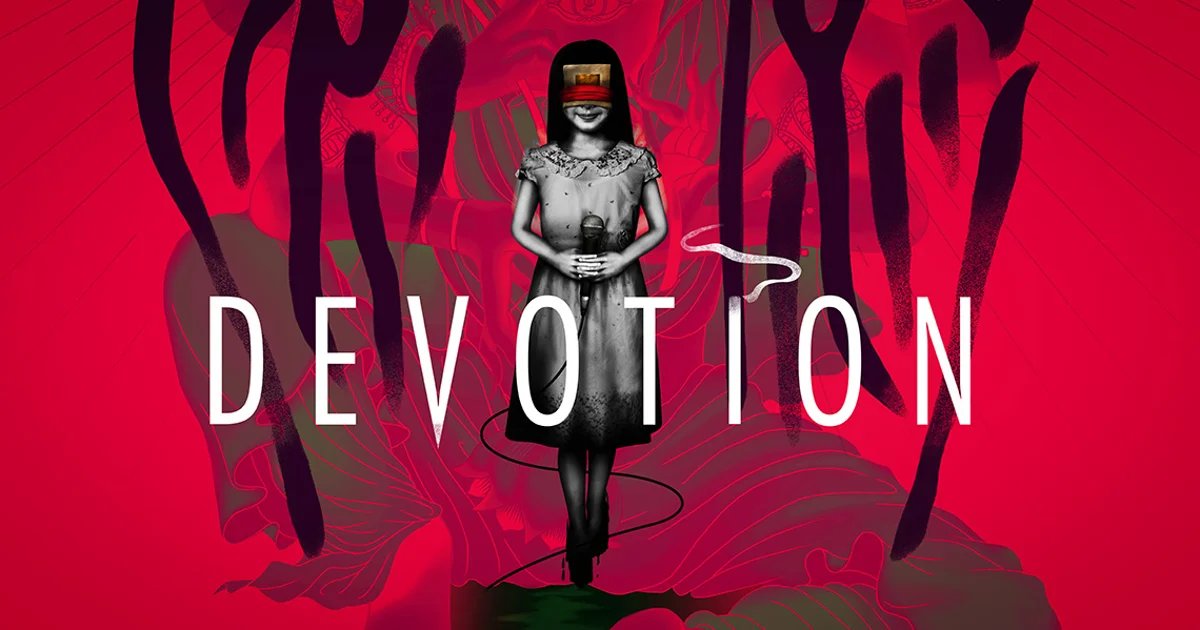
Digital online PC game store GOG has acknowledged that it “damaged the trust our users have in us” when it abruptly removed the acclaimed horror game Devotion from sale just over five years ago.
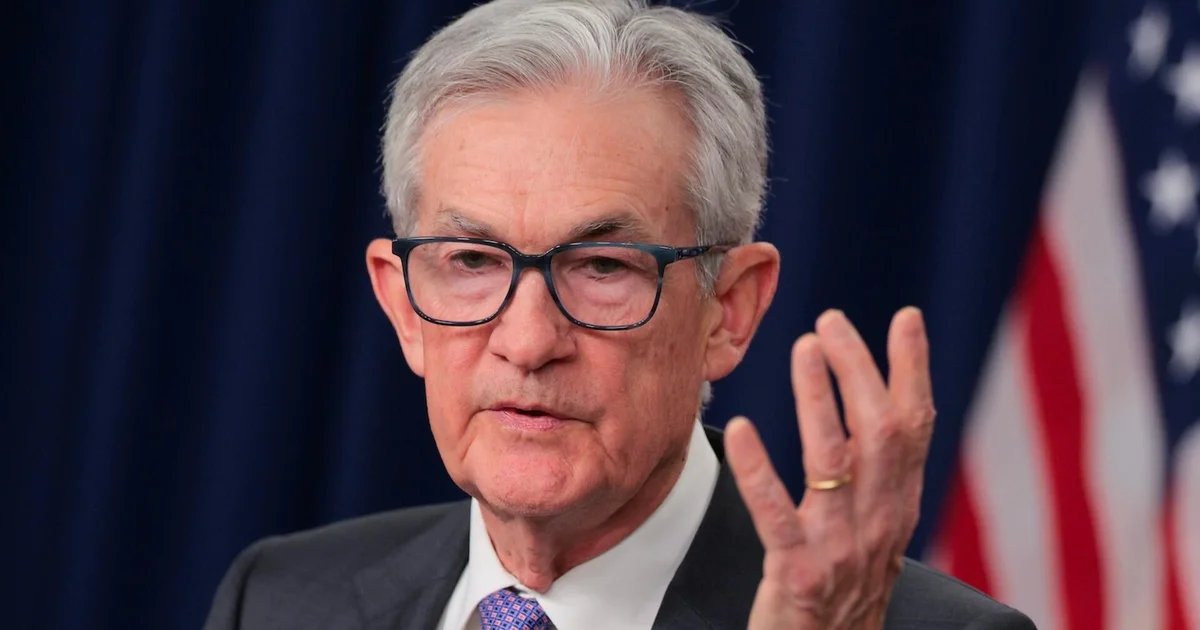
Managing director Maciej Gołębiewski reflected on the decision after facing scrutiny for a comment he made – “We as a company are always ready to take a stand on the right values” – in an interview on Eurogamer last week. That remark was made in relation to Horses, the provocative indie horror game that GOG would sell when other storefronts Steam and Epic would not. But the comments contradicted the stance GOG took with Devotion in late 2020.
To recap: Devotion is a short, smart, 1980s-set Taiwanese-made horror game – “a genre landmark”, we said in our Devotion review – initially released in early 2019 but pulled from sale after an outcry over the inclusion of unflattering references to China’s president Xi Jinping. This had dramatic consequences in China – developer Red Candle’s Weibo social media account was closed – and the game was yanked from sale on Steam.
Watch on YouTube
Red Candle insisted the offending asset was only ever a placeholder. It apologised at length for it, and removed it, so things seemed to settle enough for a prospective re-release. This is where GOG comes in. GOG announced it would sell the game but then on the same day reversed the decision, stating: “After receiving many messages from gamers, we have decided not to list the game in our store.” Was it standing for the right values then?
Maciej Gołębiewski today said: “That situation remains difficult to reflect on. At the time, we made that decision in the context of very real business constraints, a limited understanding of the complex geopolitical factors at play, and a lack of good options that would both protect GOG and partners and allow the game to be released responsibly. In hindsight, we acknowledge that this decision – and the way we communicated it – understandably damaged the trust our users have in us.
“When I say that we’re ready to take a stand on the right values, I don’t mean that we won’t make mistakes”
“But it’s also important for us to be transparent,” he added. “Keeping a global digital storefront operating means navigating legal, operational, and commercial realities that don’t always allow for ideal outcomes. In 2020, we chose a path we believed was best for GOG, even though it came at a cost to our credibility.”
The situation with Horses he said was different. That game was played by multiple GOG employees who agreed that it didn’t pose any “legal, political, or operational risk to our business or partners”. “There was no other concern driving this decision,” Gołębiewski remarked, “just a straightforward evaluation of the game itself.”
“When I say that we’re ready to take a stand on the right values,” he continued, “I don’t mean that we won’t make mistakes, or that every decision will be easy, or that we’ll never face trade-offs. I do mean that with every given opportunity, we’re striving to be clearer, more consistent, and more willing to stand behind our choices (including explaining them openly when they’re being questioned).”
Gołębiewski’s willingness to discuss the matter I believe shows a renewed push by GOG to be seen as open and approachable following its recent independence – when it separated from the mothership CD Projekt, which it had always been a part of. GOG was under CD Projekt ownership when the Devotion situation occurred, so did that heap additional pressure on? CDP is a publicly traded company answerable to investors and had far bigger concerns to deal with at the time, such as righting the rocky launch of Cyberpunk 2077.
As a private company now, GOG is answerable only to new owner Michal Kiciński, who, coincidentally, was one of the original founders of CD Projekt and one of the people who launched GOG – Kiciński remains a major shareholder at CD Projekt but he hasn’t actively worked there since 2012. Under his ownership, GOG is now autonomous and he’s apparently not afraid of taking a risk. Nothing major is set to change, but the company is looking into the possibility of branching into indie game publishing. A new era has begun.