dailynewsnblog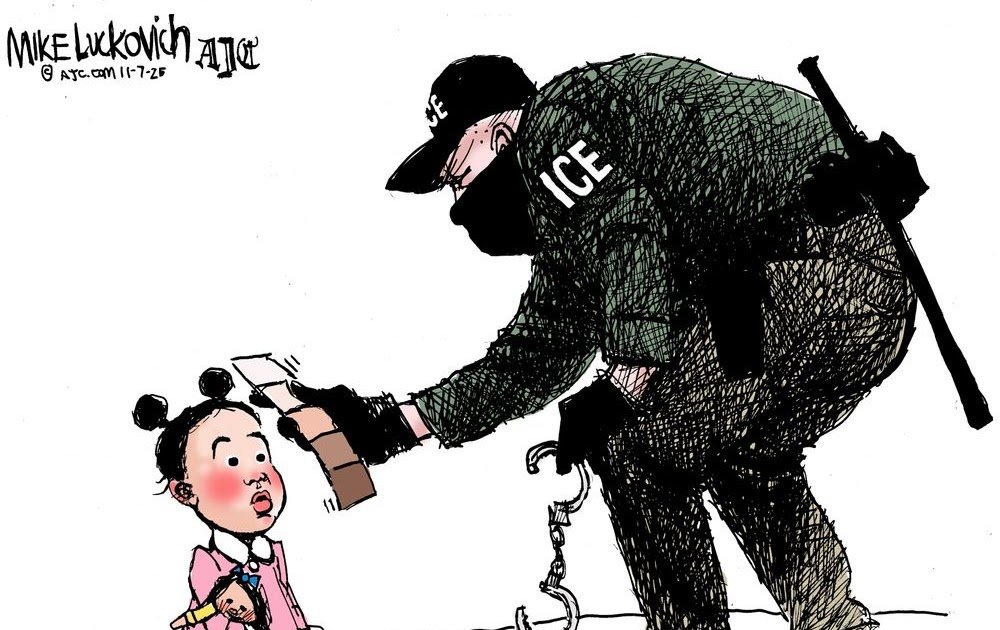

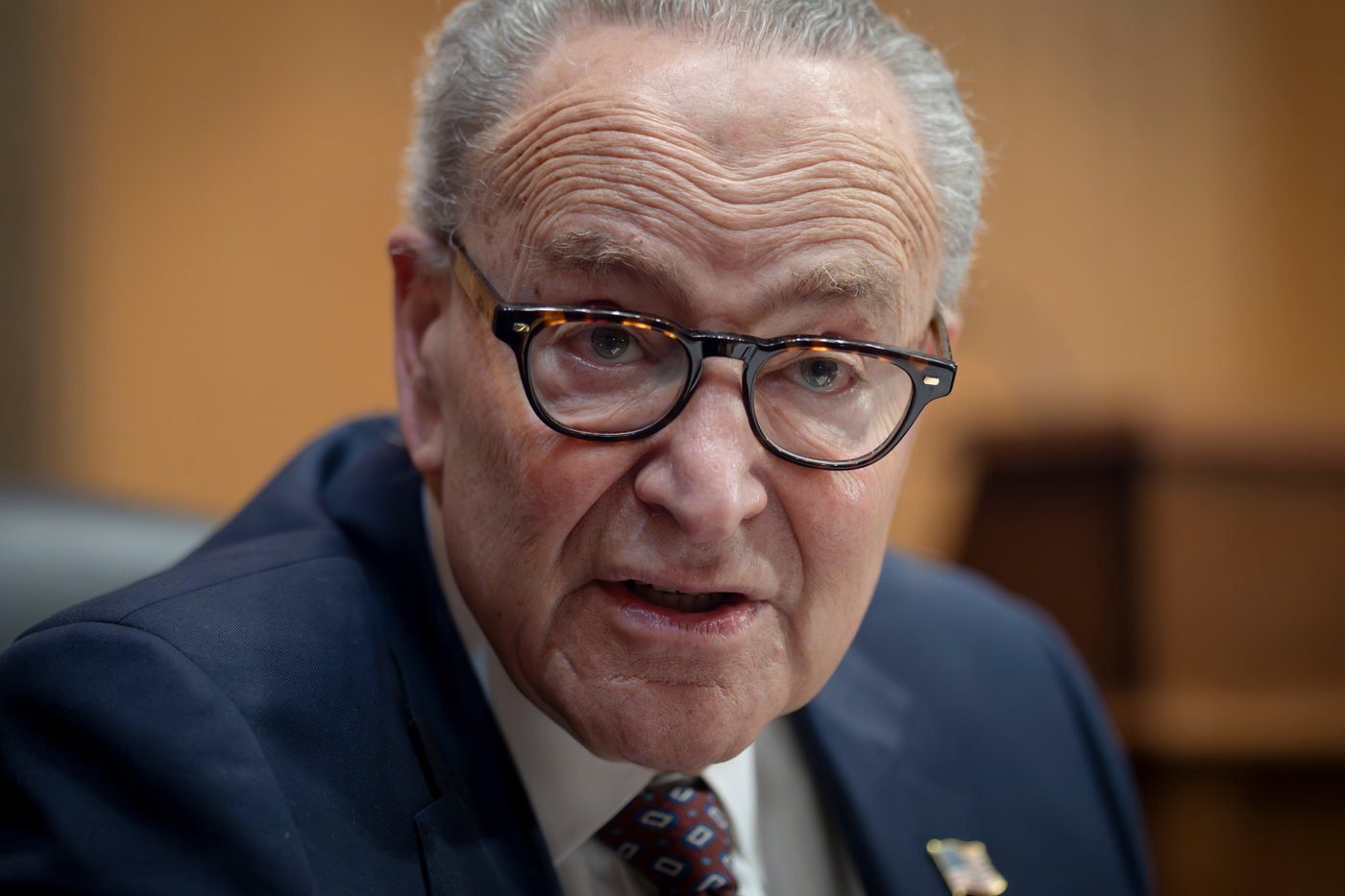
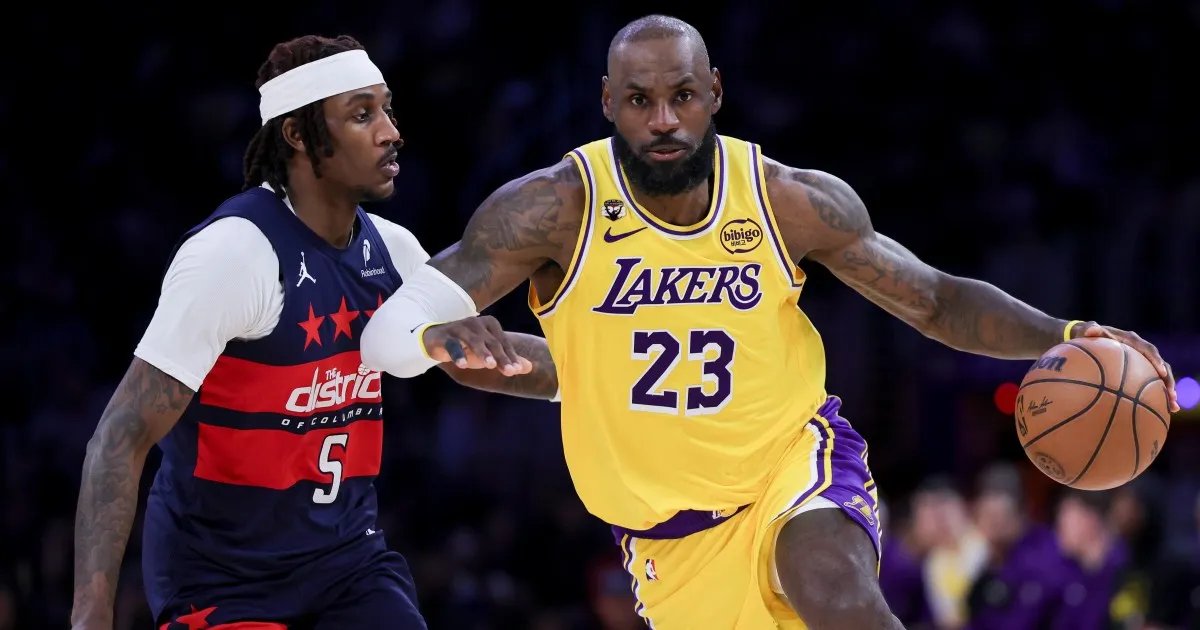
As we watch the ICE Gestapo losing their minds in the US, I thought of these three photos that changed politics:


But against America’s ICE Gestapo, they don’t work.
Front page of tomorrow’s Star Tribune.
[image or embed]
— Steve Herman (@newsguy.bsky.social) January 22, 2026 at 6:00 PM
Vance did a speech today and it didn’t go well. I think his message could be summarized as “You all just shut up and obey orders, because the floggings will continue until morale improves!”
JD Vance: “I’m headed to Minneapolis where we’re gonna talk with ICE agents and local officials about how we turn down the chaos. My simple piece of advice to them is going to be if you want to turn down the chaos in Minneapolis, stop fighting immigration enforcement.”
[image or embed]
— Aaron Rupar (@atrupar.com) January 22, 2026 at 8:48 AM
CBC News, egregiously both-sidesing fascism once again.
At some point, you just need to call out Vance’s lies, you guys.
[image or embed]
— Dale Smith (@journodale.bsky.social) January 22, 2026 at 9:53 PM
The last word on Vance’s speech:
In other news: Carney made it clear on Tuesday that Trump’s Board of Peace had to provide money to help Gaza rebuild. So on Thursday, Trump said “you can’t quit, I’m firing you!”
Newsom has this right:
WOW! WHAT AN INCREDIBLE BOARD OF PEACE!
[image or embed]
— Governor Newsom Press Office (@govpressoffice.gov.ca.gov) January 22, 2026 at 10:13 AM
Setting aside the fuzzy question of what does or doesn’t need Senate treaty ratification, the “Board of Peace” doesn’t seem to be an agreement to which the United States as such is a party at all. It’s just in his personal capacity as some random guy.
— Andy Craig (@andycraig.bsky.social) January 22, 2026 at 8:11 PM
In much more important Canadian news, Pierre Poilievre finally released a statement about Carney’s Davos speech – Paul Wells has the whole thing here.
And this is a worthwhile analysis:
In her very interesting piece, Kosky makes an important point:
…Poilievre’s statement is not merely reactionary. With his leadership review approaching next week, there is a clear incentive to reassert dominance over the economic narrative. Carney’s Davos speech positioned the Prime Minister as a serious global actor, granting him international stature and strategic credibility. Poilievre’s counter is designed to pull that authority back into domestic grievance politics, where cost of living pressures, affordability anxieties, and economic frustration offer more immediate political leverage.
At the same time, his framing is carefully calibrated for what lies ahead in trade.
The Canada–United States–Mexico Agreement contains a formal review mechanism that will soon become politically active, placing Canada’s trade posture under renewed scrutiny. Against that backdrop, Poilievre’s emphasis on tariffs, American political volatility, trade vulnerability, and national self-reliance is not incidental. It is deliberate groundwork, establishing a narrative of toughness and preparedness ahead of high-stakes negotiations.
In doing so, he is positioning Conservatives as economically firmer, more domestically anchored, and better equipped to withstand U.S. pressure. This is not simply partisan criticism. It is trade strategy framing, designed to shape public expectations long before negotiations formally begin.
This exchange reveals something far more consequential than partisan sparring. Canada is now operating in a post-stability world, where trade, security, and domestic affordability no longer exist as separate policy areas but function as a single, interconnected system. Decisions in one arena now ripple directly through the others, collapsing traditional boundaries between domestic and foreign policy.
Prime Minister Carney is articulating a global systems response to that reality, framing Canada’s strategy through long-term positioning, diversified partnerships, and structural resilience. Pierre Poilievre, by contrast, is forcing a domestic accountability lens onto the same moment, redirecting attention toward cost of living pressures, fiscal discipline, and immediate economic performance.
Both approaches are politically rational. Only one will define the dominant narrative….