dailynewsnblog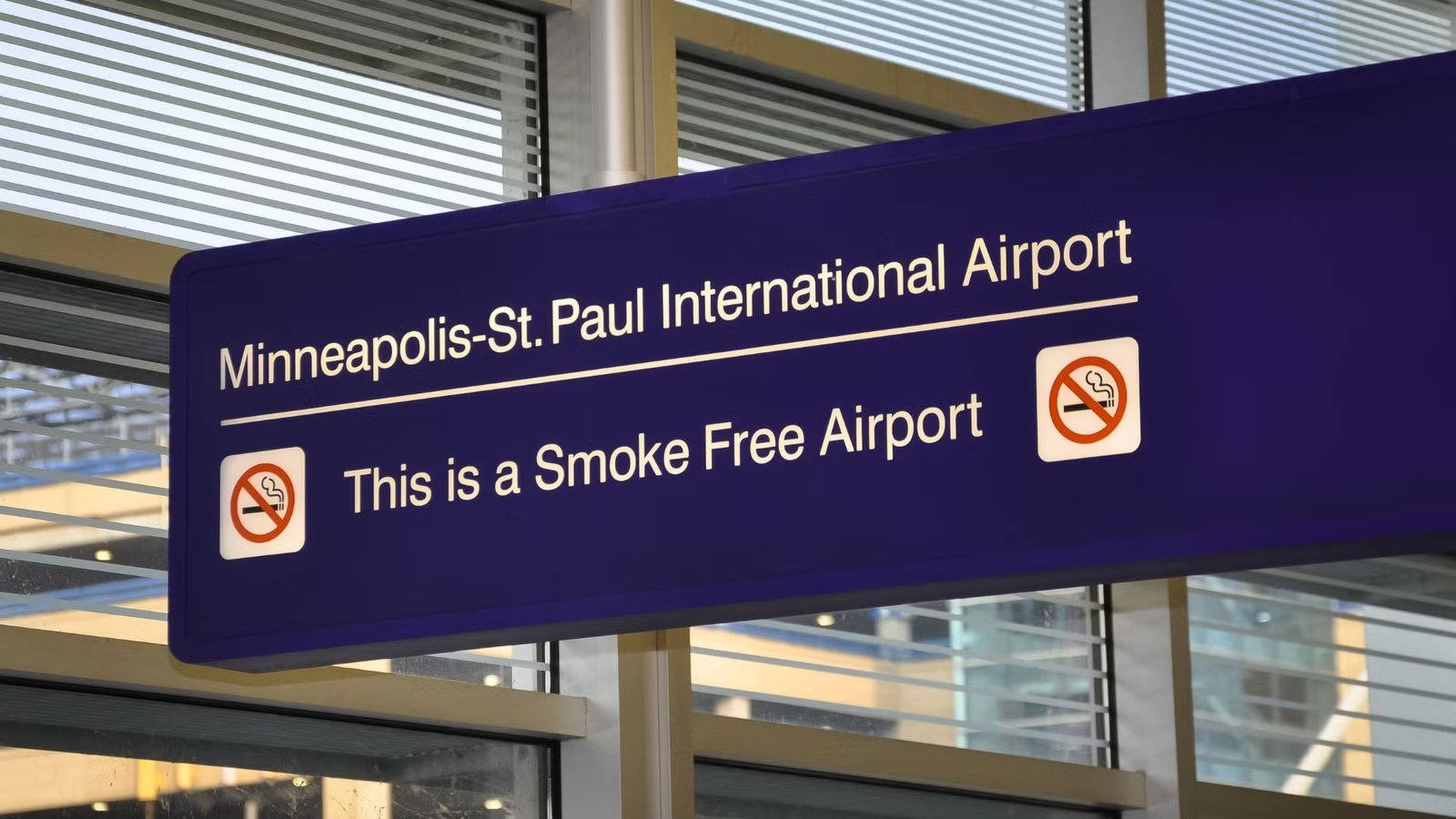
US federal authorities have launched an investigation into hundreds of millions of dollars in cash transported through  Minneapolis-St. Paul International Airport by airline passengers over recent years. The Tennessee Star reports that the inquiry focuses on large sums discovered in checked and carry-on luggage, most often linked to travelers of Somali descent departing Minnesota on international routes. According to federal sources, the cash movements were detected primarily during routine TSA screenings between 2024 and 2025. Officials are now examining whether the funds are connected to broader fraud or money-laundering activity.
The airport cash probe emerged alongside a series of major federal fraud cases centered in Minnesota, many involving pandemic-era government aid programs. Investigators are increasingly scrutinizing whether proceeds from those schemes were physically transported overseas rather than moved through traditional banking channels. While transporting large amounts of currency is not inherently illegal if properly declared, the sheer scale of the transfers has raised concerns among law enforcement. The investigation is expected to clarify how such movements went largely unchecked for years.
Federal Authorities Investigate Large Cash Movements Through Minneapolis Airport

Federal officials say TSA officers flagged approximately $340 million (approximately €293 million) in outbound cash in 2024, followed by nearly $350 million (approximately €302 million) more in 2025, all departing from MSP on international flights. The money was frequently carried by a limited number of repeat couriers, with individual trips sometimes involving seven-figure sums. Despite the alarming totals, many travelers had completed required customs declarations, limiting immediate enforcement options.
Authorities also acknowledged that earlier caution and limited inter-agency action allowed suspicious activity to persist unchecked. Only recently have investigators begun reassessing the data as part of a wider criminal inquiry. Officials now believe the movements may represent only a portion of a much larger international cash-transfer network. Homeland Security officials told Just the News:
“The Transportation Security Administration flagged nearly $700 million in cash detected in passengers’ luggage leaving the Minneapolis airport the last two years, a massive cash exodus believed to be tied to Somali immigrants and their money couriers.”
How Declared Currency And Limited Enforcement Allowed Transfers To Continue

Large physical cash transfers are often used when individuals seek to bypass formal banking systems, particularly for cross-border transactions. Minneapolis–St. Paul International Airport serves as a major gateway for flights to Africa and the Middle East, making it a strategic departure point. Investigators believe this geographic role may explain why such significant sums were repeatedly detected there.
Similar cash-carrying patterns have reportedly been identified at other major US airports, including hubs in the Midwest and on the West Coast. Federal officials say these movements often involve the same couriers making repeated trips. This has raised questions about whether the activity reflects organized financial operations rather than isolated incidents.
Authorities also acknowledged that enforcement efforts were complicated by concerns over discrimination claims. As a result, many alerts were logged without further action. Investigators are now reassessing whether the earlier caution allowed suspicious activity to persist unchecked.

ICE Agents Reportedly Detain Over A Dozen MSP Airport Workers On The Job
Agents are even patrolling jetbridges to conduct document checks.
Broader Implications For Airport Security, Fraud Probes, And Oversight

The airport cash investigation is unfolding alongside multiple high-profile fraud cases in Minnesota involving the misuse of public funds. Prosecutors have already secured convictions in several of those cases, with losses reaching into the hundreds of millions of dollars. Officials are now examining whether illicit proceeds may have been physically transported out of the country.
In response to the findings, some policymakers are calling for stricter oversight of large cash movements through commercial airports. Proposed ideas include enhanced inter-agency coordination and expanded authority for customs enforcement when unusually large sums are declared. Any policy changes could significantly alter how airports handle outbound currency.
Federal investigators caution that the current findings may represent only a fraction of the total cash leaving the United States each year. As the probe continues, additional airports and international routes could become part of the review. Officials say further disclosures are likely as agencies analyze years of historical screening data.