dailynewsnblog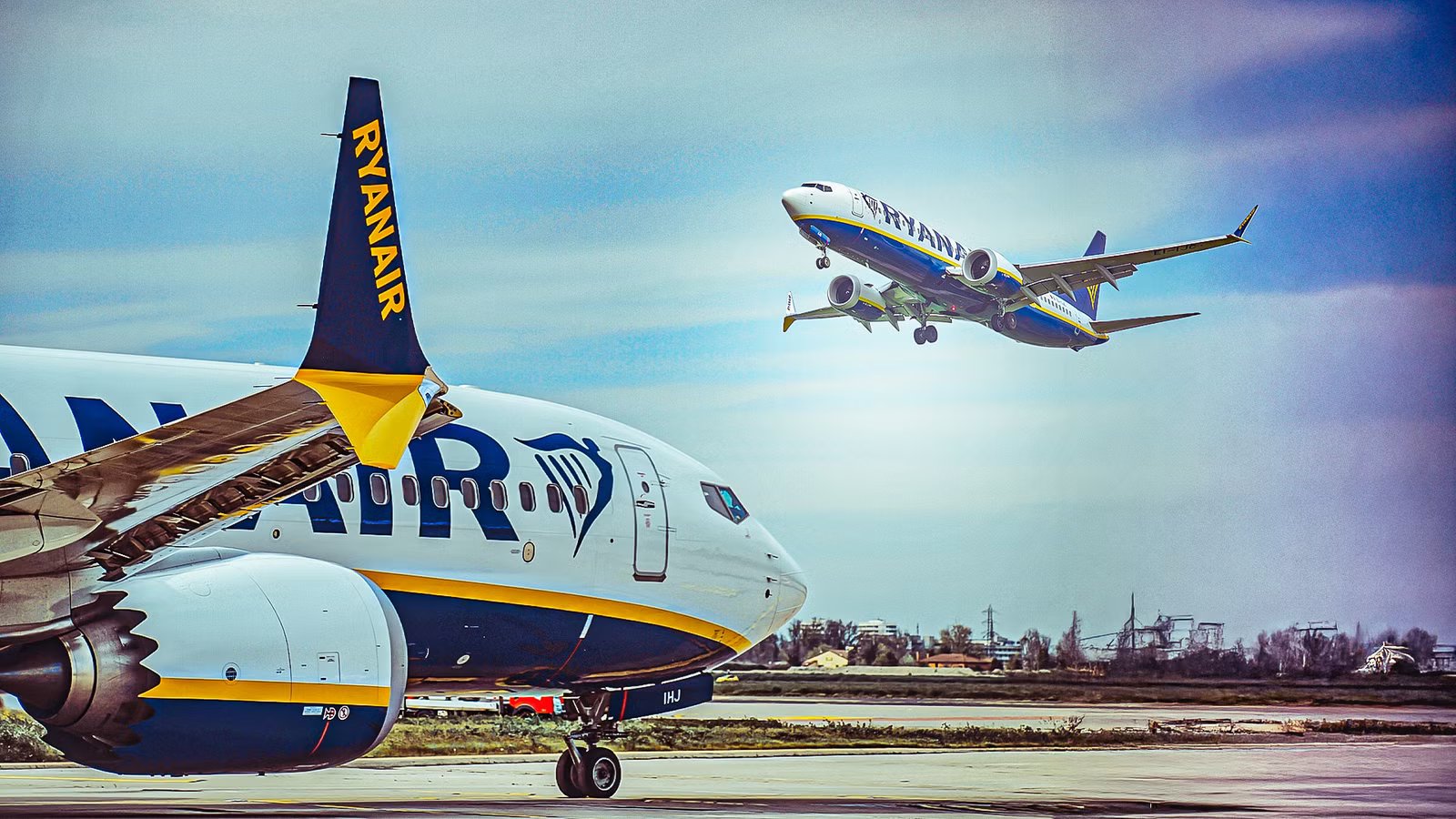
SpaceX founder Elon Musk has criticized Ryanair and its CEO after the budget airline decided against installing the company’s Starlink satellite Wi-Fi across its fleet. Ryanair chief Michael O’Leary said the in-flight connectivity product was not financially viable due to weight and drag penalties incurred by its hardware, a point that SpaceX has since refuted with its own data.
The situation quickly spiraled into personal insults, with Musk and O’Leary branding one another as “idiots” before Musk called for the airline CEO to be fired. The entrepreneur later joked about buying the airline and replacing its CEO with someone named Ryan.
Elon Musk And Ryanair Feud Over Starlink Rejection

Earlier this week, O’Leary revealed that Ryanair would not be investing in SpaceX’s Starlink product, citing a “two percent fuel penalty” due to weight and drag increases. Musk responded on X, stating that O’Leary “is being misinformed,” and was backed up by Michael Nicolls, VP of Starlink Engineering, who said the company’s analysis pointed to no more than a 0.3% fuel penalty for a Boeing 737-800. While the disagreement had been civil up until this point, things turned sour after O’Leary’s later comments during a radio station interview.
In this interview with Newstalk, O’Leary said that he “would pay no attention whatsoever to Elon Musk,” branding him as “very wealthy, but still an idiot.” He added that Musk knows nothing about flights and drag, citing additional yearly costs of $250 million, or around an extra dollar for every passenger it flies, for having Starlink equipped. Musk responded to this on X by calling O’Leary an “utter idiot” and stating he should be fired, before suggesting he would buy Ryanair and fire O’Leary himself.
Ryanair’s social media account also got in on the act, poking fun at Musk after his platform, X, suffered a widespread outage across the US. Musk responded to this with,
“Should I buy Ryan Air and put someone whose actual name is Ryan in charge?”
Starlink And Fuel Efficiency

Implementing Starlink on an aircraft requires the installation of additional hardware, including an antenna and radome on the exterior of the plane. This adds weight to the plane and also increases aerodynamic drag, inevitably leading to higher fuel consumption. O’Leary put this penalty at around two percent, but Starlink claims its own studies have demonstrated just a fraction of that.
Starlink engineer Niccols said O’Leary’s figure was accurate for older aircraft Wi-Fi terminals, but Starlink’s newer design was drastically thinner to slash the aerodynamic penalty. In fact, airlines often cite Starlink as offering far better performance dynamics than rival hardware, primarily due to its thin, lightweight design.
As for the onboard performance of Starlink’s Wi-Fi, a 2025 study from Cornell University showed that the product delivered far better Wi-Fi speeds and reliability compared to legacy systems. This has enabled more data-intensive internet usage — such as streaming and video conferencing — and download speeds often exceeding 200 Mbps, which is comparable to home Wi-Fi performance.

Why The World’s Fastest Satellite Internet Isn’t Good Enough For Ryanair
Elon Musk’s Starlink Faces Rejection from Budget Airline Giant.
Will Passengers Pay For Wi-Fi?

Although airlines have historically recouped some of the performance penalties through paying passengers, modern carriers are increasingly offering onboard Wi-Fi as a complimentary service. As Musk points out, Ryanair could stand to lose customers if rival airlines deliver a service that is in demand among travelers.
Unlike most carriers that offer Starlink free-of-charge, as an ultra-low-cost carrier (ULCC), Ryanair would have wanted to charge ancillary fees to access Starlink. However, this paywall is usually enough to put passengers off from using Wi-Fi, according to O’Leary. While noting that they will happily use in-flight Wi-Fi if it’s free, he said passengers “won’t pay one Euro each to use the internet,” particularly on shorter flights.
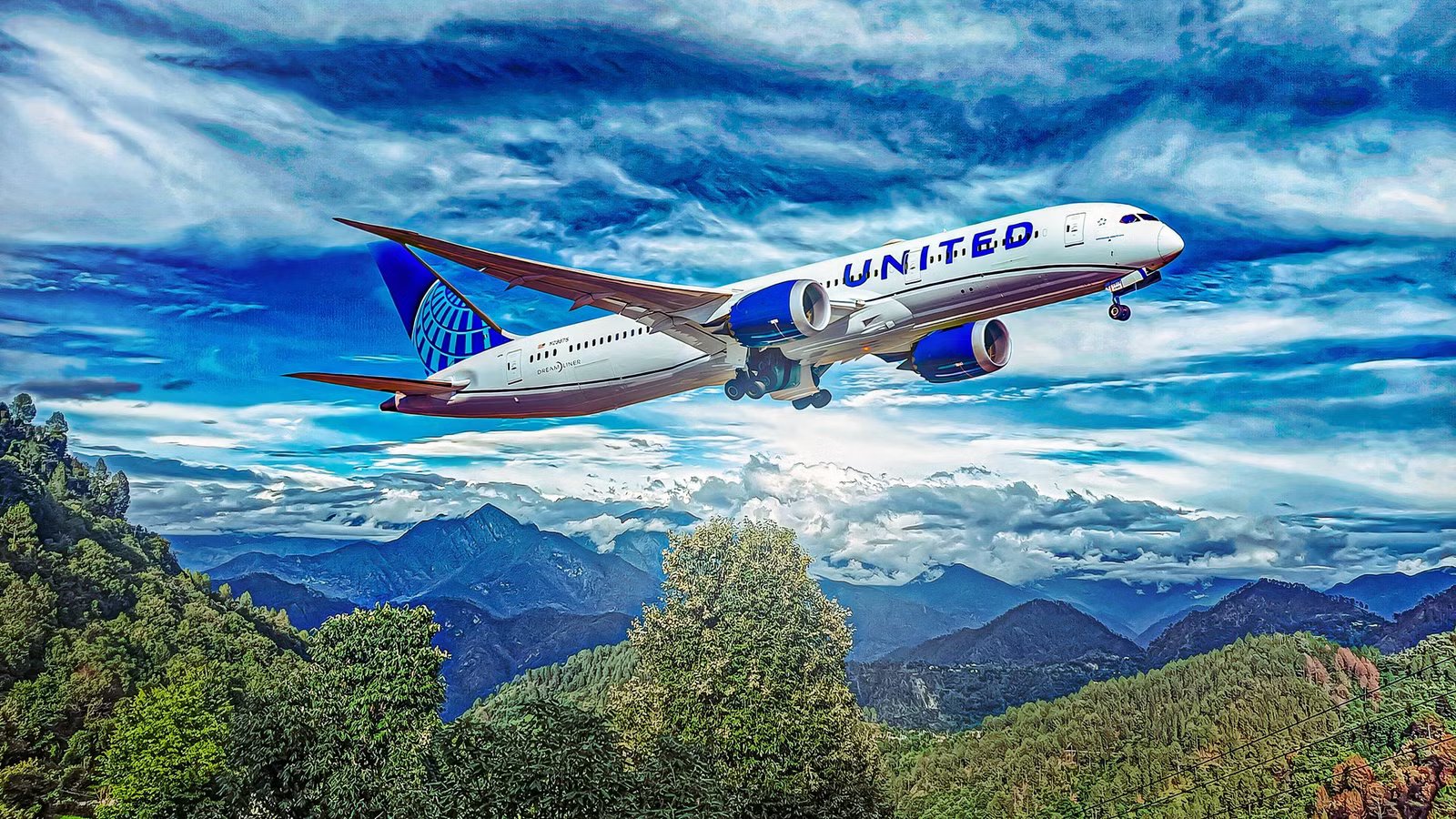
Starlink is growing increasingly popular with airlines worldwide, with German carrier Lufthansa recently announcing it was bringing Starlink to its entire fleet of around 850 aircraft. Over 30 carriers have introduced or announced deals with Starlink for its onboard Wi-Fi product, including the likes of airBaltic, Alaska Airlines, Qatar Airways and United Airlines.