dailynewsnblog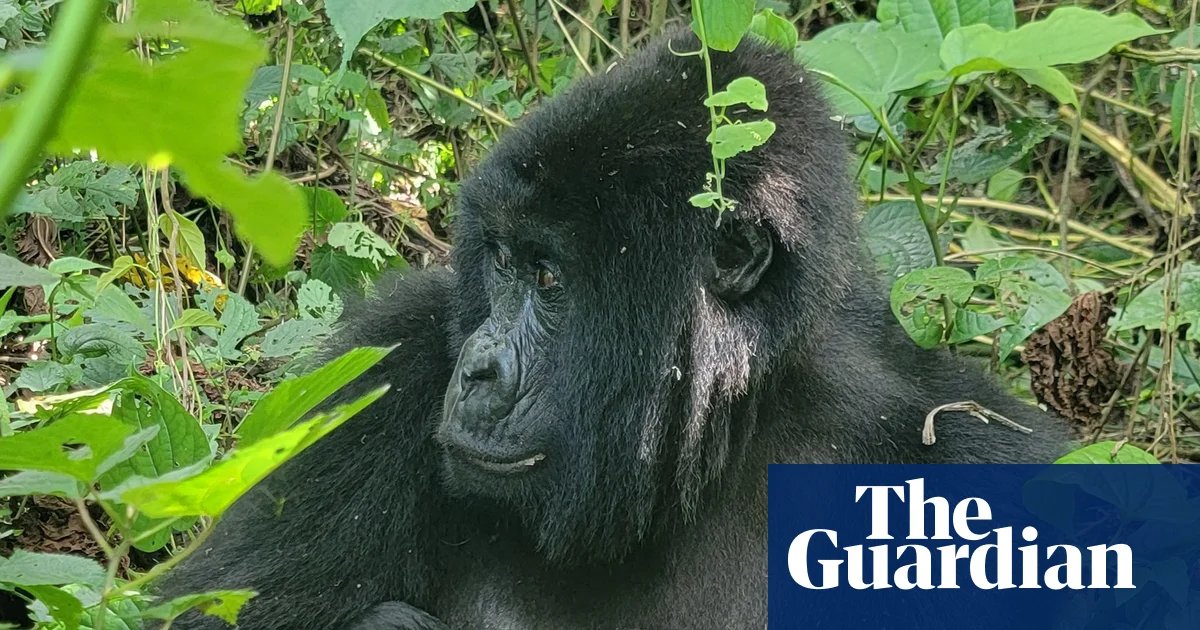
It was noon by the time Jacques Katutu first saw the newborn mountain gorillas. Cradled in the arms of their mother, Mafuko, the tiny twins clung to her body for warmth in the forest clearing in Virunga national park, in eastern Democratic Republic of the Congo (DRC).
Katutu, head of gorilla monitoring in Virunga, has seen dozens of newborns in his 15 years as a ranger. But, he tells the Guardian, even he was touched by the sight of the fragile infant males, who face serious obstacles if they are to become silverbacks one day.
“Watching Mafuko holding two babies was both moving and filled me with responsibility, given the twins’ extreme vulnerability,” he says.
“Twin births in mountain gorillas are extremely rare and always present significant survival challenges. We are cautious and vigilant, while also maintaining hope. The first four weeks are the most critical.”
The mother and her babies are being monitored daily since they were spotted on 3 January, with specialist vets on hand if the gorillas show signs of distress. The young males are healthy for now, rangers say, but the subspecies has high rates of infant mortality – with about a quarter falling victim to disease, trauma or infanticide.
Mafuko gave birth to twins in 2016, but neither survived more than a few days. The males have been born into the Bageni family, Virunga’s largest group of mountain gorillas, which now has 59 members. Despite the rangers’ caution, their arrival is another milestone in one of the greatest conservation success stories of the past century.
Barely 250 mountain gorillas were left in the 1970s, split between two isolated territories in south-west Uganda and the Virunga massif mountain range, and many thought the animals faced extinction.
Decades of intense conservation work saw population numbers surpass 1,000 in 2018 and the gorilla subspecies has since been downgraded from critically endangered to endangered by conservation authorities.
But the DRC section of Virunga mountain range remains one of the most dangerous places in the world for wildlife rangers. Over the past 20 years, more than 220 rangers have been killed in the park, where rebel groups such as M23 and other militias, as well as bandits, operate with impunity.
Mafuko is an example of the species’ resilience, say conservationists. Her mother was killed by an attacker when she was four but she has gone on to have several young, including the latest newborns.
“Mafuko is an experienced mother. She is carrying both babies and is attentive to their needs. This is encouraging, although the situation remains delicate,” says Katutu.
“We are closely monitoring the twins and mother – observing her breastfeeding and the overall health of the newborns. Allowing her to care for her babies naturally and minimising intervention is the priority.”
Specialist veterinary care has played a leading role in the revival of the species. In Rwanda, Uganda and the DRC, organisations such as the Gorilla Doctors have prevented dozens of deaths by helping animals affected by human behaviour, such as releasing gorillas accidentally caught in poachers’ traps. One study attributes half of the mountain gorillas’ population increase to the vets.
Katutu says that neither infant will be named until their survival looks more certain. But for now, at least, the signs are promising.
“Initial observations show that they are calm and maintain good contact with their mother. Their behaviour is consistent with newborns in a good condition, while remaining very vulnerable,” he says.
Find more age of extinction coverage here, and follow the biodiversity reporters Phoebe Weston and Patrick Greenfield in the Guardian app for more nature coverage