dailynewsnblog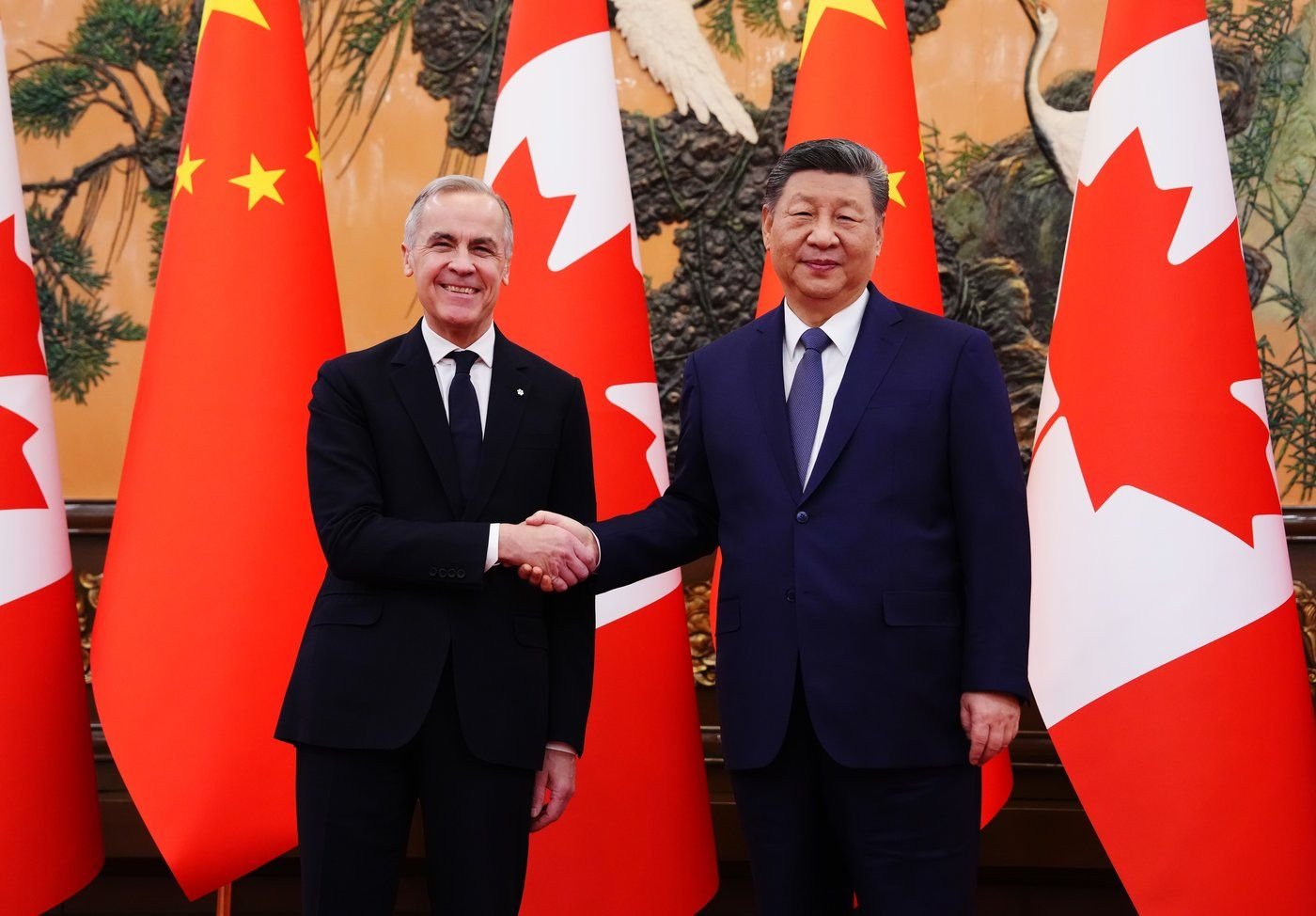
Carney described this as a “preliminary but landmark” agreement to remove trade barriers and reduce tariffs, part of a broader strategic partnership with China.
The Liberal government has reached a deal with Beijing to allow tens of thousands of Chinese electric vehicles into the domestic market in exchange for dropping duties on canola products, Prime Minister Mark Carney said Friday.
It marks the prime minister’s first deal on trade with another country since taking office last year and a de-escalation in tensions with a country the Liberal government had, in recent years, branded a disruptive power and Carney had called the biggest threat facing the country.
Carney described this as a “preliminary but landmark” agreement to remove trade barriers and reduce tariffs, part of a broader strategic partnership with China.
“It’s a partnership that reflects the world as it is today, with an engagement that is realistic, respectful and interest-based,” Carney told a news conference in Beijing.
Carney said Ottawa expects Beijing to drop canola seed duties to 15 per cent by March, and called that “enormous progress.”
Canadian canola meal, lobsters, crabs and peas will no longer be subject to Chinese “anti-discrimination” tariffs from March to at least the end of the year. There was no mention of canola oil.
In return, Canada will allow up to 49,000 Chinese electric vehicles into the Canadian market each year, at a 6.1 per cent tariff.
Carney said that will make some EVs more affordable for Canadians and that this would be just a tiny sliver of the Canadian domestic market — about three per cent.
The pact comes just hours after Carney met with President Xi Jinping, ending a multi-year trade dispute that began when the last Liberal government levied EV tariffs to protect Canada’s auto sector.
Just a year ago during the spring election, Carney described China as the biggest threat facing the country. Speaking to media Friday, his answer was less clear-cut.
“The security landscape continues to change, and in a world that’s more dangerous and divided, we face many threats,” Carney replied when asked by a reporter. “You manage the threats through engagement.”
The deal also comes as the Liberal government seeks to double non-U.S. exports by 2030 — and boost them by 50 per cent to China by that date as well.
Carney said he raised human rights in the meeting with Xi, and said Canada has a “value-based realism” to its approach.
“We fundamentally stand up for human rights, for democracy, territorial integrity, rights to self-determination,” he said. “We take the world as it is, not as we wish it to be.”
Relations between Canada and China have been frosty in the past five years, but this signals that is starting to thaw — at least on trade.
Two years ago, Ottawa followed moves by former U.S. president Joe Biden and the European Union to counter China’s rapidly growing electric vehicle industry.
Former prime minister Justin Trudeau’s government imposed 100 per cent tariffs on Chinese electric vehicles in 2024, arguing the prospect of dumping cheap, heavily subsidized EVs constitutes a threat to the North American auto sector.
Ottawa had also slapped a 25 per cent import tax on steel and aluminum.
China responded in March 2025 by hitting Canada with a 100 per cent tariff on canola oil, peas and other products, along with 25 per cent on pork and seafood products such as lobster.
The move halted exports of canola oil, strangled exports of canola meal and peas and throttled pork as well.
That was followed by a levy of almost 76 per cent on canola seed in August that year, and ratcheted up pressure on Ottawa from the prairies to ease the escalating trade tensions.
China’s anti-dumping investigation into canola seeds was set to wrap up in March.
Canada is the top global exporter of canola and China is the industry’s second-largest market after the U.S.
Carney and Xi met in the fall on the sidelines of the Asia-Pacific Economic Cooperation forum in South Korea. It marked the first official meeting between the leaders of Canada and China since 2017.
On Friday, Xi described that as a “turnaround” in bilateral relations.
In the wake of that key meeting last fall, both leaders directed their officials to work on resolving lasting trade irritants.
Saskatchewan Premier Scott Moe travelled to China for some of the top-level meetings — a key priority for him since the tariffs have been punishing a major Prairie crop. His province makes up for just over half of Canada’s total canola production.
Moe also travelled to China in September alongside federal officials, hoping to resolve the dispute.
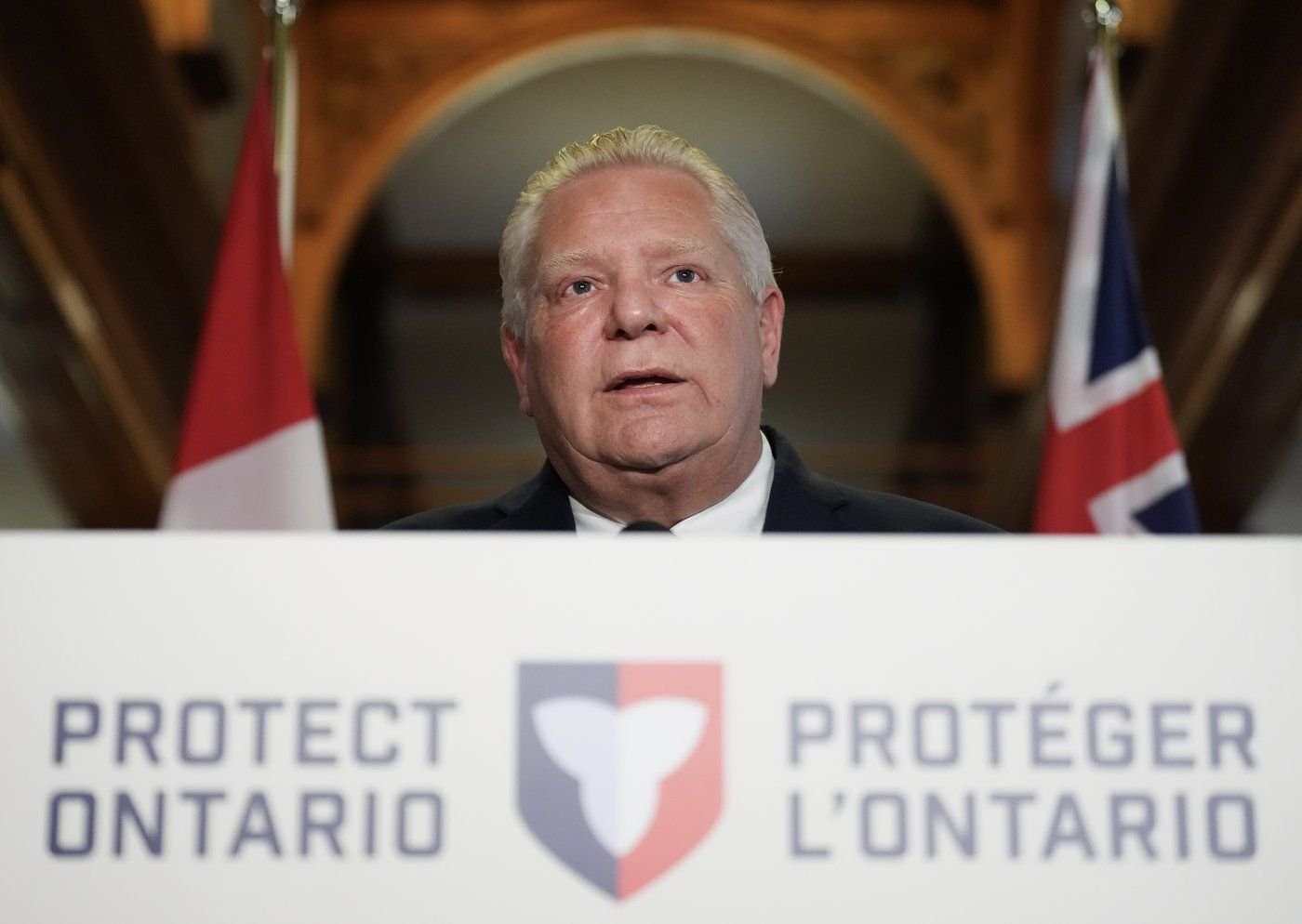
Ontario Premier Doug Ford has maintained the EV tariffs should remain — unless China opens an EV factory in Ontario and hires unionized Canadian workers.
Carney suggested in French that may be in the cards.