dailynewsnblog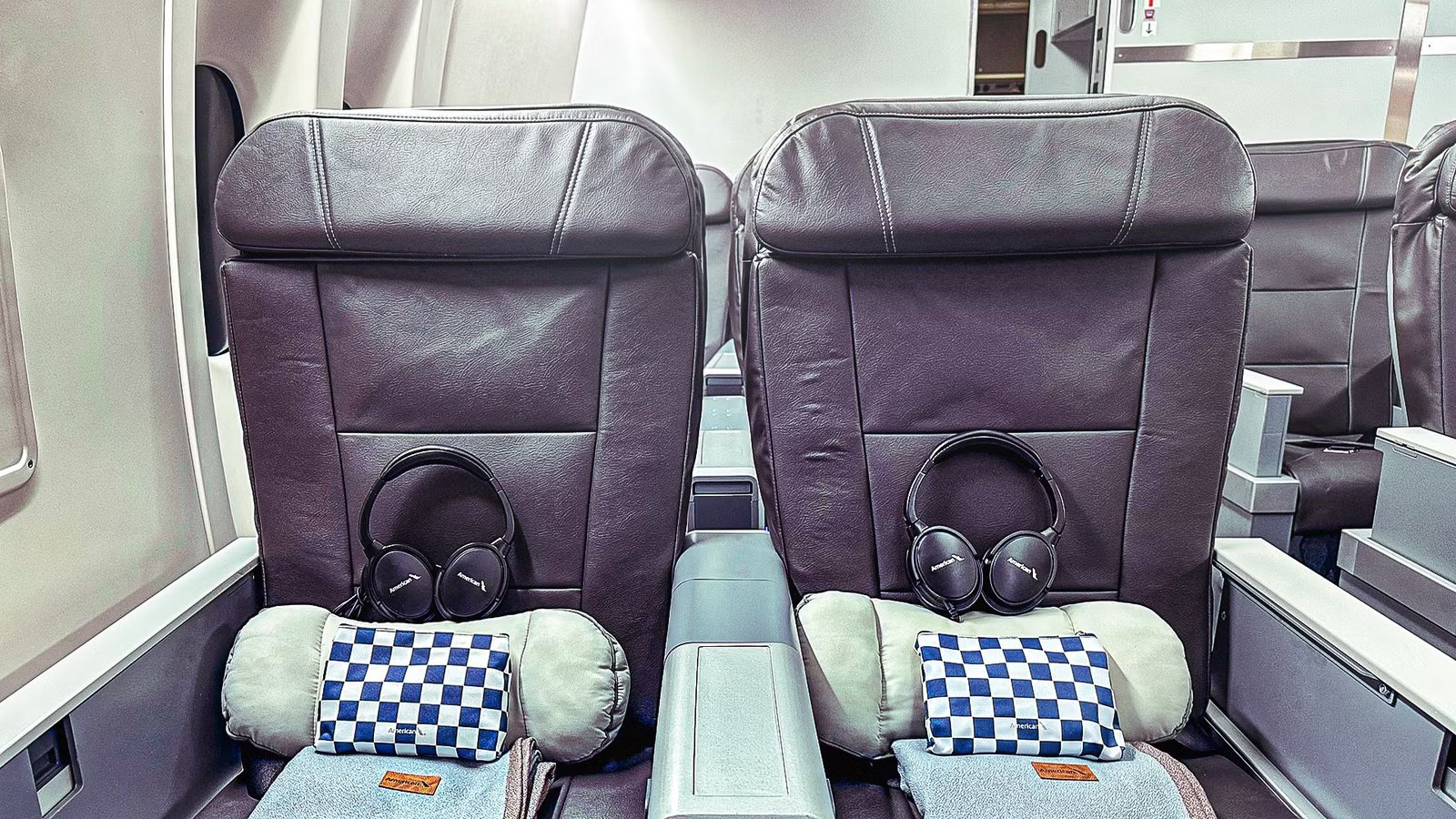
Premium economy as a concept dates back to the early 1990s, when EVA Air introduced a distinct intermediate cabin aimed at passengers seeking greater comfort without premium pricing. Since then, the product has emerged as a compelling middle ground, offering more space, improved amenities, and enhanced service compared to standard economy, without the cost or exclusivity of business class. They have evolved into a standardized offering across most long-haul fleets, particularly as airlines respond to post-pandemic demand for comfort-focused, value-driven travel.
By focusing on award-recognized airlines and clearly documented cabin features, this guide examines the world’s most comfortable long-haul premium economy products you can book today, drawing directly from the 2025 Skytrax World Airline Awards, official airline specifications, and first-hand video reviews to provide a clear, evidence-based comparison.
The Key Factors In Premium Economy Comfort

Comfort in premium economy is primarily defined by seat geometry, including pitch, width, and recline. Most long-haul premium economy seats offer pitch between approximately 38 and 42 inches (96.5 and 106.7 centimeters), a significant increase over the 31–32 inches (78.7– 81.3 centimeters) typical in economy class. Wider seats, deeper recline, and the addition of leg or footrests contribute to reduced fatigue and improved circulation on extended flights.
Seat design and materials also matter. Adjustable headrests, lumbar support, and more substantial seat padding help passengers maintain better posture during long periods of sitting. Many airlines supplement these physical improvements with larger entertainment screens, upgraded headphones, and universal power outlets to support both rest and productivity.
Cabin layout further affects comfort perception. Premium economy cabins usually feature fewer seats per row and are located in quieter zones of the aircraft, often separated from standard economy. Service enhancements such as upgraded inflight meals, welcome drinks, and amenity kits, vary by airline but consistently distinguish premium economy from economy. Industry awards and passenger reviews show that the best premium economy products balance space, seat engineering, and service consistency rather than relying on any single feature.
Virgin Atlantic: The Award‑Winning Pioneer

Virgin Atlantic was named World’s Best Premium Economy Class Airline in the 2025 Skytrax World Airline Awards, reflecting its long‑standing commitment to this cabin category. The airline’s Premium cabin is designed to balance physical comfort with elevated service, making it especially appealing on transatlantic routes.
Virgin Atlantic premium economy seats typically offer around 38 inches (96.5 centimeters) of pitch, with width varying by aircraft type — notably up to 21 inches (53.3 centimeters) on older Airbus A330-300 aircraft. Recline is substantial for the class, at around 8 inches (20.3 centimeters), and all seats include a personal entertainment screen measuring 13.3 inches (33.8 centimeters) diagonally. Configurations commonly follow 2‑3‑2 or 2‑4‑2 layouts, helping ensure a more open feel compared with economy.
|
Metric |
Value |
|
Seat pitch |
38 inches (96.5 centimeters) |
|
Seat width |
Up to 21 inches (53.3 centimeters) on Airbus A330-300, 18.5 inches (46.9 centimeters) on Airbus A350 and Boeing 787-9s |
|
Recline |
~8 inches (20.3 centimeters) |
|
IFE screen size |
13.3 inches (33.8 centimeters) |
|
Layout |
2-3-2 / 2-4-2 |
Source:boltflight.com
Service plays a central role: welcome drinks, upgraded meals served on proper tableware, and a dedicated cabin crew reinforces the sense of separation from economy. Video reviews frequently highlight the relaxed cabin atmosphere and consistent execution across long-haul routes.

5 Superior Premium Economy Seats You Can Book Today
Premium economy offers elevated amenities without the business-class price tag.
Japan Airlines: Engineering-Led Comfort

Japan Airlines (JAL) secures its place near the top of many premium economy rankings through a focus on engineering and space optimisation. Its premium economy seats are built around a fixed‑shell design that allows the seat to recline without encroaching on the space of the passenger behind, a major advantage on long flights where shared space can quickly feel crowded.
JAL’s premium economy offers one of the largest seat pitches in any long‑haul product, at 42 inches (106.7 centimeters), and seat widths around 19 inches (48.3 centimeters). While recline varies depending on aircraft and configuration, the shell‑based mechanism typically yields an effective recline comparable to about 7–8 inches (17.8–20.3 centimeters), without infringing on neighboring space. Many aircraft also feature large entertainment screens up to 16 inches (40.6 centimeters).
|
Metric |
Value |
|
Seat pitch |
42 inches (106.7 centimeters) |
|
Seat width |
~19 inches(48.3 centimeters) |
|
Recline |
Shell-based (comparable to ~7–8 inches, 17.8–20.3 centimeters) |
|
IFE screen size |
Up to 16 inches |
|
Layout |
2-4-2 / 2-3-2 |
Source: Simple Flying
Entertainment screens are notably large for the category, and in-seat power supports long-duration use of personal devices. Passenger reviews and video evaluations frequently emphasize the reduced disturbance caused by the shell design, which contributes to a calmer cabin environment. Combined with attentive service and thoughtfully presented meals, JAL’s premium economy is often cited as one of the most functionally comfortable products in the market.
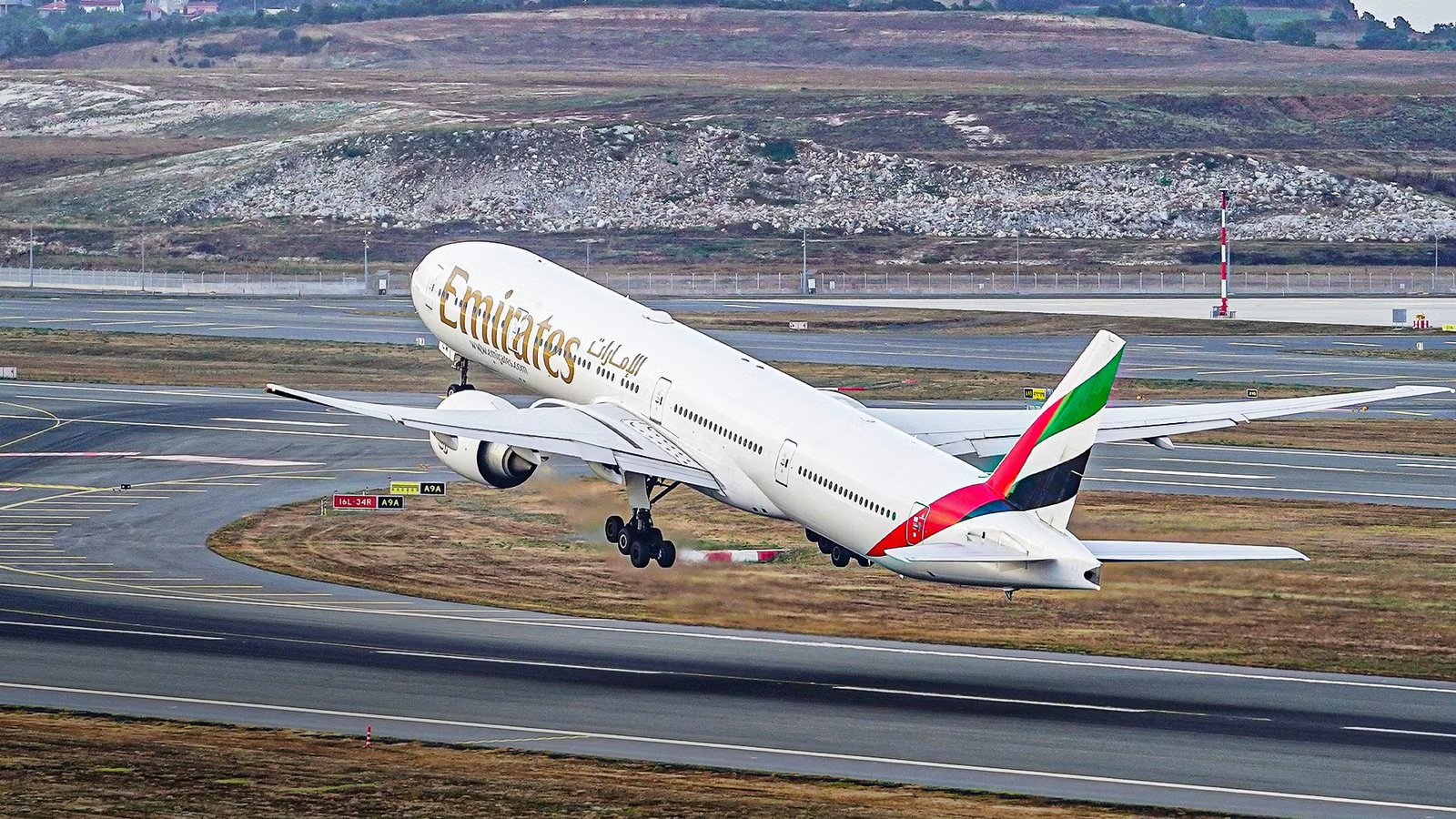
Emirates: Visual Luxury And Space

 Emirates’ premium economy offering is among the most comprehensive in the sky, earning strong recognition in the 2025 industry landscape. Although introduced more recently than some competitors, Emirates’ premium economy cabins have quickly gained acclaim for combining solid physical dimensions with an elevated aesthetic.
On typical Emirates long‑haul aircraft, premium economy seats deliver up to 40 inches (101.6 centimeters) of pitch and 19.5 inches (49.5 centimeters) of width, with approximately 8 inches (20.3 centimeters) of recline. Entertainment screens measure 13.3 inches (33.8 centimeters) diagonally. The 2‑4‑2 configuration maintains good flow and accessibility.
|
Metric |
Specification |
|---|---|
|
Seat pitch |
Up to 40 inches (101.6 centimeters) |
|
Seat width |
19.5 inches (49.5 centimeters) |
|
Recline |
8 inches (20.3 centimeters) |
|
IFE screen |
13.3 inches (33.8 centimeters) |
|
Typical layout |
2‑4‑2 |
Inflight entertainment is delivered through large, high-resolution screens connected to the airline’s extensive system, while dining includes multi-course meals and upgraded beverages. Reviews consistently note the sense of openness and polish, particularly on ultra-long-haul routes connecting the Middle East with North America, Europe, and Asia. Emirates’ strengths lie not just in space, but in luxurious cabin finishes, consistent seat quality, and a cohesive service experience that elevates the premium economy class visually and materially.

Here’s How Much More Spacious Premium Economy Is Compared To Economy Class
Premium Economy delivers 5–8 more inches of legroom, wider seats, and deeper recline—offering a calmer, more comfortable upgrade from standard Economy
American Airlines, Delta Air Lines, And United Airlines: A Closer Look At US Premium Economy

US carriers now treat premium economy as a core long-haul product rather than an add-on, with clearly branded offerings across international fleets.
-
Delta Air Lines Premium Select:
 Delta Air Lines
’ Premium Select is positioned as a comfort-focused cabin emphasizing seat design and soft product enhancements. Seats offer increased pitch, wider cushions, adjustable headrests, and footrests, paired with upgraded dining and amenity kits. Delta highlights the use of memory-foam cushioning and improved recline, with reviews noting a noticeable improvement over economy on long-haul routes. Premium Select is increasingly deployed across transatlantic and transpacific networks. -
United Airlines Premium Plus:
 United Airlines
’ Premium Plus cabin focuses on space and bedding comfort. Seats are wider than economy, with additional legroom, enhanced recline, and footrests. United emphasizes upgraded dining, complimentary alcoholic beverages on long-haul flights, and improved service flow compared to economy. Reviews frequently cite the improved seat width and dedicated cabin as the product’s strongest advantages. -
American Airlines Premium Economy:
 American Airlines
’ Premium Economy offers wider seats, greater pitch, and enhanced recline, along with adjustable headrests and footrests. The airline includes upgraded meal service, amenity kits, and priority boarding. While seat dimensions are competitive with Delta and United, reviews suggest that consistency varies by aircraft type, making seat selection particularly important.
|
Airline |
Seat pitch |
Seat width |
Recline |
IFE screen size |
Notes |
|---|---|---|---|---|---|
|
Delta Air Lines – Premium Select |
38 inches (96.5 centimeters) |
18.5–19 inches (47–48.3 centimeters) |
~7 inches (17.8 centimeters) |
Up to 13.3 inches (33.8 centimeters) |
Widest rollout across long-haul fleet; strong soft product |
|
United Airlines – Premium Plus |
~38 inches (96.5 centimeters) |
~18.5–19 inches (47–48.3 centimeters) |
~6 inches (15.2 centimeters) |
~13 inches (33 centimeters) |
Slightly less recline; excellent bedding and storage |
|
American Airlines – Premium Economy |
~38 inches (96.5 centimeters) |
~18.5–19 inches (47–48.3 centimeters) |
~7 inches (17.8 centimeters) |
Larger than economy (exact size not published) |
Competitive hard product; dimensions vary by aircraft |
Collectively, US premium economy products deliver a meaningful comfort upgrade over economy and are competitive on transatlantic and transpacific routes, though they generally emphasize practicality and network coverage over the more design-forward approaches seen on some Asian and Middle Eastern carriers.
Overall, US carriers cluster closely together in seat pitch and width. Differences tend to emerge more from soft product elements (such as baggage policies, amenity kits, and service culture) than from hard dimensions, which is reflected in passenger feedback across long‑haul routes.
Final Perspective

Premium economy has become a mature and clearly differentiated cabin class, offering tangible comfort benefits for long-haul travelers who want more space and better service without the cost of business class.
When choosing a premium economy product, travelers should consider more than just seat dimensions. Japan Airlines stands out for its generous legroom and innovative fixed‑shell seat design that preserves personal space during recline, while Emirates combines a wide seat with a polished cabin aesthetic and one of the most robust in‑flight entertainment systems available.
Virgin Atlantic balances comfort, service, and distinctive cabin personality, a combination that earned it top honors in the 2025 Skytrax awards, whereas British Airways delivers consistent, reliable comfort with a refined touch that appeals to traditional travelers.
US carriers such as Delta, United, and American offer solid baseline comfort with slightly smaller pitch and width compared with some Asian and Middle Eastern carriers, but make up for it with strong loyalty perks, extensive networks, and dependable service.
Premium economy remains one of the most impactful ways to upgrade your long‑haul experience without breaking the bank — and knowing exactly what those inches mean in practice will help you pick the right seat for your next adventure.