dailynewsnblog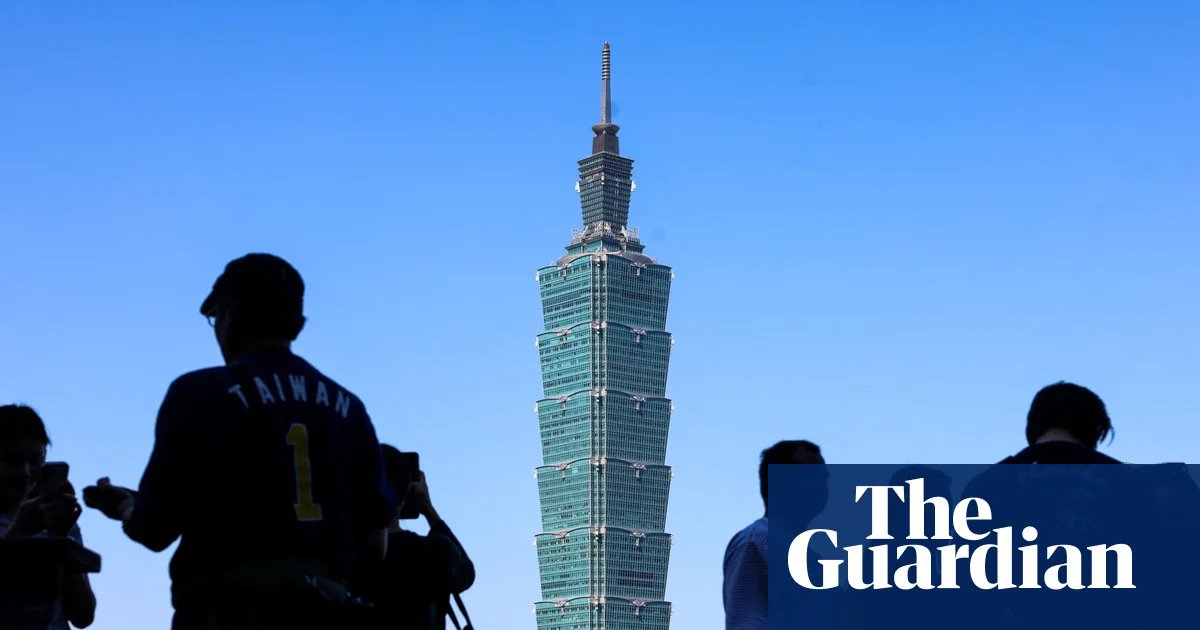
The US said on Thursday that it had signed a deal with Taiwan to reduce tariffs on goods from the democratic island, while increasing Taiwanese semiconductor and tech companies’ investments in America.
The agreement, the US commerce department said, “will drive a massive reshoring of America’s semiconductor sector”.
Under the deal, Washington will lower tariffs on Taiwanese goods to 15% , down from a 20% “reciprocal” rate meant to address US trade deficits and practices it deems unfair.
Sector-specific tariffs on Taiwanese auto parts, timber, lumber and wood products will also be capped at 15%, the US commerce department said.
Meanwhile, Taiwanese chip and tech businesses are set to make “new, direct investments totaling at least $250bn” in the US to build and expand capacity in areas like advanced semiconductors and artificial intelligence.
Taiwan will also provide “credit guarantees of at least $250bn to facilitate additional investment by Taiwanese enterprises”, into the American semiconductor supply chain, the commerce department added.
The department’s announcement did not mention names, but the deal has key implications for Taiwanese chipmaking titan TSMC, the world’s biggest contract maker of microchips used in everything from Apple phones to Nvidia’s cutting-edge AI hardware.
In an interview with CNBC, the commerce secretary, Howard Lutnick, said TSMC has bought land and could expand in Arizona as part of the deal.
“They just bought hundreds of acres adjacent to their property. Now I’m going to let them go through it with their board and give them time,” he said.
Taiwanese firms building new US chip operations will also be treated more favorably when it comes to future duties on semiconductors, the commerce department added.
“The objective is to bring 40% of Taiwan’s entire supply chain and production, to domestically bring it into America,” Lutnick said.
“We’re going to bring it all over, so we become self-sufficient in the capacity of building semiconductors,” he added.
The agreement comes after months of negotiations.
The Taiwanese president, Lai Ching-te, had pledged to boost investments in the United States and increase defense spending as his government tried to lower US duties, and avoid a toll on its semiconductor chip exports.
Taiwan is a powerhouse in the manufacturing of semiconductor chips, which are the lifeblood of the global economy, as well as other electronics.
But Trump previously accused Taiwan of stealing the US chip industry, and his administration had made clear it wants more of the critical technology made on American soil.
Taiwan’s trade surplus in goods with the US was about $74bn in 2024. More than half of its exports to US are information and communications technology products – including semiconductors.