dailynewsnblog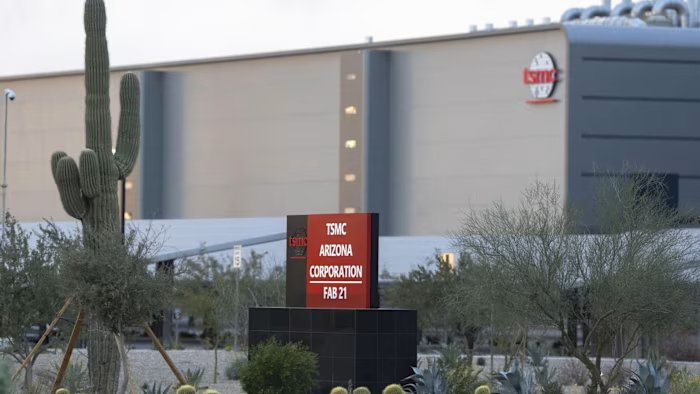
Good morning, happy Friday and welcome back to FirstFT Asia. In today’s newsletter:
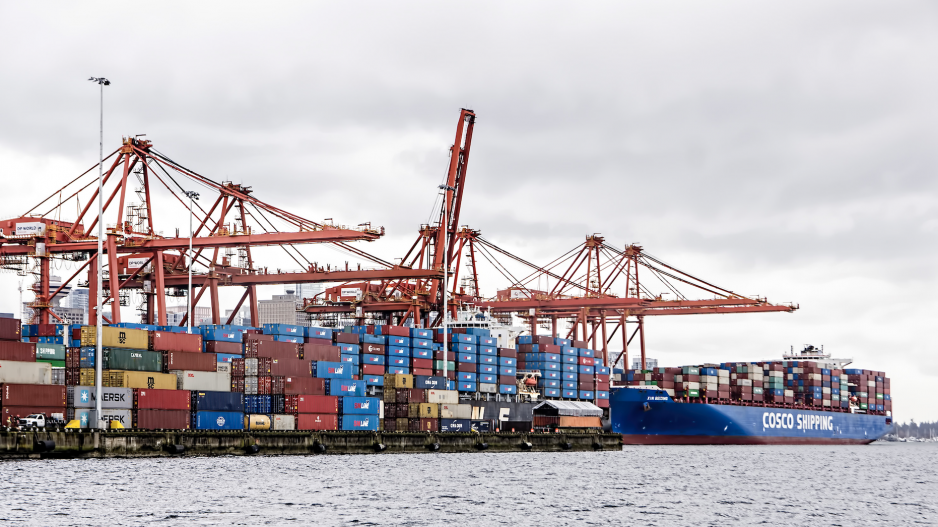
The US has announced a trade agreement with Taiwan that would cut tariffs on its goods to 15 per cent as Washington moves to secure chip supply chains and pushes companies to invest in American manufacturing.
What’s in the deal? Donald Trump’s administration said it would reduce its levies on most goods from Taiwan from 20 per cent to 15 per cent and waive tariffs on generic drugs, aerospace parts and natural resources unavailable in the US. Under the terms of the deal Taiwanese semiconductor and technology companies would make “new, direct investments” in the US totalling $250bn to expand its chip, energy and AI production and innovation capacity.
What it means for the chip industry: The agreement marks a warming of relations between Washington and Taipei after the White House last year threatened an unprecedented 100 per cent tariff on semiconductors unless foreign companies invested in US manufacturing. The deal also sets out quotas for tariff-free imports of chips from Taiwan, where most of the world’s most advanced semiconductors are made by Taiwan Semiconductor Manufacturing Company. Read more about the trade agreement.
-
TSMC: The Taiwanese chipmaker has said it will steeply increase capital spending over the next three years to feed sustained demand for AI chips.
-
More tech news: Trump announced new tariffs on Nvidia and AMD as part of a novel scheme to enact a deal with the technology giants to take a 25 per cent cut of sales of their AI processors to China.
Here’s what else we’re keeping tabs on today and over the weekend:
-
Economic data: Malaysia publishes advance estimate of fourth-quarter GDP. Singapore releases non-oil domestic exports data for December.
-
Diplomacy: Canada’s Prime Minister Mark Carney meets Chinese leader Xi Jinping in Beijing. On Saturday, Giorgia Meloni begins a three-day state visit to South Korea, the first by an Italian leader in 19 years.
-
Results: Reliance Industries and Tech Mahindra report earnings.
-
Australian Open: The first tennis Grand Slam of the year begins on Sunday with first-round matches.
How well did you keep up with the news this week? Take our quiz.
Five more top stories
1. Two of Japan’s largest opposition parties have announced plans to form a new centrist political bloc, raising the risks for Prime Minister Sanae Takaichi as she prepares to call a snap general election for next month. However, one expert said the alliance between the Constitutional Democratic party of Japan and the Komeito party had been “formed out of desperation”. Read the full story.
2. Intense diplomatic efforts to dissuade Donald Trump from striking Iran have de-escalated tensions in the Gulf, according to three people close to governments in the region. Efforts included communication between Tehran and the US administration, which officials hope could develop into further talks in the coming days. “Things have de-escalated for now,” one Arab official said.
-
Energy markets: Oil prices fell more than 4 per cent yesterday as traders dialled back their bets on US military action against Iran, one of the world’s major crude producers.
3. India’s top delivery companies have started to drop promises of 10-minute service after the government warned them that expectations of speed were jeopardising safety in an industry that employs millions. Eternal’s Blinkit platform on Tuesday changed its tagline to “30,000+ products delivered at your doorstep”, while Swiggy has dropped its pledge.
4. Goldman Sachs and Morgan Stanley reported bumper earnings for the final quarter of 2025, capping Wall Street’s best year for investment banking in four years. Goldman chief executive David Solomon said the bank had its largest backlog of deals since the pandemic, as companies seek to capitalise on looser US regulations.
5. US Treasury secretary Scott Bessent has criticised weakness in the Korean won, saying its depreciation is “not in line” with the country’s “strong economic fundamentals”. Here’s how analysts reacted to Bessent’s intervention.
News in-depth

Apple is sitting out the costly race to build AI models and infrastructure, instead becoming a potential kingmaker among tech rivals seeking to dominate the new industry. This week, the Silicon Valley group announced its most consequential move in AI so far through a deal to use Google’s Gemini models to power features for the iPhone. The new alliance is a blow to OpenAI, and emblematic of Apple’s cautious approach to AI spending.
We’re also reading . . .
-
Drumstick diplomacy: If Tokyo can’t rely on Washington, forging pragmatic new alliances with former foes increasingly makes sense, writes Leo Lewis.
-
Aircraft manufacturing: Aerospace companies are racing to build the next generation of jet engines to help meet demands for lower fuel consumption.
-
Iran’s protests: Iranians have not become monarchists — they are seeking anyone who can replace a despotic regime, writes Christopher de Bellaigue.
Graphic of the day
More than 100 coal-fired power station generator units are set to start supplying electricity worldwide in 2026, with most opening in China. The push to develop projects using the fossil fuel comes even as the country installs huge amounts of wind and solar power.

Take a break from the news . . .
Wikipedia marked its 25th anniversary yesterday. Can the website — perhaps the largest compendium of human knowledge ever created — survive given the myriad challenges from regulators, AI, the far right and Elon Musk?