dailynewsnblog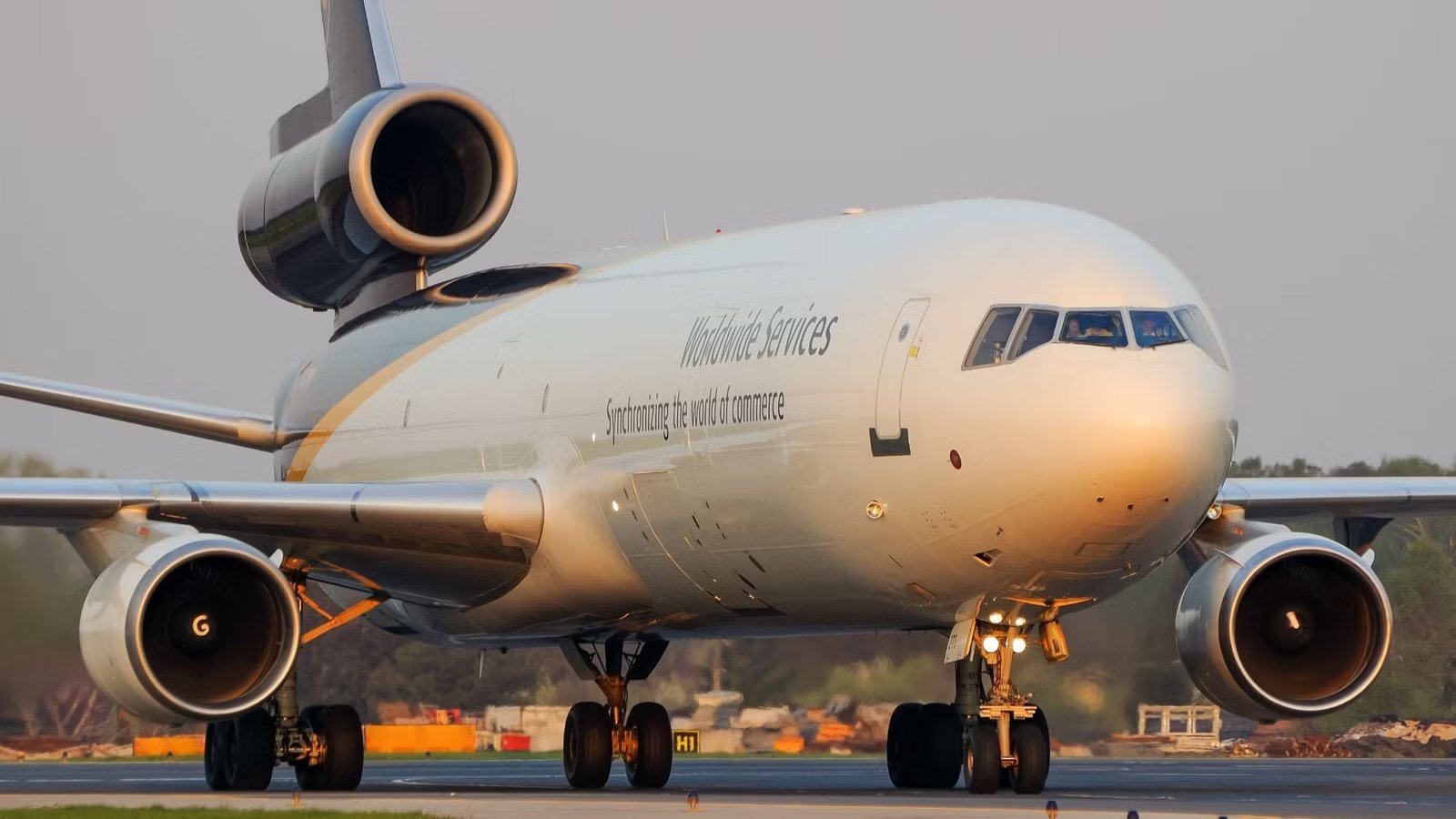
The NTSB has announced an update to its investigation of the November crash of UPS Flight 2976. CNN correspondent Pete Muntean has reported on X on January 14 that the NTSB has identified the exact part that caused the MD-11’s left engine to separate from the wing, causing a fire and potentially causing shrapnel to enter the aircraft’s tail-mounted engine.
This small component, measured at only three inches (7.62 cm), is a critical part of an engine mount bearing, and was initially flagged by Boeing nearly 15 years ago. The crash of UPS Flight 2976 is one of the most unusual accidents to occur in recent aviation history. The McDonnell Douglas MD-11 operating the flight was making a routine departure from Louisville when its left engine and pylon assembly detached from the wing, causing a fire to erupt and the aircraft to crash.
New Information On UPS Flight 2976

On January 14, 2026, the NTSB released an investigative update on the cause of the crash of UPS Flight 2976 on November 4, 2025. It was found that a three-inch (7.62-cm) mount bearing was the point of failure. There are two mount bearings located in the aircraft’s pylons. It was found that the housing for the aft mount bearing on the pylon for the number one engine (on the left side) had failed.
The two lugs that house the bearing assembly, which are typically bolted together, were found to have fractured, while the spherical bearing race was found fractured into a forward and aft section. The damaged components were found to have evidence of fatigue cracking, which would have developed over time. On November 4, the pieces had been damaged enough that the pylon and engine assembly detached from the wing.
 Boeing (which merged with McDonnell Douglas in 1997) had known about issues with the MD-11’s pylon bearings, and a service bulletin was issued by the FAA after four previous incidents related to the pylon bearings. The service bulletin includes five-year inspections and recommendations for the parts to be replaced with a newer design, but does not require compliance.
The Impact Of The New Findings

Boeing had known about the potential for pylon bearing failures on the MD-11 and took action with the FAA after multiple bearing failures were reported. The two parties had issued a service bulletin, which generally does not require full compliance. While a service bulletin often precedes a mandatory airworthiness directive, none was issued for this problem.
N259UP, the MD-11 involved in the crash, did not have the new bearing design installed, and it remains to be seen if  UPS Airlines had performed the procedure on any of its MD-11s. In addition, investigators will need to examine why Boeing had determined that there was no safety risk from this issue and why mandatory action was not required for nearly 15 years.
The NTSB will also focus on UPS Airlines’ maintenance procedures, as the aircraft had previously undergone a visual inspection of its left pylon in 2021, and was not yet due for a more rigorous inspection of the pylon’s mount lugs. The NTSB will need to investigate whether N259UP had passed all inspections and determine why the fatigue cracking had not been spotted by maintenance personnel.

FedEx Expects MD-11 Fleet To Return Soon Due To Quick Inspections
A vote of confidence in the McDonnell Douglas MD-11F.
How This Will Affect MD-11 Operators

In the wake of the crash, the FAA issued an emergency airworthiness directive that effectively grounded all US-registered MD-11s while awaiting corrective action. As no corrective action was explicitly stated, this essentially grounded the fleet indefinitely. Many of these aircraft are well past 30 years old, but airlines aren’t preparing to get rid of them just yet.
Fedex Express has been the most vocal about expecting its MD-11 fleet to reenter service soon, and the findings do not indicate that a large, expensive redesign to the pylons is necessary. Any repairs or designs to the mount bearings would be significantly cheaper and quicker, so once official action is issued, these planes will likely be back in service until they finally age out.