dailynewsnblog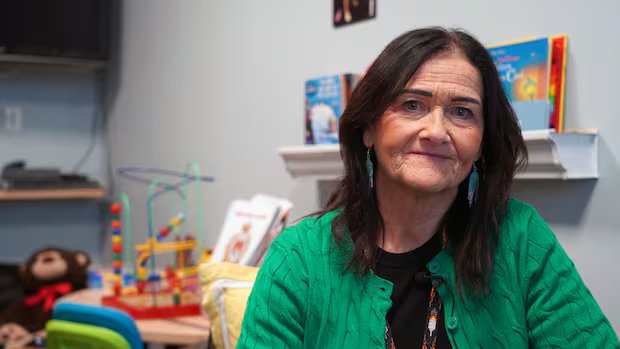

Listen to this article
Estimated 4 minutes
The audio version of this article is generated by AI-based technology. Mispronunciations can occur. We are working with our partners to continually review and improve the results.
At least 75 per cent of human trafficking survivors referred to Victim Services of Kingston and Frontenac had already received some sort of support from the organization, according to staff.
It’s a startling statistic, said executive director Paula Laughlin, and a wakeup call.
“This led to us wondering why … the same individuals are coming back time and time again for supports, and why they were experiencing re-traumatization so often,” she said.
Her team quickly realized that while helping people in a moment of crisis is crucial, their long-term needs must be met as well.
That insight was the spark that led to EMBER, an empowerment-based response created by the local victims services team and launched in September.
“If you do not put wrap-around supports in place, there will be a trafficker there to fill the gap that you leave,” said Indigenous health nurse Anne Marie Batten.
“Our motivating factor is really to … cover every gap, to really allow them to heal and move forward.”
Numbers rising, ages dropping
More than 200 individuals who identified as victims of human trafficking passed through the victims services office at Kingston Police headquarters last year.
Of those, about 70 per cent were Indigenous and a high percentage had some kind of intellectual disability, making them even more vulnerable, according to the organization.
Kingston has become a popular stop for traffickers along the Highway 401 corridor between Toronto and Quebec, said Annette Cadieux, who leads the regional human trafficking response for the team.

“Numbers are climbing because it’s … a hub now where individuals are kind of doing layovers, similar to flying,” she explained.
Despite the rising rates, most people in the community don’t know — or don’t want to know — just how common trafficking is, Cadieux added.
That’s concerning, especially since the victims seem to be getting younger.
“It can start as young as 10,” she said.

Between 2014 and 2024, police in Canada received 5,070 reports of human trafficking, according to data released last month by Statistics Canada.
Of those, 39 per cent involved multiple violations, mostly related to the sex trade and physical assault, and 93 per cent of the victims were female, two-thirds of them girls and women under 25.
While Cadieux’s focus is on helping people in crisis by building rapport and providing immediate support, she and the rest of the team realized that many victims seemed stuck in a cycle they couldn’t escape.
She stressed they’ll never judge someone for finding themselves back in a bad situation, but the team believes EMBER will give survivors something to look forward to and a chance to break free.
A safety net and ‘soft place to land’
Batten, the Indigenous health nurse, said recidivism is to be expected given the vulnerability of those singled out by traffickers.
“People go back because they don’t have a place to live and they don’t have safe support,” she said, adding that’s why EMBER is so important.
“Providing a safety net, just a soft place for people to land, is really what’s important.”
The team is now searching for others in the community who can help victims resume their lives by acting as mentors to help them gain practical knowledge that will give them more independence.

They describe EMBER as a way to “build a community within a community,” and say they plan to provide a training session this spring.
Batten said helping someone who’s traumatized gain the skills they need to take control of their own lives comes with its own rewards.
“It is daunting, but when you see the shift in people, and you really see growth and healing, it really can be empowering.”