dailynewsnblog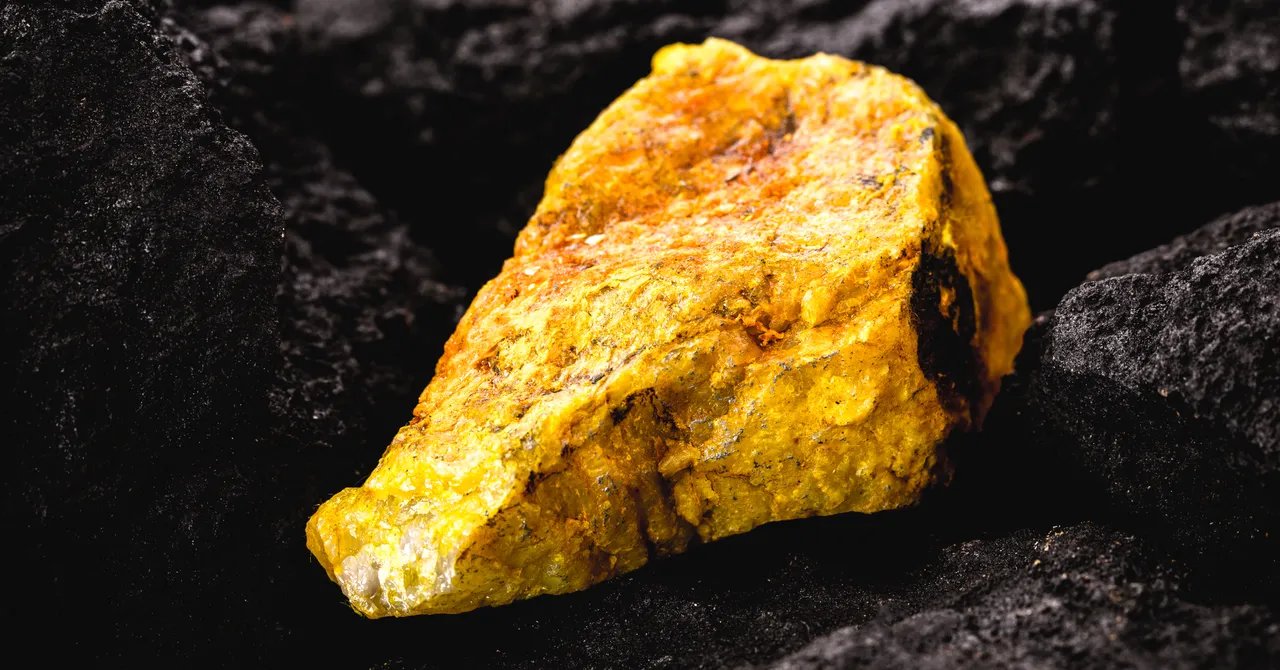
“This project will create jobs, spur local innovation, and advance American leadership in energy technology,” Urvi Parekh, head of global energy at Meta, said in a statement. “By investing in baseload nuclear energy, we’re helping build a resilient and sustainable future for our communities.”
It’s not unusual for utilities to negotiate long-term contracts for fuel for reactors. But this is the first known incident where a hyperscaler is purchasing the fuel that will generate the electrons it plans to buy, says Koroush Shirvan, a researcher at the Massachusetts Institute of Technology.
“The Oklo model that they have advertised is that they build, own, and operate,” says Shirvan. “But I’m trying to think of any other customers who provide fuel other than the U.S. government. I can’t think of any.”
Oklo emerged in the past year as the poster child for a possible revolution in the US on how nuclear plants are built. Until recently, the US hadn’t started and completed any new reactors in a generation. By the time the only new machines came online at a Southern Company power plant in northern Georgia in 2023 and 2024—a pair of 1,100-megawatt Westinghouse AP1000s, the leading design for a traditional reactor in the US—the project was billions of dollars over budget and more than half a decade late. But the second unit came in roughly 30 percent cheaper than the first, a sign of the efficiencies gained by repeating the same design.
To fix this problem, a growing faction in the nuclear industry proposed shrinking the size of reactors, so that building a 1,000-megawatt plant would require constructing multiple reactors of the same size, ultimately bringing down the cost. Many of those companies, including NuScale Power and GE Vernova-Hitachi Nuclear Energy, focused on building shrunken-down versions of the water-cooled reactors that make up all of America’s fleet of 94 units. But Oklo and rivals such as X-energy, Google-backed Kairos Power, and Aalo Atomics instead looked for a totally clean slate, seeking to commercialize experimental reactor models that use coolants such as sodium, molten salt, or high-temperature gas rather than water.
That kind of design required a different kind of fuel like HALEU, one that could burn up more of the energy locked in the uranium than traditional reactors could. The trouble was that the only commercial vendors for HALEU were in Russia and China. The Meta deal will allow Oklo to finance production of the fuel it needs as enrichers race to build the infrastructure to generate HALEU domestically.
The agreement solves a key challenge Oklo faced, but not the only one. The company has been a darling of retail investors since going public via a SPAC merger with a blank-check firm in May 2024, soaring to a market capitalization worth tens of billions of dollars last year as traders looked to bet on the future of data centers powered by atomic energy. But Oklo has yet to generate any real revenues, the company’s Securities and Exchange Commission filings show, and it hasn’t resubmitted its application to the Nuclear Regulatory Commission. In October, an anonymous former NRC official who oversaw the last attempt at gaining approval in 2022 told Bloomberg Business that the company “is probably the worst applicant the NRC has ever had.” Oklo has, in turn, leveled fierce criticisms against the NRC for standing in the way of new technologies and said it plans to resubmit its application soon.
Still, the Meta deal shows “we’re finally moving into a situation where we address some of the fundamental problems,” said Chris Gadomski, the lead nuclear analyst at the consultancy BloombergNEF.
“It’s about time,” he said. “Either way, they’re a company to pay attention to.”