dailynewsnblog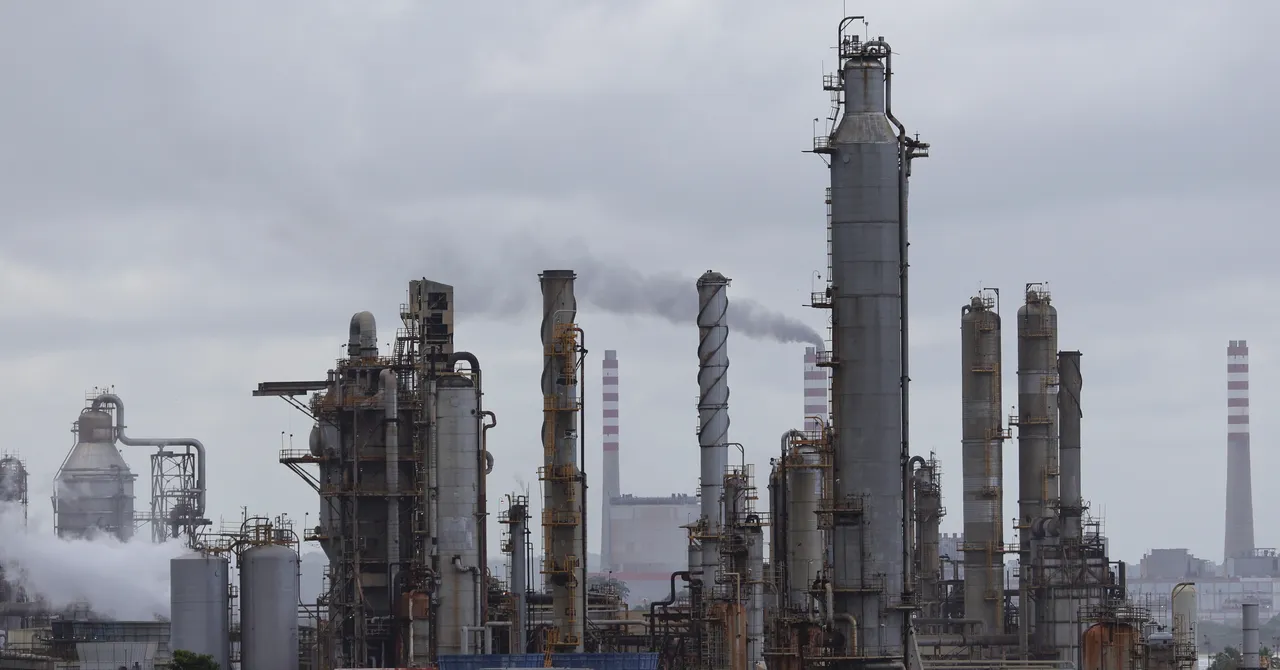
President Donald Trump has made it clear: His vision for Venezuela’s future involves the US profiting from its oil.
“We’re going to have our very large United States oil companies—the biggest anywhere in the world—go in, spend billions of dollars, fix the badly broken infrastructure, the oil infrastructure,” the president told reporters at a news conference Saturday, following the shocking capture of Venezuelan president Nicolás Maduro and his wife.
But experts caution that a number of realities—including international oil prices and longer-term questions of stability in the country—are likely to make this oil revolution much harder to execute than Trump seems to think.
“The disconnect between the Trump administration and what’s really going on in the oil world, and what American companies want, is huge,” says Lorne Stockman, an analyst with Oil Change International, a clean energy and fossil fuels research and advocacy organization.
Venezuela sits on some of the largest oil reserves in the world. But production of oil there has plummeted since the mid 1990s, after President Hugo Chávez nationalized much of the industry. The country was producing just 1.3 million barrels of oil each day in 2018, down from a high of more than 3 million barrels each day in the late 1990s. (The US, the top producer of crude oil in the world, produced an average of 21.7 million barrels each day in 2023.) Sanctions placed on Venezuela during the first Trump administration, meanwhile, have driven production even further down.
Trump has repeatedly implied that freeing up all that oil and increasing production would be a boon for the oil and gas industry—and that he expects American oil companies to take the lead. This kind of thinking—a natural offshoot of his “drill, baby, drill” philosophy—is typical for the president. One of Trump’s main critiques of the Iraq war, which he first voiced years before he ran for office, was that the US did not “take the oil” from the region to “reimburse ourselves” for the war.
The president views energy geopolitics “almost like the world is a Settlers of Catan board—you kidnap the president of Venezuela and, ipso facto, you now control all the oil,” says Rory Johnston, a Canadian oil market researcher. “I do think he legitimately, to a degree, believes that. It’s not true, but I think that’s an important frame for how he’s justifying and driving the momentum of his policy.”