dailynewsnblog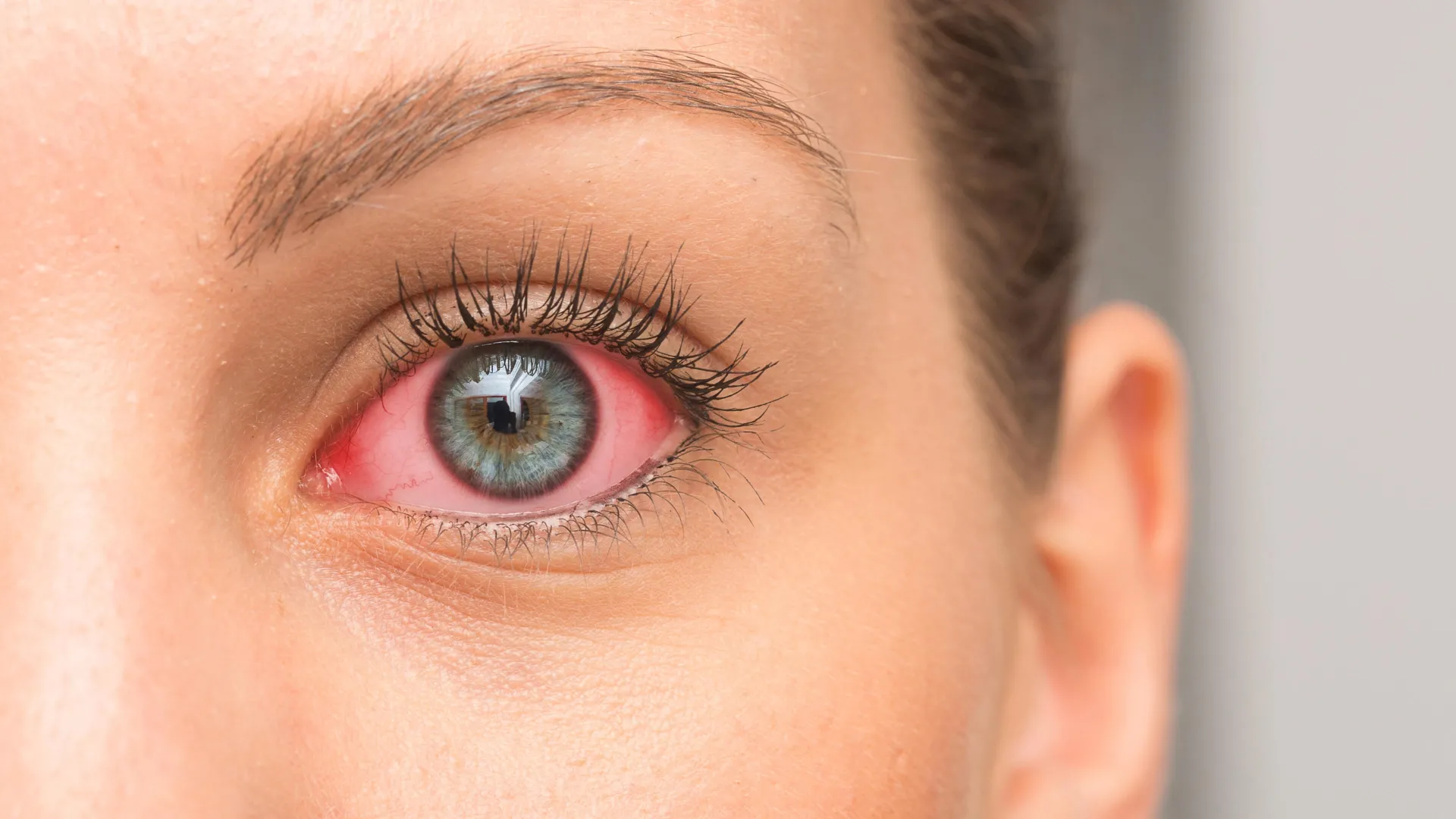
An estimated 5 to 15 percent of people experience ongoing problems with dry eyes. Common symptoms include redness, a stinging or burning feeling, and tired, uncomfortable eyes that can interfere with daily activities like reading or using screens. This condition, known as dry eye disease (DED), develops when the tear glands do not produce enough tears or when the tears lack the right balance of components needed to keep the eye moist and protected. Several factors can contribute to this problem, including allergies, autoimmune disorders, hormonal changes, and the natural aging process. Without proper treatment, dry eye disease can raise the risk of eye infections and cause small scratches or damage to the surface of the eye, which over time may lead to impaired vision.
Tears do more than keep the eyes wet. They also wash away debris, deliver nutrients, and help protect against bacteria and other pathogens. For tear glands to function properly, the cells inside them must stay healthy and well organized. Researchers suspect that this balance is disrupted in people with dry eye disease, which can explain why tear production and quality decline.
Autophagy A Key Cellular Cleanup Process
One process believed to be involved is autophagy, a natural system cells use to remove damaged proteins and worn out components from their interior. Autophagy acts like a recycling and cleanup program, helping cells stay functional over time. In people with dry eye disease, this process appears to be impaired within the tear glands, potentially leading to weaker gland function and reduced tear output.
Growing Human Tear Glands in the Lab
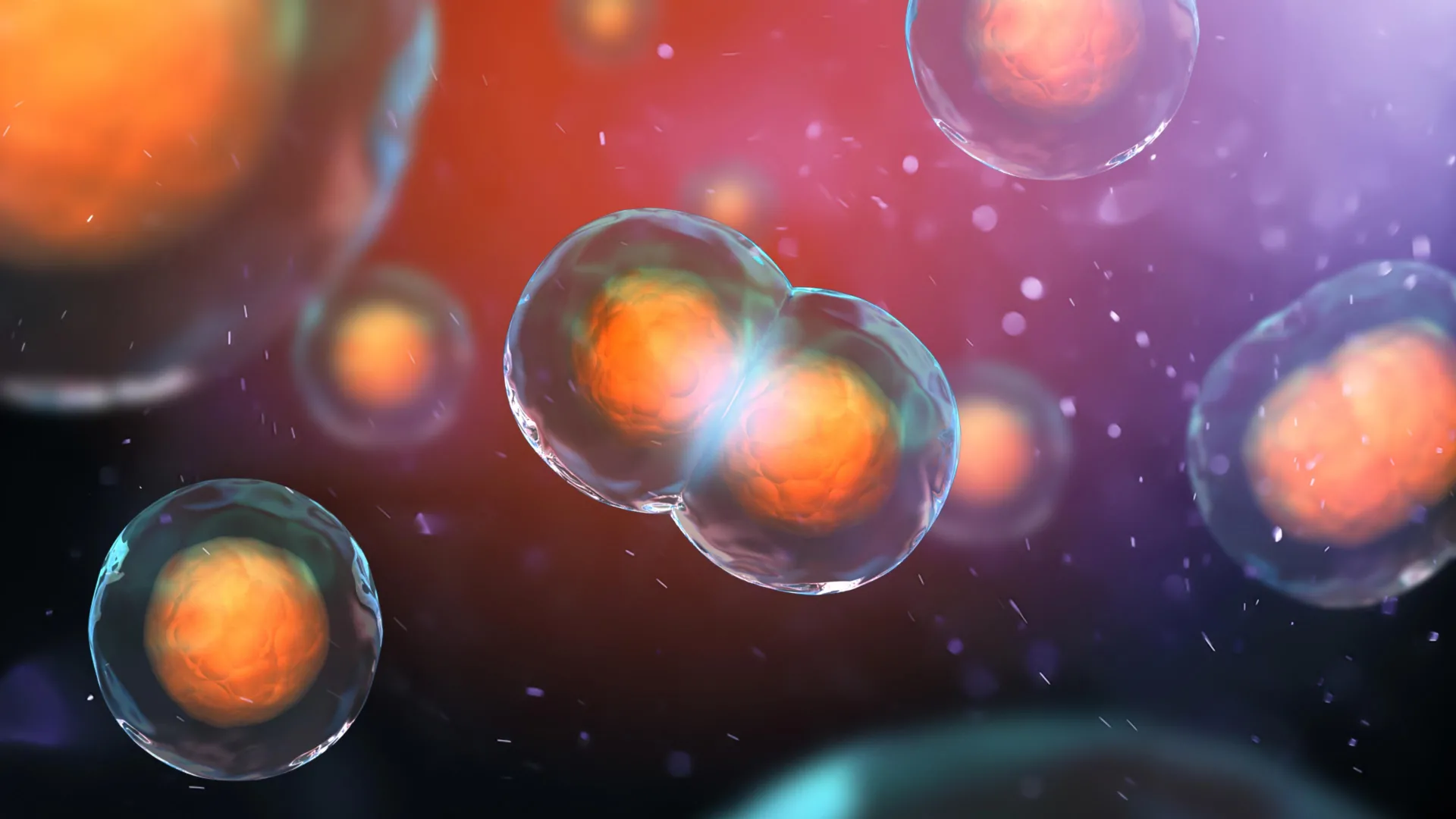
To better understand how dry eye disease is linked to autophagy and to explore possible new treatments, Sovan Sarkar and his team at the University of Birmingham in the UK created tear gland organoids from stem cells. Organoids are three dimensional lab grown structures that closely resemble real human organs in both structure and function. This research was recently published in Stem Cell Reports.
The lab grown tear glands contained all the major cell types found in natural tear glands and were able to produce tear proteins needed to lubricate the eye and help prevent infections. This made the organoids a powerful tool for studying how tear glands work under normal and diseased conditions.
What Happens When Cellular Cleanup Fails
When the researchers used a genetic tool to shut down autophagy in the organoids, the effects were clear. The normal mix of cells within the tear glands became disrupted, the release of tear proteins dropped significantly, and more cells began to die. These changes closely mirror what happens in dry eye disease, strengthening the idea that faulty autophagy plays a central role.
The team also tested whether certain compounds could reduce the damage. Treatments with nicotinamide mononucleotide (NMN) or melatonin improved cell survival and helped restore tear protein production in the autophagy-deficient organoids. These results suggest that targeting cellular health could become a future strategy for treating dry eye disease.
Why This Discovery Matters
“Autophagy is essential for proper tissue development and organ function. Here, we provide genetic evidence that autophagy is required for glandular tissue development by using autophagy-deficient human embryonic stem cells to generate tear glands with developmental and functional defects,” Sovan Sarker said.
This new human stem cell based tear gland model offers researchers an accessible way to study tear gland biology in detail. It also opens the door to testing how different treatments might restore tear production and protect eye health, potentially leading to improved options for preventing or treating dry eye disease.