dailynewsnblog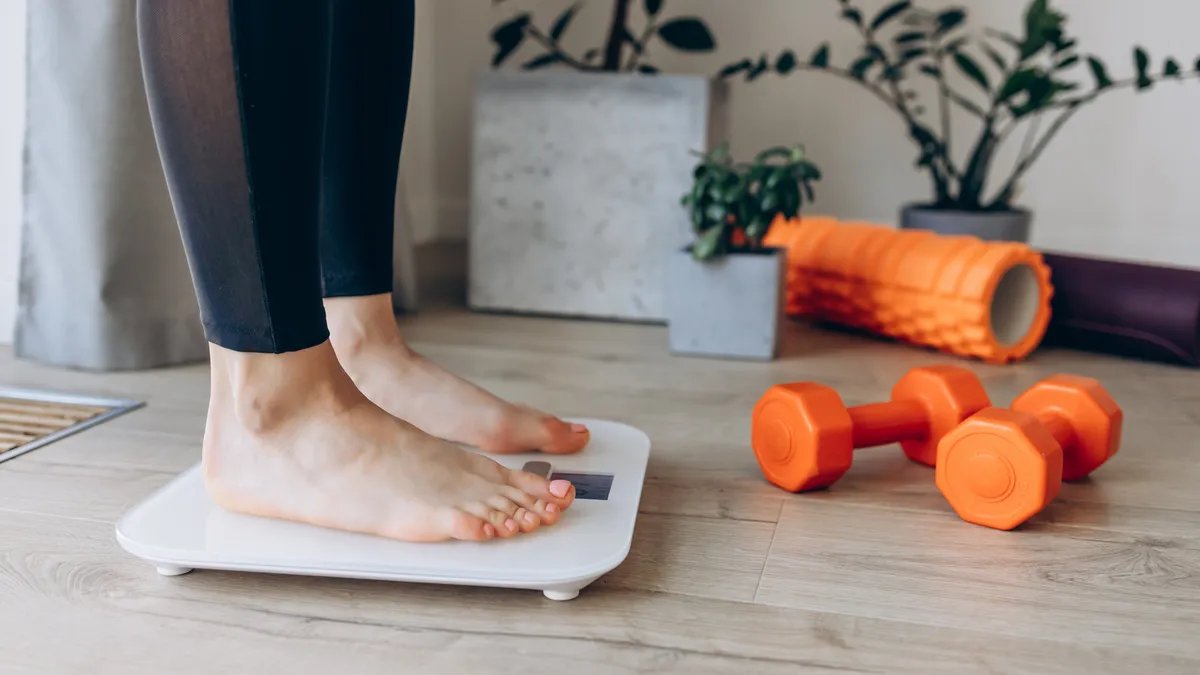
If your New Year’s resolution for 2026 involves using a traditional scale or smart scale to monitor your weight, then you’ll want to ensure you’re weighing yourself at the most advantageous time of day. That’s right — though it’s normal for your weight to fluctuate, there is a best time of day to weigh yourself for the most accurate results, and also times when you may want to avoid stepping on the scale.
Before making any New Year’s resolution related to weight, consult your doctor first to ensure your goal aligns with their recommendations. It’s also important to note that the number on your scale isn’t always the best indicator of your health or fitness.
Content warning: This article includes content that could be potentially triggering to those with eating disorders. If you or someone you know has an eating disorder, you can contact the National Alliance for Eating Disorders at 1-866-662-1235 for free. Additional resources can be found through the Eating Disorder Hope community. If there is an emergency, call 911.
When is the best time to weigh yourself?
You’ll get the most accurate reading from your scale if you weigh yourself first thing in the morning. Do it after using the restroom and before eating breakfast or drinking any water. According to experts, morning is the best time because you’ve given your body the chance to properly digest everything you ate and drank the previous day, leaving your stomach relatively empty.
When is the worst time to weigh yourself?
There is no “worst” time to weigh yourself, but you may want to avoid weighing after activities that could throw off your weight. This might be something like eating a large meal or drinking a large amount of liquid, which can, in turn, cause you to “weigh more” temporarily.
You may also want to avoid weighing yourself after exercise because you will weigh less due to the water lost through sweating, so time your weigh-in at a different time than your workout time for the day.
If you experience menstruation, you may want to avoid weighing yourself in the days leading up to your period. That is because your hormones can cause weight fluctuations that would affect the number on the scale. You should also note that it is normal for your weight to fluctuate throughout the day and from one day to the next. If you’re concerned about sudden weight changes, consult your doctor as soon as possible.
More tips on getting an accurate scale reading
Besides weighing yourself at an ideal time of day, there are more ways to ensure you regularly get an accurate reading from your scale, which is especially important when tracking weight loss or gain.
- Weigh yourself once a week at the same time of day.
- Store and use your weight scale on a solid, flat surface.
- Stand barefoot on your scale, keeping your weight distributed evenly between both feet.
- Wear as little clothing as possible when you weigh yourself. Whatever you decide, be consistent each time you weigh yourself for more accurate results.
When the number on the scale becomes an obsession, it might be time to ditch the scale.
When to break up with your scale
Like any unhealthy relationship, you can walk away from weighing yourself if you think it’s negatively impacting your life. Don’t hesitate to ditch your scale if you’re experiencing:
- Negative thoughts triggered by weighing yourself.
- Regular anxiety or sadness after weighing yourself.
- Unsafe or unhealthy habits triggered by weighing yourself.
- An eating disorder, whether you’re developing one, recovering from one or have previously had one.
If you have any concerns or questions, speak with your doctor.