dailynewsnblog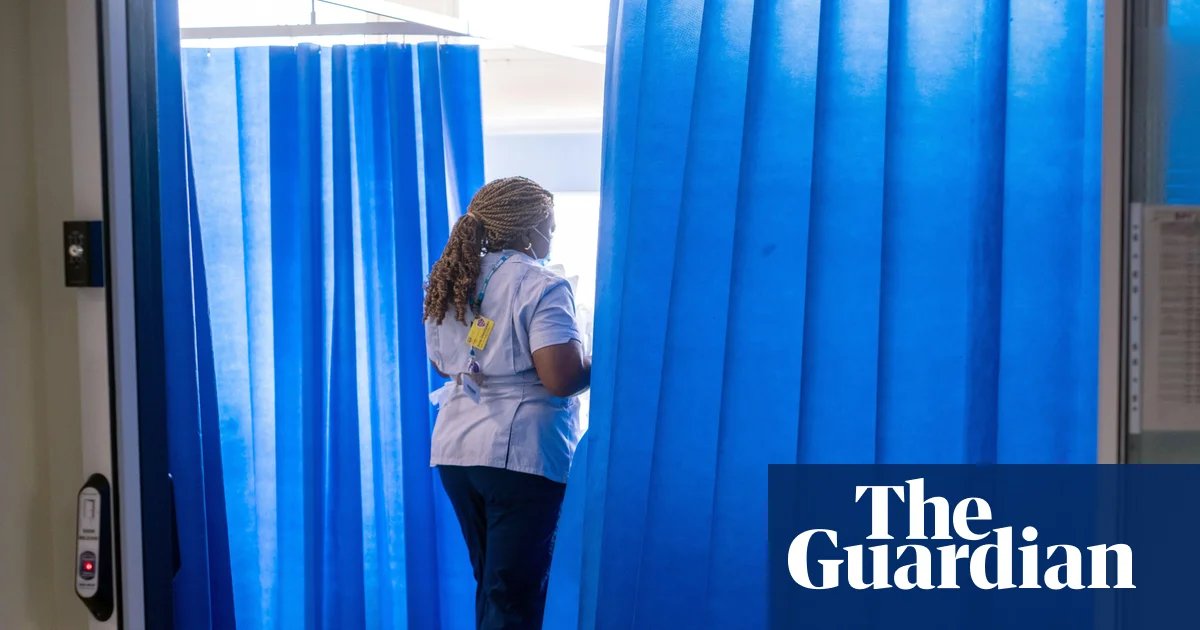
Asian women in England are almost twice as likely to suffer the most severe birth injuries during labour, with many healthcare professionals unaware of this greater risk, analysis has found.
Third- and fourth-degree tears, also known as obstetric anal sphincter injury (OASI), are the most severe forms of vaginal tearing during childbirth.
Up to 90% of women experience some tearing during labour, with most of these injuries healing quickly and having a relatively minor impact. A third-degree tear extends into the muscle that controls the anus and a fourth-degree tear extends further into the lining of the anus.
According to Guardian analysis of NHS figures obtained via a freedom of information request, Asian women suffered third- and fourth-degree tears at a rate of 2,831 tears per 100,000 deliveries during 2023-24. This compares with rates of 1,473 per 100,000 for white women and 1,496 per 100,000 for black women.
Such injuries can result in life-changing physical and mental harm, including bowel incontinence, post-traumatic stress disorder and chronic pain.
Geeta Nayar, a senior associate at Irwin Mitchell and advocate for the MASIC Foundation, which supports women who have suffered severe injuries during childbirth, and the Birth Trauma Association, said the reasons Asian women were at a greater risk of severe tearing during childbirth were “multifactorial – from anatomical and physiological differences to structural systemic issues”.
Lia Brigante, a professional policy adviser at the Royal College of Midwives, said that although women of Asian ethnicity had been shown in several western-based studies to face a higher risk of perineal trauma, “this knowledge isn’t consistently reaching frontline staff, as many women tell us their midwife or doctor seemed unaware they were at higher risk”.
Brigante said: “The reasons for this disparity are complex and remain unexplained. Difference in care, rates of instrumental births, nutrition and inequalities in how women’s needs are recognised during labour may all contribute. However, there is not enough evidence to fully understand why this gap exists.”
She added: “Every woman deserves personalised care and honest conversations about possible risks and options available. Asian women must be supported with evidence-based practices and feel heard and respected throughout labour and birth.”
Nayar, who is south Asian and experienced a third-degree tear when giving birth to her daughter that left her with permanent injuries, added that the focus needed to be on what could be positively changed to improve outcomes. She said: “Adequate information about individual risks, including the increased risk of OASI, needs to be given to women antenatally in a culturally and linguistically acceptable manner.”
The analysis comes as previous research found the number of mothers sustaining a third- or fourth-degree perineal tear while delivering their baby had risen from 25 in 1,000 in June 2020 to 29 in 1,000 in June this year – a 16% increase.
Chloe Oliver, the chief executive of MASIC, said: “At MASIC we see the impact of OASI birth injuries every day, and the lifelong emotional and physical consequences they carry.”
She added: “One of the major risk factors for sustaining an OASI is being of south Asian heritage, but like several other risk factors – such as a forceps delivery, carrying a large baby, older maternal age or short maternal height – so few women are aware of their risk because it’s not routinely discussed in antenatal appointments.
“Urgent improvements in antenatal counselling are needed to inform women of their risks and to allow them to make an informed choice with their healthcare professional on the best and safest delivery for both mum and baby.”
An NHS spokesperson said: “Every woman deserves safe, high-quality, compassionate and equitable maternity care. We remain firmly committed to tackling the disparities that affect Asian women and other communities, ensuring that every mother receives the highest standard of support throughout pregnancy, birth and the postnatal period.”