dailynewsnblog
Temporal lobe epilepsy causes repeated seizures and often interferes with memory and thinking. New research now suggests that this condition is also tied to early aging in certain brain cells. Scientists at Georgetown University Medical Center report that eliminating these aging cells in mice led to fewer seizures, better memory, and protection against epilepsy in some animals. The aging cells were removed using both genetic approaches and drug-based treatments.
The National Institutes of Health (NIH)-funded study was published on December 22 in the journal Annals of Neurology.
A New Approach for Drug Resistant Epilepsy
“A third of individuals living with epilepsy don’t achieve freedom from seizures with current medications.” says senior author Patrick A. Forcelli, Ph.D., professor and chair of Georgetown School of Medicine’s Department of Pharmacology & Physiology and the Jerome H. Fleisch & Marlene L. Cohen Endowed Professor of Pharmacology. “Our hope is that senotherapy, which involves using medications to remove senescent, or aging cells, could potentially minimize the need for surgery and/or improve outcomes after surgery.”
Temporal lobe epilepsy (TLE) can arise from many underlying causes. These include head injuries related to trauma or stroke, infections such as meningitis, brain tumors, abnormal blood vessel structures, and inherited genetic conditions. TLE is the most common form of epilepsy that does not respond well to medication and affects roughly 40% of people with epilepsy.
Aging Support Cells Found in Human Brain Tissue
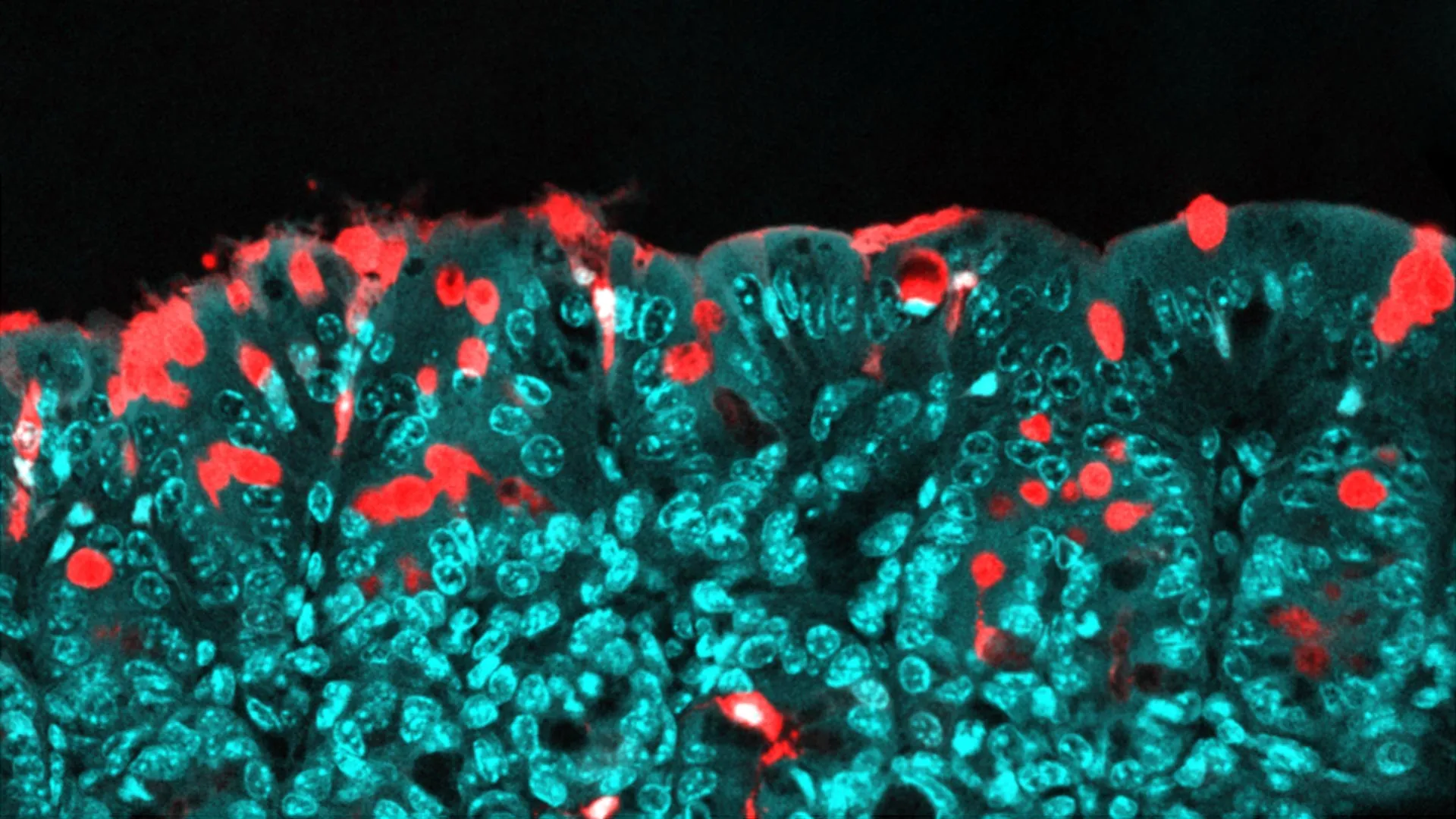
To explore the biology behind TLE, researchers examined donated human brain tissue that had been surgically removed from the temporal lobes of epilepsy patients. When compared with autopsy samples from individuals without epilepsy, the tissue from TLE patients showed a five-fold increase in senescent glial cells. Glial cells help maintain and protect neurons, although they do not generate electrical signals themselves.
Mouse Experiments Show Reduced Seizures and Memory Gains
Based on the findings in human tissue, the team investigated whether a similar buildup of aging cells occurred in a mouse model designed to mimic TLE. Within two weeks after the brain injury that initiated epilepsy in the mice, the researchers detected clear increases in markers of cellular aging at both the gene and protein levels.
When treatments were used to remove the aging cells, the effects were substantial. The number of senescent cells dropped by about 50%. The treated mice performed normally on maze-based memory tests, experienced fewer seizures, and about one-third were completely protected from developing epilepsy.
Repurposed Drugs With Known Safety Profiles
The drug treatment tested in the mice combined dasatinib and quercetin. Dasatinib is a targeted therapy currently used to treat leukemia. Quercetin is a plant flavonoid found in fruits, vegetables, tea, and wine that can act as a powerful antioxidant and have anti-inflammatory properties. This drug combination has been widely used in animal studies to eliminate senescent cells across several disease models.
The researchers selected these drugs in part because both are already being evaluated in early phase clinical trials for other conditions. Forcelli also notes that dasatinib is FDA approved for a form of leukemia, meaning its safety profile is well established. This could allow a faster transition toward clinical testing in people with epilepsy.
Broader Implications for Brain Aging and Disease
The study’s first co-authors Tahiyana Khan, Ph.D. and David J. McFall, both trainees in Forcelli’s lab, note that aging of glial cells has recently been linked to both normal aging and neurodegenerative conditions such as Alzheimer’s disease. This connection is another focus of their ongoing research.
“We have ongoing studies using other repurposed drugs that can impact senescence as well as studies in other rodent models of epilepsy. We would like to understand the critical windows for intervention in epilepsy, and the hope is that these studies will lead to clinically useful treatments,” says Forcelli.
Authors, Disclosures, and Funding
In addition to Forcelli, Khan and McFall, the study authors at Georgetown include Abbas I. Hussain, Logan A. Frayser, Timothy P. Casilli, Meaghan C. Steck, Irene Sanchez-Brualla, Ph.D., Noah M. Kuehn, Michelle Cho, Jacqueline A. Barnes, M.D., Brent T. Harris, M.D., Ph.D., and Stefano Vicini, Ph.D.
Forcelli and his co-authors report having no personal financial interests related to the study.
This research was supported by NIH grants R21NS125552, F99NS129108, T32NS041218, T32GM142520, F30NS143374-01, T32GM144880 and T3GM142520. Forcelli also receives support as the Jerome H. Fleisch & Marlene L. Cohen Endowed Professor of Pharmacology.