dailynewsnblog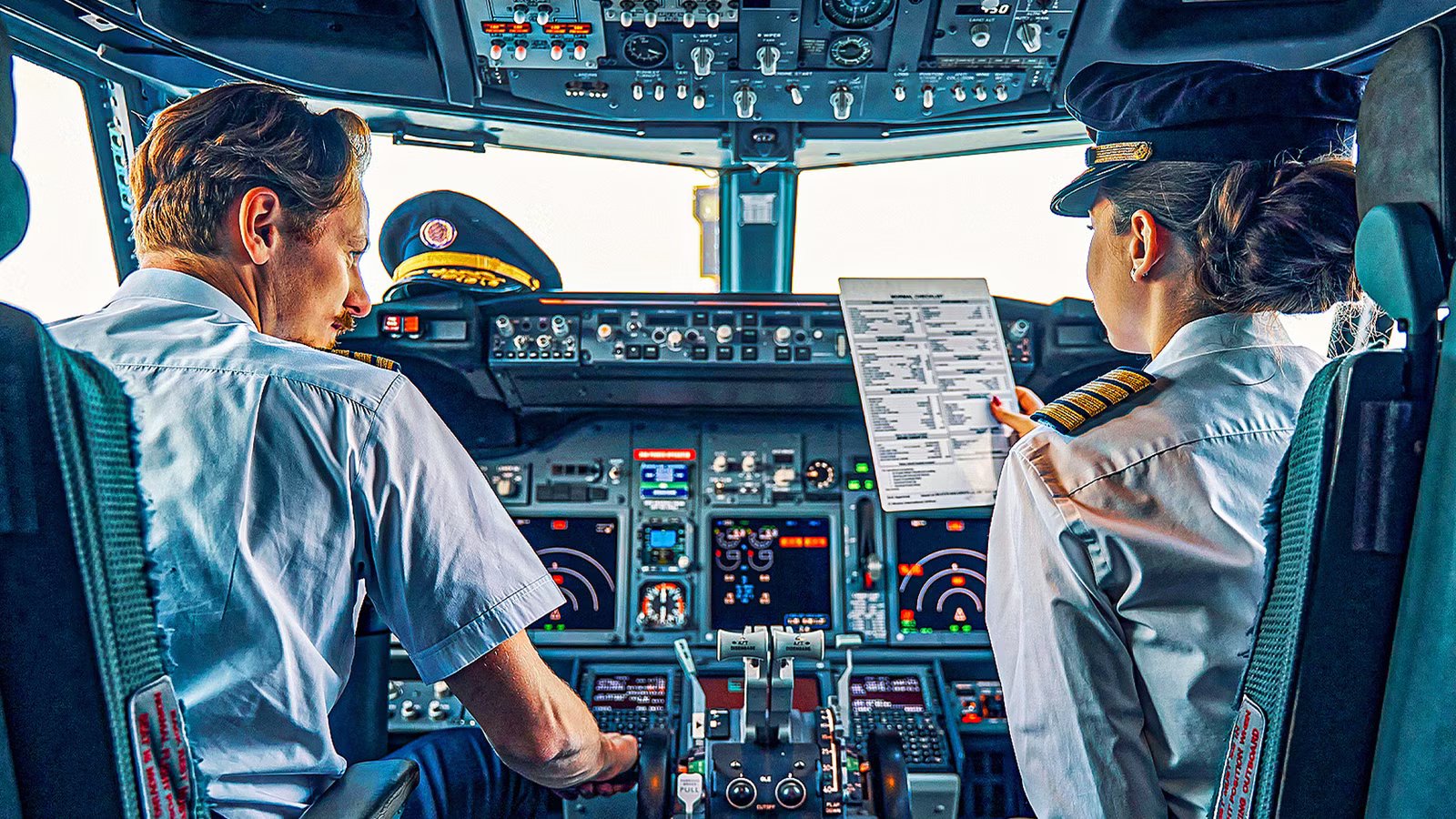
Stepping into the cockpit of a Boeing 737 or Boeing 777, a pilot is greeted by a large central control column and a yoke between their legs. The panels are packed with switches, dials, and circuit breakers, giving a strong sense of mechanical connection. It feels like a cockpit designed for hands-on flying, where the pilot is directly linked to the plane’s controls.
The experience is quite different in an Airbus A320 or Airbus A350. The area in front of the pilot is open, often with a pull-out tray table for meals or paperwork. The main flight control is a small sidestick on the side, and the thrust levers are set in fixed positions, looking more like computer devices than mechanical parts. It’s important to remember that not all  Boeing or Airbus are the same. A 787 is much more digital than an older 737, and early Airbus models are not like the A350. Airlines also make their own changes. Still, the two companies have clear design philosophies, and their main models show how differently they expect pilots to interact with their aircraft.
Who Is Really In Charge: Pilot Or Computer?

The biggest difference between Boeing and Airbus isn’t the shape of the controls. It’s how each company answers a key question: who makes the final decision, the pilot or the computer?
Boeing’s approach puts the pilot in charge. The pilot is always responsible for the safety of the flight. Automation helps, but it’s just a tool. Modern Boeing’s like the 777 and 787 use fly-by-wire, but usually with soft limits. If a pilot gets close to the edge of safe flying, the plane warns them with sounds, lights, or control forces, but doesn’t stop them completely. If the pilot pulls hard enough on the yoke, the plane will respond, based on the idea that in a tough situation, the human might know more than the computer.
Airbus does things differently, focusing on strong protections within a safe flying range. Starting with the A320 in the late 1980s, Airbus aimed to stop pilots from making moves that could cause a loss of control. In normal conditions, the flight computers won’t let the pilot stall the plane, go over g-load limits, or bank too far. No matter how much the sidestick is pulled back, the system won’t let the wing go past a safe angle. The idea is that as long as the pilot stays within these limits, they can fly freely without worrying about losing control.
For Boeing, the pilot is the last line of defense. For Airbus, the flight control laws are designed so that the pilot never gets close to the cliff edge in the first place.
Yokes Vs. Sidesticks: How Pilots “Control” The Airplane

The most visible difference for passengers peeking into the cockpit is the flight control interface.
Boeing uses a traditional control yoke, which is connected between the captain and first officer, either mechanically or electronically. This setup lets both pilots feel each other’s movements. If the first officer turns left, the captain’s yoke moves left too. The captain can see and feel this, creating a silent way to communicate. Both pilots can sense what the other is doing and get a physical feel for the plane’s movements.
Airbus uses separate sidesticks for each pilot. The captain’s stick isn’t connected to the first officer’s. If the first officer pulls back, the captain’s sidestick doesn’t move. There’s nothing in the captain’s view or under their hand to show what the other pilot is doing.
This setup makes the cockpit tidy and open, but it can lead to both pilots giving inputs at the same time. If one pilot pulls up and the other pushes down, the flight computers sometimes just add the inputs together, which can make the plane respond less than either pilot expects. To help with this, Airbus added a priority button on each stick and a sound warning for “dual input.” Still, some pilots who are used to yokes debate whether the lack of a physical link is a good thing.
The sidestick, however, has one major ergonomic advantage: space. Removing the central column opens up legroom and allows for a pull-out tray table in front of each pilot. On long-haul flights, being able to eat, work on a laptop, or complete paperwork on a flat surface instead of balancing items on a knee makes the Airbus cockpit feel more like a modern office and less like a cramped machine bay.
Moving Throttles Vs. Fixed Detents: Managing Power

The differences in feedback continue with the thrust levers.
In most Boeing aircraft, the autothrottle system moves the levers by itself. When the system adds power, the levers move forward; when it cuts power, they move back. A Boeing pilot can keep a hand on the levers during landing and feel these changes without looking. If the levers move back and the engine noise drops, the pilot feels the change right away. This constant movement helps the pilot stay aware of what’s happening.
Airbus, on the other hand, uses mostly fixed thrust levers. After takeoff, the pilot moves the levers to a set position for climbing and leaves them there for most of the flight. The engines keep adjusting power to hold speed, but the levers don’t move. To know what the engines are doing, an Airbus pilot has to watch the flight mode display and engine indicators. The plane still gives lots of information, but it’s visual, not something you feel.
This setup is on purpose. Fixed levers make things simpler and clearly show which mode the system is using, even if they don’t show the exact thrust. Pilots who are used to moving levers have to get used to watching the screen instead of feeling the engines with their hands.
Toggles Vs. Dark Cockpit: How Systems Talk To Pilots

Looking at the overhead panel, you can easily see the difference in how each company designs its systems.
Boeing prefers toggle switches you can feel. They have metal levers, a clear click, and a position you can see. Usually, forward means on and back means off. In an emergency, a Boeing pilot can quickly check the panel and see the state of the plane by looking at the switches. This comes from an older, more mechanical style, where the position of a switch showed what was happening.
Airbus uses the dark cockpit idea with push buttons. If everything is working, the button stays dark. If a pilot turns something off or if there’s a problem, the button lights up in white or amber. The rule is simple: if the cockpit is dark, all is well. Any light means something needs attention.
Both methods have their benefits. Boeing’s setup lets pilots see and feel the switch positions at all times. Airbus keeps the cockpit less cluttered and makes problems stand out right away. For pilots, the main difference is how they scan the panel. In a Boeing, they look at the shape and angle of switches. In an Airbus, they look for lights turning on or off.
EICAS Vs. ECAM: Two Ways To Handle Emergencies

The way each manufacturer expects pilots to manage failures and checklists also diverges.
Boeing uses the engine indicating and crew alerting system, or EICAS. When a fault occurs, such as an engine fire, EICAS displays a message like “ENGINE FIRE R” along with associated status information. The crew then identifies the problem, calls for the appropriate checklist, and either performs memory items or works through the quick reference handbook. EICAS tells the pilots what is wrong; the pilots decide and execute what to do about it.
Airbus uses the electronic centralized aircraft monitoring system, or ECAM. When ECAM finds a problem, it not only shows the issue but also lists step-by-step actions on the screen, like “THR LEVER… IDLE” or “ENG MASTER… OFF.” As each step is done, that line disappears. The system guides the crew through the response so nothing is missed.
In real life, both systems require discipline and training. Boeing’s way expects the crew to pick the right checklist and use it correctly, even under stress. Airbus’s way expects the crew to follow the on-screen steps closely, but also keep an eye on the overall situation. The main goal is the same: help pilots deal with rare, stressful events safely and predictably.
Cranks Vs. Electric Seats: Ergonomics On The Flight Deck

Even the design of the pilot’s seat shows the difference in philosophy.
In many Boeing aircraft, especially older ones like the 737, adjusting the seat is mostly a manual job. Pilots use hand wheels and levers to move the seat up, down, or forward. It’s sturdy and doesn’t need power, but it can be hard work, especially if the pilots are very different in height. The classic sheepskin covers add comfort and make the cockpit feel tough and practical.
Airbus cockpits usually have electric seats. With just a button, the seat moves up, down, forward, or back. It’s easy to get comfortable, and it doesn’t take much effort. The seat feels more like an office chair in a modern workspace than a manual seat in a workshop.
These details might seem small, but on long trips and night flights, they affect how tired the crew gets and how easy daily tasks are. Boeing focuses on simple, reliable mechanics. Airbus puts more value on comfort and ease of use.
What Is The Overall Takeaway?

People sometimes say things like “real pilots fly Boeing” or “Airbus is smarter,” but the reality is more complicated. Both companies have built very safe aircraft that have flown millions of hours in all kinds of conditions.
In general, Boeing designs focus on what pilots can feel and hear: the force on the yoke, the movement of the throttles, the click of a switch, and the sound of the trim wheel. Airbus designs rely more on what pilots see and think, like the flight mode display, cockpit lights, and step-by-step ECAM instructions.
Today’s pilots don’t have to pick a side. They need to adapt to whatever plane they’re flying. Being skilled means knowing what your airplane is telling you, whether it’s a moving lever, a glowing button, or a message on a screen. In the end, the most important safety feature in any cockpit is still the same: a well-trained, alert pilot connecting the machine to the sky.