dailynewsnblog
Final regulations aim to achieve a 75 per cent reduction in oil and gas methane emissions by 2030, and provide companies with two paths to get there.
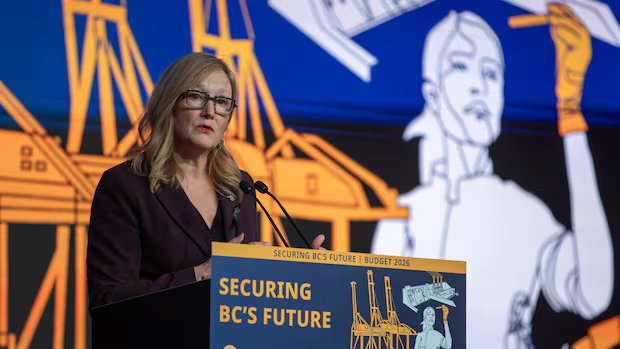
Environment Minister Julie Dabrusin announced final enhanced methane regulations for the oil and gas sector and landfills on Tuesday.
The Carney government had committed to doing this as part of its climate competitiveness strategy in budget 2025.
The enhanced regulations include measures like requiring operators to find and fix methane leaks. It also introduces a specific set of conditions under which venting can occur.
In oil and gas, venting is the intentional release of unburned methane gas directly into the atmosphere, typically for operational and safety reasons.
Methane emissions are responsible for about 30 per cent of the global rise in temperature to date. Given that a molecule of methane can trap more heat, one tonne of methane is equivalent to the impact of about 84 tonnes of carbon dioxide emissions in the atmosphere.
There is an international consensus that targeting methane emissions is one of the fastest, most cost-effective ways to cut pollution, as it is one of the most potent sources of greenhouse gas emissions.
Under Canada’s new regulation, oil and gas operators have two options to comply with stricter methane emissions targets.
They can implement work practices that prohibit venting with exceptions, and commit to having an inspection schedule to find leaks and repair them.
Alternatively, they can design their own approaches to controlling methane, on conditions that they meet the threshold. This would mean continuous monitoring and reporting on methane emissions.
The updated regulations apply to upstream production, processing, and transmission facilities in Canada’s onshore oil and gas sector. This includes centralized production sites, well sites, gas plants, and pipelines. They do not apply to the offshore oil and gas industry or downstream sites.
More to come…